
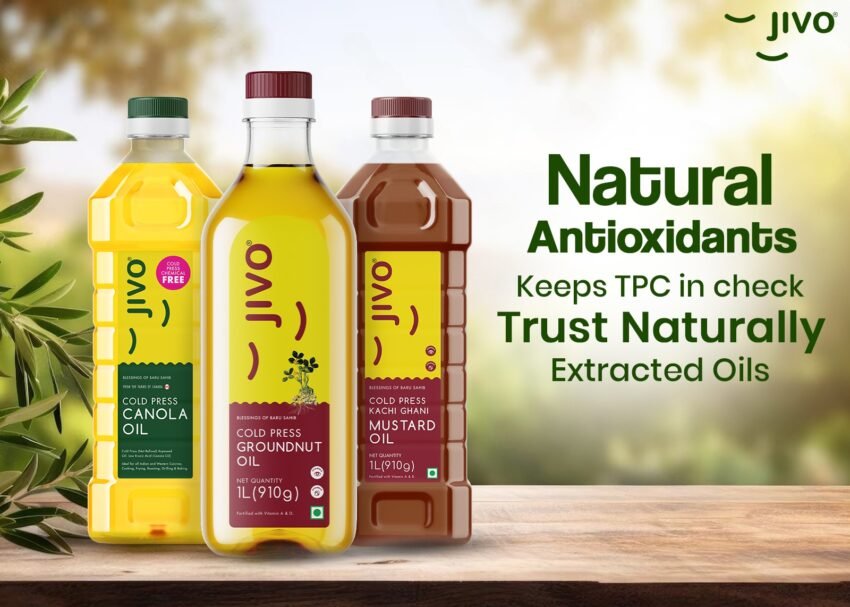
Even the best cooking oils in India, when heated beyond their smoke point, degrade. High-temperature cooking burns out the nutritive content, forming toxic compounds that, when consumed, can impact health adversely. Not only this, reusing cooking oils also deteriorates health. To make it economical, oils used once for frying should be filtered and may be used for curry preparation. It is recommended by the FSSAI that used cooking oils should not be stored for long and must be consumed within a day or two. Repeated heating of cooking oils degrades them, leading to the formation of complex chemical by-products known as Total Polar Compounds, which are generally termed toxic compounds. The FSSAI directs discarding cooking oils that have developed Total Polar Compounds beyond 25%.
What are Total Polar Compounds in Cooking Oils?
Presence of fatty acids in cooking oils itself is not the sole parameter while analysing the quality but encompasses factors like the usage of oil, temperature, moisture, and the food cooked in it. Even the best and healthy cooking oils can degrade due to processes like hydrolysis, oxidation, and polymerization during heating fat at high temperature. The mentioned processes often result in the formation of toxic compounds known as polar compounds. The term ‘Total Polar Compound’ is a reference for measuring the level of degradation in oils used for cooking or frying.
Total Polar Compounds form in cooking oils during high-heat processes like frying, where everyday conditions alter the oil’s molecular structure. Exposure to high temperatures above 180°C makes oil molecules unstable, allowing oxygen from the air to react through oxidation and break down fatty acid chains.
Moisture from food items and water particles enters the oil, causing hydrolysis that splits these chains further into smaller components. At the same time, polymerization occurs as remaining molecules link together, creating heavier, polar substances. These combined reactions—oxidation, hydrolysis, and polymerization—gradually increase TPC levels with each reuse of the cooking oil.
Hydrolysis
Hydrolysis takes place as moisture from food droplets enters the hot oil, reacting to split triglyceride molecules into free fatty acids and glycerol, which accelerates overall oil breakdown and raises TPC levels.
Polymerization
Polymerization happens under prolonged high heat, where damaged oil molecules bond together into larger, viscous chains, altering the oil’s flow and significantly increasing polar compound content with repeated use.
Oxidation
Oxidation in cooking oil begins when oxygen from the air mixes with hot oil during frying, slowly breaking the fatty acid chains into smaller, reactive fragments that contribute to Total Polar Compounds build-up.
Also Read: Trans Fat Crackdown: Transforming Cooking Oils for Better Health
What Causes TPC Levels to Rise in Cooking Oils?
Total Polar Compounds increase gradually in cooking oils through common frying practices that lead to molecular breakdown over repeated use. Reusing oil multiple times contributes significantly, as each heating cycle adds to the cumulative damage from previous exposures, raising TPC steadily.
High frying temperatures above 180°C accelerate the process by destabilizing oil molecules and promoting faster chemical reactions. Exposure to air and light allows oxygen to interact with the oil, enhancing oxidation that builds up with time.
Frying foods with high moisture content, such as vegetables, introduces water that drives hydrolysis and further degrades the oil. Oils containing high levels of polyunsaturated fats, like soybean or sunflower oil, experience quicker rises in TPC due to their more reactive molecular structure compared to more stable fats.
Health Risks of High Total Polar Compounds in Reused Cooking Oils
High Total Polar Compounds (TPC) in reused cooking oils raise concerns about potential health effects, as noted in various scientific studies on oil degradation during frying. Research links elevated TPC levels to cardiovascular risks, such as hypertension and altered lipid metabolism that may contribute to heart issues over time.
Studies also indicate liver and kidney strain, with animal models showing fat buildup in the liver, enlarged kidneys, and disrupted metabolic functions from prolonged exposure to polar compounds in heated oils.
Additional findings highlight body-wide inflammation, oxidative stress that damages cells, and related issues like anaemia or growth impacts, emphasizing why monitoring TPC matters for safety.
How to Measure Total Polar Compounds in Cooking Oils
In Indian kitchens and restaurants, measuring Total Polar Compounds (TPC) ensures cooking oils remain safe for reuse under FSSAI’s strict 25% limit, helping avoid degraded oil in everyday frying.
Reliable Lab Methods for TPC Testing
Laboratories across India rely on column chromatography for precise TPC measurement: they dissolve the oil sample in a solvent, pass it through a silica gel column to separate polar compounds from the non-polar fraction, and then calculate the TPC percentage using a simple formula based on weight differences. This method, approved by FSSAI, provides accurate results essential for food businesses and oil manufacturers checking compliance during quality control.
Thin-layer chromatography offers a quicker alternative, where oil spreads on a plate, polar spots appear after development and spraying, making it practical for routine tests in processing units.
Simple Home and Portable TPC Testers for Daily Use
For home cooks, handheld devices like the Testo 270 make TPC testing straightforward—just heat your frying oil to around 180°C, immerse the probe for 30-60 seconds, and read the digital display showing TPC percentage with easy colour indicators: green for safe levels under 20%, yellow for caution between 20-25%, and red signalling discard above 25%.
Test strips provide an even simpler, budget-friendly option; dip them into hot oil, and a colour change in 15-60 seconds reveals high TPC from acidity build-up, ideal for quick checks after multiple fries without any fancy equipment.
Practical Tips for Accurate TPC Measurement at Home
Always measure oil right after frying while it’s still hot at a steady temperature, wipe and calibrate your tester probe clean between uses, and stick to FSSAI-recommended procedures, AOAC official method 982.27, to get dependable readings that keep your family’s cooking safe and healthy.
Best Cooking Oils with Low TPC Formation
Cooking oils like rice bran oil, sunflower oil (high-oleic varieties), and canola oil excel in minimizing Total Polar Compounds (TPC) formation during frying, making them stable choices for Indian kitchens focused on safe reuse under FSSAI limits.
Rice bran oil leads with exceptional stability, thanks to its balanced fatty acids, natural tocotrienols, and oryzanol antioxidants that keep TPC low even after extended frying sessions of 80+ hours, ideal for deep-frying pakoras or puris.
High-oleic sunflower oil resists breakdown better than regular versions, forming fewer polar compounds due to its high monounsaturated fat content, which slows oxidation and polymerization during repeated high-heat use.
Canola oil performs reliably with its rich oleic acid profile, producing minimal TPC compared to polyunsaturated-heavy oils, supporting longer usability in everyday stir-fries and shallow frying while staying below 25% thresholds.
These oils prioritize monounsaturated fats over PUFAs, reducing rapid TPC build-up from air, moisture, and heat—perfect for mustard oil fans exploring stable alternatives without quick degradation.
Tips to Reduce Total Polar Compounds in Cooking Oils
Keeping Total Polar Compounds (TPC) low in cooking oils extends their usability while staying under FSSAI’s 25% safety limit, especially for Indian homes relying on repeated frying for snacks and curries.
Start with fresh oil for every major cooking session, as it begins with minimal TPC under 10%, giving you a clean base that degrades slower than reused batches.
Fry at moderate temperatures below 180°C to slow molecular breakdown, and always filter oil through a fine mesh or cloth after use to remove food particles that trap moisture and speed hydrolysis.
Store oil in airtight containers away from light and heat, avoiding mixing old oil with fresh to prevent carrying over existing polar compounds that accelerate overall degradation.
Choose high smoke point oils like rice bran or canola for deep frying, and add a small amount of fresh oil during reuse to dilute TPC build-up and refresh antioxidants.
Also Read: Why is the Smoke Point of Cooking Oils Important?
Cold-Pressed vs Refined Oils: Which Has Lower TPC?
The natural antioxidants in cold-pressed oils make it more effective in resisting the formation of polar compounds, thereby avoiding heat-induced degradation. Cold-pressed oils retain significantly more of these beneficial compounds compared to refined oils due to the lack of high-heat and chemical processing during extraction.
Fresh cold-pressed oils start with very low TPC levels of 2-5%, as mechanical extraction avoids high-heat refining that can introduce early polar changes and strip protective compounds like tocopherols, polyphenols, and oryzanol found in unrefined forms.
During frying, these retained antioxidants in cold-pressed oils actively slow oxidation, hydrolysis, and polymerization—studies on rapeseed oil blended with cold-pressed black cumin oil show significantly reduced polar compound formation and better overall stability over repeated heats than standard refined oils.
Refined oils, exposed to chemical solvents and high temperatures during processing, lose these natural defenders and often begin with 5-10% TPC, leading to faster build-up when reused for Indian staples like pakoras or curries.
For everyday low-to-medium heat cooking in India, cold-pressed mustard, sesame, or coconut oils maintain lower TPC longer, aligning with FSSAI safety limits while offering authentic flavours—ideal for health-conscious homes minimizing oil reuse.
Also Read: Your Guide to FSSAI-Compliant Nutritional and Best Cold-Pressed Oils in India for Healthier Indian Cooking
Best cold-pressed oils with naturally low total polar compounds (TPC)
Cold-pressed oils naturally start with low Total Polar Compounds (TPC) levels of just 2-5%, since the gentle pressing process avoids high heat and chemicals. This keeps their natural antioxidants—like tocopherols, sesamol, and polyphenols—fully intact, helping the oils resist oxidation, moisture breakdown, and heat damage during regular cooking. As a result, they maintain better quality and safety for longer use compared to refined oils.
Cold-Pressed Mustard Oil
Cold-pressed mustard oil stands out for its strong stability, thanks to erucic acid and glucosinolates that work as natural antioxidants. These compounds actively slow down TPC formation, even after several rounds of medium-heat cooking. This means the oil degrades much more gradually than polyunsaturated options, while keeping its signature pungent flavour fresh and authentic.
Cold-Pressed Sesame Oil
In cold-pressed sesame oil, sesamol and sesamin serve as reliable natural antioxidants that protect against exposure to air and cooking heat. They help limit the build-up of polar compounds over time, ensuring the oil performs consistently for tasks like stir-fries, roasting, or tempering. This natural defense prevents quick rancidity, making it a dependable choice for repeated use.
Cold-Pressed Groundnut Oil
Cold-pressed groundnut oil strikes an ideal balance with monounsaturated fats and tocopherols acting as natural antioxidants. This leads to a slow and steady increase in TPC levels, even under heat and moisture. It handles deep frying or daily cooking exceptionally well, bringing a pleasant nutty taste that refined seed oils often lack.
Cold-Pressed Canola Oil
Cold-pressed canola oil shines with over 60% oleic acid, supported by its natural antioxidants, which keep TPC levels below 20% for extended frying sessions up to 9 hours at 170-190°C. Its neutral flavour adds versatility without overpowering other ingredients, making it suitable for a wide range of modern cooking methods.
Conclusion
The best cold-pressed cooking oils in India resist Total Polar Compounds (TPC) formation better than refined oils. Natural antioxidants such as tocopherols, sesamol, and polyphenols remain intact through gentle extraction. These compounds slow oxidation, hydrolysis, and polymerization during high-heat frying. TPC levels start at 2-5% and stay below FSSAI’s 25% limit for extended reuse. Refined oils lose these antioxidants during chemical processing and degrade faster. Cold-pressed mustard, sesame, groundnut, and canola oils maintain stability for Indian cooking like pakoras, stir-fries, and curries. Fry below 180°C, filter debris, and store airtight to extend oil life. This approach minimizes health risks such as heart strain and inflammation from toxic build-up. Select these oils for nutritious, flavourful meals.
Discover Jivo Wellness cold-pressed oils—pure, antioxidant-rich, and FSSAI-compliant for healthier frying every time!