
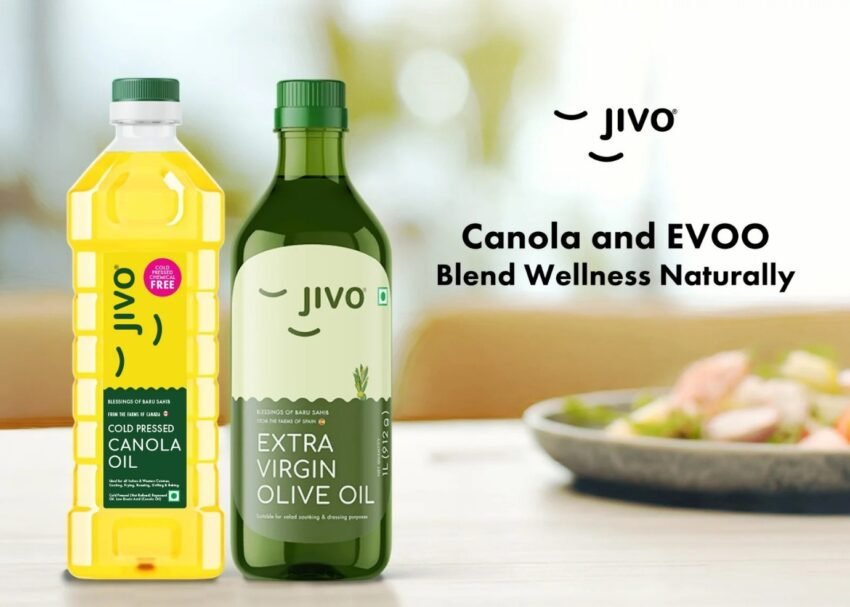
What are Cold-Pressed Oils
Cold-pressed oils are made by crushing seeds or fruits to extract oil using a natural, mechanical process without heat or chemicals. This method keeps the oil’s natural flavours, aromas, and important nutrients intact, which are often lost in refined oils. In India, where cooking at home is very common, more people are choosing the best cold-pressed oils in India for their purity and health benefits. These oils are rich in antioxidants, vitamins, and essential fatty acids, making them perfect for everyday cooking. The growing demand for unrefined cold-pressed cooking oils in India shows that health is becoming a top priority. Cold-pressing also fits well with Ayurvedic principles, which focus on preserving nature’s goodness to support a healthy lifestyle. Another healthful option that is trending in India is blending healthy oils. Mixing the best cold-pressed oils like extra virgin olive and canola oil in the right recommended proportion can have beneficial effects on health and be economical.
What is Cold-Pressed Canola Oil?
Cold-pressed canola oil is extracted from canola seeds using a natural mechanical process without heat or chemicals. It comes from a specially bred canola plant with very low erucic acid content (less than 2%), meeting FSSAI safety standards for consumption FSSAI Standards for Canola Oil. The oil is pressed at temperatures below 50°C to keep its delicate nutrients and heart-friendly compounds intact.
Known as one of the healthy cold-pressed cooking oils in India, cold-pressed canola oil offers a light texture and neutral taste. It is versatile in Indian cooking, ideal for sautéing vegetables and making curries. Its stability at high heat helps reduce harmful compound formation during cooking, making it safe and healthy for daily use.
This oil retains a natural golden colour and subtle nutty flavour because it is free from bleaching and deodorizing processes. Cold-pressed canola oil is also affordable while maintaining premium quality, making it popular among health-conscious Indian families.
Its rich content of omega-3 fatty acids, low saturated fat, antioxidants, and vitamin E contributes to heart health, brain function, and overall wellness.
What is Extra Virgin Olive Oil?
Extra virgin olive oil is the highest grade of olive oil, extracted only by mechanical methods from fresh olives, with no heat or chemicals used. The “extra virgin” label means the oil has an acidity level below 0.8%, ensuring premium quality and rich, robust flavour. In India, it brings unique fruity and peppery notes to salads, marinades, and as a healthy drizzle over finished dishes. Extra virgin olive oil is best for low to medium heat cooking, helping to retain beneficial polyphenols that have anti-inflammatory properties.
Indian home cooks are now embracing this oil for its Mediterranean roots, finding it works beautifully in local recipes—from chutneys to grilled paneer. Its unfiltered form sometimes contains tiny olive particles, adding both authentic taste and nutritional depth.
Nutritional Benefits of Canola Oil
Canola oil is highly valued for its healthy fat profile, containing about approximately 63% monounsaturated fats and 9–11% omega-3 fatty acids (alpha-linolenic acid), which support heart health. It is rich in vitamin E (17.5 mg per 100g), a powerful antioxidant that protects cells from damage, and vitamin K (71.3 µg per 100g), which helps maintain strong bones. With nearly 7% saturated fat, canola oil is a smart choice for reducing cholesterol and supporting overall cardiovascular wellness.
Each tablespoon has around 124 calories, with fat composition being around 63% monounsaturated, 28% polyunsaturated, and just 7% saturated fats. This balance makes canola oil ideal for Indian cooking styles, such as tadkas and stir-fries, providing energy for busy days. The presence of plant sterols (about 250 mg per 100g) further blocks cholesterol absorption, offering long-term protection for heart health.
Canola oil’s mild flavour and high smoke point make it versatile and safe for various cooking methods, including sautéing, frying, and baking.
Nutritional Benefits of Extra Virgin Olive Oil
Extra virgin olive oil is rich in oleic acid (55–83%), a heart-healthy monounsaturated fat linked to better insulin sensitivity and reduced inflammation. It contains powerful polyphenols, such as oleocanthal, which offer anti-inflammatory benefits similar to ibuprofen when consumed at dietary levels. This oil also provides squalene (564 mg/100 g), known for hydrating the skin, and lutein (0.2 mg per 100g), which supports eye health.
As a FSSAI-compliant cooking oil, extra virgin olive oil delivers around 120 calories per tablespoon, mostly from healthy fats. It is a good source of vitamin E (14.4 mg per 100g) and vitamin K (60.2 µg per 100g), aiding immunity and blood clotting.
In India, many users choose extra virgin olive oil to boost antioxidant intake, helping combat oxidative stress caused by pollution or spicy foods. Its natural bioactive compounds support brain function and may reduce the risk of dementia over time.
Health Benefits of Canola and Extra Virgin Olive Oils
Both canola and extra virgin olive oil support heart health by reducing LDL (bad) cholesterol and increasing HDL (good) cholesterol, thanks to their healthy unsaturated fats.
Canola oil is rich in omega-3 fatty acids, which helps improve brain development in children and supports overall cardiovascular health. It also contains plant sterols (beta-sitosterol) that help block cholesterol absorption, reducing heart disease risk.
Extra virgin olive oil is loaded with monounsaturated fats and polyphenols like oleocanthal, which have anti-inflammatory properties. It promotes better endothelial function (blood flow), boosts antioxidants in the body, and may help lower the risk of metabolic syndrome, stroke, and dementia. Its bioactive compounds also enhance skin elasticity, hair health, and offer protection from oxidative stress caused by pollution or spicy diets.
Incorporating these oils into your daily diet not only boosts overall wellness but also aligns with preventive health practices, supporting long-term vitality.
Advantages of Blending Canola and Extra Virgin Olive Oils
Blending canola and extra virgin olive oils creates a powerful combination that brings together their best qualities. Canola oil has a high smoke point (around 220–230°C), making it ideal for high-heat cooking like frying and deep-frying, while extra virgin olive oil adds rich Mediterranean flavours and antioxidants that are best preserved at lower cooking temperatures.
This blend expands cooking versatility, perfect for preparing a wide range of Indian dishes—from crispy pakoras to lightly sautéed vegetables. Nutritionally, the mixture balances omega-3 and omega-6 fatty acids for better absorption and enhanced anti-inflammatory effects, supporting heart and brain health.
Blending these oils also offers economic benefits for Indian households by lowering the cost compared to using pure extra virgin olive oil, making premium health more accessible. Additionally, antioxidants in each oil help preserve one another, extending shelf life and minimizing waste.
Overall, the blend elevates everyday meals into nutritious powerhouses, aligning with sustainable and health-conscious cooking habits.
Recommended Blending Ratios for Canola and Extra Virgin Olive Oil
For cooking versatility and health benefits, start with a 3:1 ratio of canola to extra virgin olive oil for high-heat tasks such as tempering spices or frying, ensuring the smoke point remains safe around 230°C. This ratio balances heat stability with subtle olive oil flavour.
For salad dressings or low-heat stir-fries, try a 1:1 blend to highlight the fruity and peppery notes of olive oil while keeping a smooth balance. If you want a milder olive flavour in baked goods like rotis or parathas, a 4:1 ratio of canola to olive oil works well to maintain softness with a hint of richness.
Adjust ratios depending on the dish; for example, for Indian-Italian fusion dishes such as pasta with curry leaves, increase olive oil proportion to bring out Mediterranean flavours. Always blend oils in glass containers to preserve freshness and integrity.
These ratios suit daily Indian cooking habits and provide flexibility to personalize tasting and nutrition using the best cold-pressed cooking oils in India.
Cooking Benefits of the Oil Blend
Blending canola and extra virgin olive oils offers great versatility in Indian kitchens. This mix withstands high heat needed for tandoor-style cooking like naans and gentle simmering for dals, ensuring no splattering and promoting even browning of key ingredients like onions and tomatoes.
Polyphenols from olive oil boost nutrient retention in vegetables, helping maximize vitamin absorption. In baking, the blend makes cakes moist while adding a subtle herbal flavour. For grilling tikkas, it forms a protective layer that locks in juices and enhances texture.
During festivals, this blend proves efficient in preparing large batches of sweets such as laddoos, reducing cooking time without compromising quality. Its balanced fat profile and antioxidant content help maintain nutritional value while streamlining cooking processes, making it a preferred choice for daily Indian meal preparations.
The blend combines canola’s high smoke point suited for frying with olive’s rich flavour and antioxidants, offering consistent, healthy, and flavourful results across diverse cooking methods.
Cost-Effectiveness and Practicality of the Blend
Blending canola and extra virgin olive oils helps stretch your cooking budget, as the affordable canola oil balances out the higher price of olive oil, giving you more volume for less money. One bottle of the blend can handle multiple cooking needs, reducing pantry clutter in compact Indian homes.
This blend stores well at room temperature and resists rancidity longer due to the protective antioxidants from both oils, making it practical for Indian households. Bulk buying FSSAI-compliant oils ensures safety and savings—perfect for joint families.
Using the blend simplifies grocery lists and cuts down on packaging waste, supporting eco-friendly practices in the kitchen. It also works seamlessly on both gas stoves and induction cooktops without special equipment, adding to its everyday practicality.
Taste and Flavour Profile of the Blend
The blend combines canola oil’s mild, buttery base with extra virgin olive oil’s grassy, peppery finish, creating a layered and balanced flavour. In Indian sabzis, it imparts a subtle fruitiness that beautifully complements spices like cumin and coriander. When used in marinades, the duo tenderizes proteins while adding aromatic depth.
Drizzling the blend over chaats adds a sophisticated flavour without overpowering the vibrant street-food tastes. This balanced profile reduces palate fatigue, encouraging cooks to explore diverse menus confidently.
Indian taste buds appreciate the blend’s adaptability, as it bridges the traditional richness of ghee with a lighter, modern touch, making it a versatile choice for everyday cooking.
Considerations When Choosing Oil Blends
When selecting cold-pressed oil blends, verify that labels clearly state “cold-pressed” and check for valid FSSAI certification to ensure purity and avoid adulteration. Choose oils with smoke points suited to your cooking style—higher smoke points for frying and lower for raw or low-heat uses.
Source quality matters: opt for organic oils for purity and local brands for freshness. If you have allergies to seeds or olives, exercise caution. Store oils in dark, cool places to prevent degradation.
Balance your blend ratios according to dietary needs, like using more canola oil for omega-3 intake. Sustainability is also key—consider brands practicing ethical farming.
By considering these factors, you ensure safe, effective use of healthy cold-pressed cooking oils in Indian kitchens.
Conclusion
Embracing blends of canola and extra virgin olive oils transforms daily Indian cooking into a celebration of health, flavour, and practicality. From heart-protecting fats to versatile applications, this combination supports vibrant lifestyles amid busy routines. As awareness grows, choosing quality options becomes effortless. Discover the purity with Jivo’s cold-pressed oils – Canola & EVOO, crafted for superior wellness in every drop.
1 thought on “Blending the Best Cold-Pressed Oils: Canola and Extra Virgin Olive Oil”