
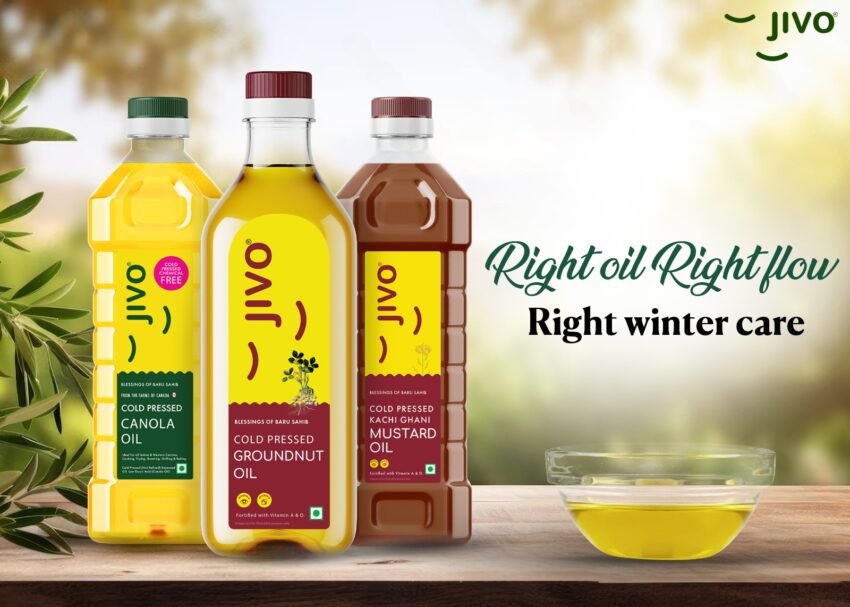
Seasons affect the human body as it undergoes physiological changes to adjust to weather conditions. For some people, these changes become health issues, especially at the onset of winter, such as Seasonal Affective Disorder (SAD). SAD is linked to depression and mood swings from reduced sunlight, but can be managed. More serious, however, is the risk of heart problems, which tend to rise in cold weather. Expert insights advocate that cases of heart attacks almost double in winter compared to summer months. The reason for the spike in heart attacks is not precisely known but medical experts relate it to narrowing of blood vessels and arteries, which increase blood pressure, a condition that contributes to heart issues. Pollution also contributes to heart problems. Delhi is facing an increase in short-term cardiovascular emergencies, cause being the rise in pollution. Dietary factors, such as consuming high-saturated-fat oils and an unhealthy lifestyle, play a role too. Choosing healthy oils in winter, when combined with regular exercise and a nutrition-rich diet, can help reduce heart problems.
Why Heart Problems Increase in Winter
Cardiovascular diseases (CVD) are the major cause of death across the globe. In 2008, CVD alone recorded 17.3 million global deaths. But what’s more concerning is the seasonal factor – winter reports higher mortality than summer.
Cold weather increases the risk of heart issues, especially for those who are already with a heart condition. The Medanta medical team relates winter-induced heart issues to constriction of coronary arteries and blood vessels. The narrowing of blood vessels and arteries elevate blood pressure, restrict blood flow and oxygen supply to the heart, and creates conditions that lead to heart attack. The increasing episodes of heart issues in winter is influenced by other factors such as consumption of unhealthy high saturated fat oils, poor lifestyle, pollution, and related conditions. One overlooked aspect that silently develops conditions causing heart-related medical issues is the consumption of unhealthy cooking oils, like palm oil, vanaspati, dalda, refined corn oil, cottonseed oil, and refined sunflower oil, among others. Consuming these unhealthy oils during winter amplifies heart risks and may worsen conditions for those with heart problems. For your heart health in winter, choose the best cooking oils in India, especially cold-pressed ones, to avoid conditions that lead to heart problems.
Best Cooking Oils in Winter
Choosing the right oil for winter cooking goes beyond taste, it is about nourishing your body against the cold. Many wonder which cooking oil is good in winter, especially in India where traditions mix with modern health needs. Oils rich in healthy fats can help maintain warmth, improve blood flow, and reduce inflammation. Here, we discuss four excellent choices, each with unique benefits tailored for colder months. These are pressed or refined in ways that keep their goodness intact, making them ideal for daily use.
Also Read: Winter Cooking Essential: 5 Cold-Pressed Oils That Enhance Flavour and Nutrition
Cold-Pressed Canola Oil
Cold-pressed canola oil is gaining popularity in India owing to its balanced fats and natural extraction process. This oil comes from canola seeds, processed gently under mechanical pressure without high heat to preserve its natural properties. Rich in monounsaturated fat (MUFA), canola oil contains oleic acid (MUFA) which is considered good for heart health, an excellent omega-9 fat that is best in winter season. In cold weather, when blood pressure might rise, these fats promote smoother blood flow and avoid clogging of coronary arteries. It also has omega-3 fatty acids, which may help reduce inflammation and support overall heart function. Cold-pressed canola oil is recommended by health experts and the American Heart Association (AHA). AHA recommends canola oil supporting its qualified health claim in reducing coronary heart disease.
With a high smoke point, canola oil complements a variety of Indian dishes with its mild nutty flavour. The low saturated fat in it prevents the heaviness that some oils bring, keeping meals lighter even in rich winter curries. Antioxidants in canola oil like vitamin E helps protect fats in the body from getting damaged when the body is under stress during cold (winter) conditions.
Using cold-pressed canola oil regularly in moderation as part of a balanced diet can help balance the body’s response to cold, making it one of the best cold-pressed oils in India for families aiming for long-term heart care.
Cold-Pressed Kachi Ghani Mustard Oil
Mustard oil is a tradition in India, a common kitchen staple found in most households. This oil has diverse applications which goes beyond cooking. Mustard oil holds both therapeutic and nutritional attributes. It plays a significant role in Ayurvedic therapy for skin infections and, in winter, as a chest rub to combat colds. Its warming properties are perfect for winter, as it generates internal heat that combats cold. Mustard oil keeps the body warm in winter primarily due to allyl isothiocyanate, a pungent compound that creates a natural heating sensation and stimulates blood circulation.
Mustard oil contains high levels of monounsaturated fats and omega-3s (Alpha Linolenic Acid) that help maintain normal blood cholesterol level when consumed in moderation. Cardiologists recommend cold-pressed mustard oil to reduce oxidative stress and inflammation, conditions that develop heart problems.
In winter, when infections are common, its antibacterial elements boost immunity, indirectly supporting heart health.
This makes it a top pick among healthy cold-pressed oils, especially for those in colder regions, where it has been trusted for generations. Go for cold-pressed kachi ghani mustard oil in winter as it packs with natural nutrients, is chemical-free, and is the best protection against cold weather.
Cold-Pressed Groundnut Oil
Peanuts, also known as groundnuts, are highly popular in India during winter. It’s high fat content, including nutritional properties, provide body heat and sustained energy in cold weather. Consumption of peanut is linked to beneficial aspects related to heart and immune health. Peanut contains arginine (amino acid), helpful in improving cardiovascular system, and activate the immune system. As an edible oil, preparing meals in cold-pressed groundnut oil in winter is considered healthy to combat harsh cold weather. Since it is cold-pressed, it retains nutrients, offering real goodness. Loaded with monounsaturated fats and vitamin E, it strengthens immunity against seasonal infections like colds through antioxidants such as resveratrol that protect cells from damage. In cold months, its omega-6 fatty acids ease inflammation, soothing joint stiffness and sore throats while enhancing blood flow to fight winter fatigue. Its antioxidant (vitamin E) is known to protect body from free radical damage and helps reduce the risk of heart disease.
Cold-pressed groundnut oil if consumed as part of a balanced may prove beneficial in combating harsh cold and improving heart health.
Extra Light Olive Oil
Extra light olive oil starts as olives refined lightly to create a pale, neutral-tasting option ideal for cooking. Its high monounsaturated fats, mainly oleic acid, support heart health by keeping arteries flexible during winter when cold air can stiffen them and raise blood pressure risks. These fats also help lower inflammation that often increases in cooler months.
The oil contains phenolic compounds and vitamin E as antioxidants to fight free radicals and oxidative stress on the heart. With a high smoke point over 470°F, it works well for sautéing vegetables, marinating meats, or drizzling on rice and seafood without adding strong flavours. Though refined, it retains benefits like better cholesterol levels compared to saturated fats. Vitamin K aids blood clotting and bone strength during less active winter days. This makes extra light olive oil a practical choice for daily cardiovascular support and It ranks high among the best cooking oils in India for those seeking a neutral yet beneficial option.
Also Read: Top 4 Cold Pressed Oils to Blend with Ghee This Winter for Enhanced Immunity and Wellness
Conclusion
Winter brings more than just spine-chilling winds—it increases heart risks through narrowed blood vessels and raised blood pressure. Pollution and poor diet choices like unhealthy refined oils worsen the condition. But you have a simple solution: switch to healthier winter oils in India.
Trust oils packed with heart-friendly monounsaturated fats, omega-3s, and antioxidants—like cold-pressed canola, kachi ghani mustard, groundnut, and extra light olive oil. These super oils help keep blood flowing smoothly, cut inflammation, boost immunity, and generate natural warmth. Make these your winter staples to stay strong and heart-smart all season.
Try Jivo’s premium cold-pressed oils—nutrient-rich and perfect for Indian kitchens. Shop now for healthier winters!