
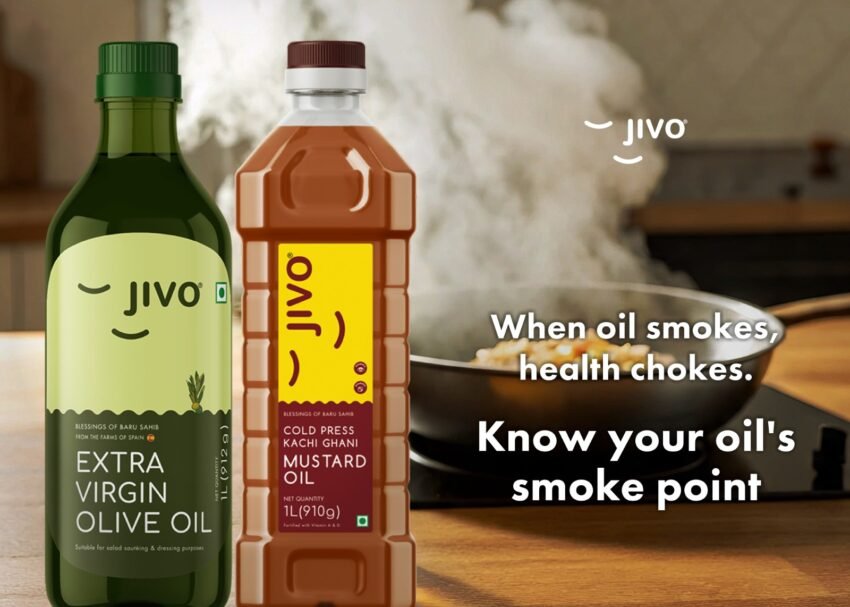
Every oil has a smoke point, which is the temperature at which the oil begins to break down and turn into a gaseous state. This occurs when the oil is overheated—heated to temperatures beyond its smoke point. When oil reaches this stage, both its nutritive content and flavour start to change, losing their original properties and beginning to degrade. During this process, the oil releases harmful compounds due to oxidation, which are not good for health. No matter how healthy or high quality your cooking oil is, if it is heated beyond its smoke point, it will break down, release harmful compounds, and should not be reused.
There are many types of cooking oils in India offered by reputed brands and choosing the right oil depends on cooking methods and personal preference. Understanding the smoke points of these oils is important because it helps you select the healthiest oils for your recipes. By knowing about smoke points, you can pick the healthiest oils for your recipes, cook confidently, and enjoy meals that are delicious and nutritious.
What is the Smoke Point of Cooking Oil?
The smoke point of cooking oil is the temperature at which the oil begins to smoke and break down. When heated to this point, the fats in the oil start to decompose, releasing smoke and tiny particles into the air. This change not only affects the oil’s flavour but can also reduce its nutritional value and produce harmful compounds. Scientists determine the smoke point by heating oil slowly in a lab until it smokes steadily for around 30 seconds, measuring the temperature in degrees Celsius or Fahrenheit.
Different cooking oils have different smoke points depending on their fatty acid composition. Oils high in saturated fats, like coconut oil, have higher smoke points and can handle more heat. On the other hand, oils rich in polyunsaturated fats, such as flaxseed oil, have lower smoke points and start to smoke quickly. Refined oils generally have higher smoke points as their processing removes most of the impurities that cause early smoking.
In Indian cooking, where frying, sautéing, and tadka require high heat, choosing oils with the right smoke point is essential. Using oils suited to the cooking temperature helps maintain taste, preserves nutrients, and ensures healthier meals without harmful fumes. Understanding smoke points allows for smarter oil choices, making every day cooking safer and more nutritious.
Why Does the Smoke Point Matter in Cooking?
Smoke point is important and can’t be ignored as it can harm both health and meal. When oil starts to smoke, it breaks down into harmful substances like free radicals and acrolein that can irritate your eyes, throat, and lungs. Constant exposure to these fumes may increase the risk of breathing problems and heart disease. Research shows that overheating cooking oils produces compounds linked to inflammation, so cooking below the smoke point keeps you safer.
The taste of your food is affected too. That unpleasant burnt or bitter flavour comes from oil breaking down, ruining delicate dishes like stir-fries. On the other hand, using oils with the right smoke point helps preserve fresh, nutty flavours that enhance your meal. For instance, oils with high smoke points keep samosas crispy and delicious when deep-fried, without creating off-flavours.
Oils that are stable at high heat retain vitamins, antioxidants, and essential fats. Overheating can destroy vitamin E and omega-3s, turning healthy oils into empty calories. Using the right oil for the cooking method is the key towards healthy and nutritive cooking.
Another crucial aspect of cooking is safety. You need to know the smoke point of the cooking oil you are using. Overheating oil beyond the smoke point cause kitchen fires. So, when choosing cooking oils in India, always check the smoke point. It’s a simple way to improve taste, health, and kitchen safety.
Factors That Affect the Smoke Point of Oils
Not all oils handle heat the same way. Several factors influence their smoke point, and knowing these can help you choose the best oil for cooking.
The type of fat in the oil is the biggest factor. Saturated fats resist heat well and have higher smoke points. Monounsaturated fats fall in the middle, while polyunsaturated fats break down faster at lower temperatures. This is why animal fats like ghee usually tolerate heat better than many plant oils.
Refining also plays a big role. Unrefined oils keep their natural flavour but have lower smoke points because of free fatty acids and impurities. Refined oils undergo bleaching and deodorizing, which increases their stability and makes them better for regular cooking.
How you store oil matters too. Old oils or those exposed to air oxidize, causing their smoke point to drop. To keep oils fresh and stable, store them in cool, dark places with a tight seal.
How oil is used affects the smoke point as well. Adding water or acidic ingredients lowers the smoke point, so dry heat testing is more accurate. Even altitude makes a difference—higher altitudes lower boiling points, which can slightly change the smoke point.
With this knowledge, it’s easier to pick good-quality, fresh oils. This helps your nutritional cooking oils keep their benefits without breaking down during cooking.
Smoke Points of Popular Cooking Oils
Here are eight popular cooking oils you will find in Indian kitchens, along with their smoke points, ideal uses, and key benefits to help choose the right one.
Avocado Oil: The smoke point of avocado oil range around 520°F (271°C), which is considered high. This oil is rich in monounsaturated fats and vitamin E. Its mild, buttery flavour is perfect for grilling meats or roasting vegetables at high heat, making it a favourite among healthy cooking oils.
Safflower Oil: Safflower Oil is a light, neutral oil having a smoke point of about 510°F (266°C). Packed with polyunsaturated fats, safflower oil is great for frying and baking, and it supports healthier cholesterol levels, making it a smart option among nutritional cooking oils.
Canola Oil: Canola oil’s smoke point is around 400°F (204°C) and categorizes as high smoke point oil. It’s low in saturated fat and contains omega-3 fatty acids, ideal for stir-fries or salad dressings. It is affordable and versatile and is often listed among the best cooking oils. Cold-pressed canola oil is the best oil to go with as it is naturally processed and retains nutritional content.
Peanut Oil: The refined version category of peanut oil holds a smoke point of around 450°F (232°C). Its nutty taste suits deep-frying snacks like vadas, and its heat stability makes it a staple in Indian cooking.
Sunflower Oil: Refined sunflower oil smokes at 450°F (232°C). Rich in vitamin E and linoleic acid, it’s excellent for sautéing and salads while promoting skin health. High oleic sunflower oil is considered healthy and is gaining popularity in India.
Sesame Oil: With a 410°F (210°C) smoke point, sesame oil, either toasted or plain, is loaded with antioxidants. It adds aroma and flavour to stir-fries and dressings in many Indian recipes.
Extra Virgin Olive Oil: Olive oil’s smoke point is about 375°F (190°C). Best used for low-heat cooking or finishing dishes, it offers polyphenols and fruity notes, making it a nutritional cooking oil staple.
Coconut Oil: Virgin coconut oil has a smoke point of 350°F (177°C). Known for medium-chain triglycerides providing quick energy, it’s suited for baking and curries, adding a tropical touch to Indian kitchens.
Each oil shines at specific cooking temperatures, matching oil to heat is the key to tasty, healthy meals.
Discover Jivo’s Cold-Pressed Cooking Oils
Jivo is a trusted name in wellness, known for its pure and nutrient-rich cold-pressed cooking oils. Unlike other methods, Jivo’s oils are made without harsh chemicals or high heat, keeping the natural flavours and nutrients intact from seed to bottle. Ethically sourced, these oils represent the true meaning of healthy cooking oils, perfect for today’s Indian kitchens. Recognized as one of the best cooking oils in India, Jivo emphasizes quality and transparency, so every drop nourishes your body. Whether you’re new to cold-pressed oils or already love them, Jivo’s range offers nutritional cooking oils that boost taste and health without compromise.
Jivo’s Kachi Ghani Mustard Oil: Best Mustard Oil with High Smoke Point
With a high smoke point of around 240°C (480°F), Jivo’s cold-pressed kachi ghani mustard oil is well-suited for cooking at high temperatures. Made through traditional wooden cold-pressing, it preserves the strong pungent aroma and rich golden colour of mustard seeds. Packed with heart-healthy monounsaturated fats and omega-3 fatty acids, this oil helps reduce inflammation and supports digestion. Ideal for frying parathas or tempering dals, its heat stability helps retain nutrients, making it a top choice among healthy cooking oils. Known as one of the best cooking oils in India, its robust flavour and beneficial fats put it in a league of its own.
Jivo’s Extra Virgin Olive Oil: Best Olive Oil with Lower Smoke Point
Jivo’s extra virgin olive oil is gentle in heat, with a smoke point around 375°F (190°C), making it ideal for simple cooking methods. Cold-pressed from quality olives, it offers fresh, fruity flavours and is rich in oleic acid, which helps manage cholesterol. Perfect for drizzling over salads or lightly sautéing greens, its antioxidants remain intact without overheating. Though it has a lower smoke point, this nutritional cooking oil supports everyday health, showing that healthy cooking oils don’t always need high heat to make your meals special.
Conclusion: Heat Up Your Kitchen Wisely
In simple words, knowing the smoke point of cooking oils is not just useful, it’s important for making your food safer, tastier, and healthier. When you use oils at the right temperatures, you avoid harmful substances and keep the good nutrients intact. This can really change how you cook and eat.
Try different oils we talked about and always choose one that suits your cooking style. If you want to make a healthy change, try super oils of Jivo. Using healthy cooking oils of Jivo may help you take better care of your body.
1 thought on “Why is the Smoke Point of Cooking Oils Important?”