
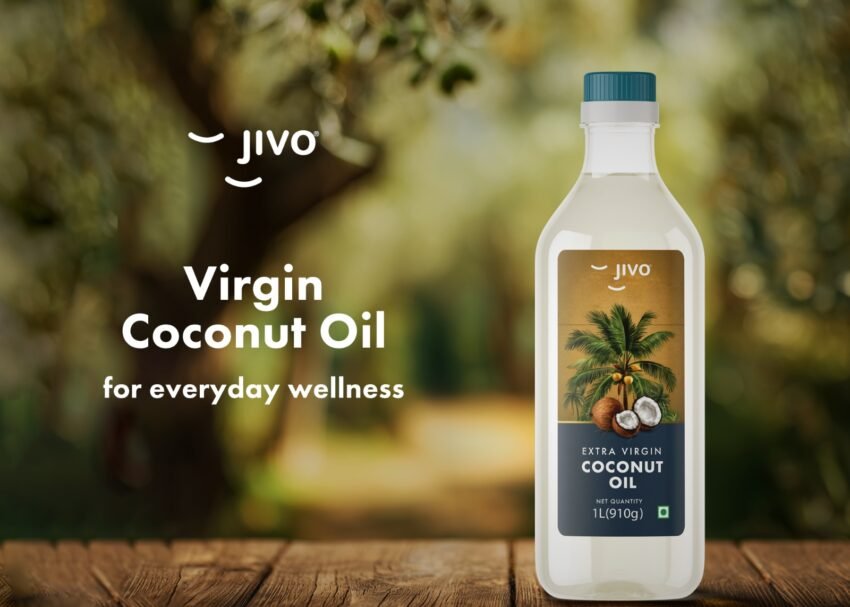
A majority of Indian population are consuming refined oil, unknowing about the potential damage it causes to health. Having daily meals cooked in unhealthy refined oils may increase the chance of cardiovascular diseases. In India, a surge is witnessed among health-conscious consumers as they are switching to healthy cold-pressed oils. Among the cold-pressed oil segment, extra virgin coconut oil is gaining popularity, especially in winter season, owing to its cooking, skin, and hair benefits.
Coconut oil contains high content of medium-chain triglycerides (MCTs), especially lauric acid (about 50%), caprylic acid, and capric acid, which digest quickly for energy without storing as fat.
Lauric acid in coconut oil converts to monolaurin, exhibiting antimicrobial properties that helps to fight bacteria for skin acne and scalp health.
It also contains vitamin E and polyphenols, helpful in skin moisturization, reduce inflammation for eczema, and nourish hair follicles to prevent dandruff.
Some clinical studies support supplementation of extra virgin coconut oil helps reduce triglycerides and and raises HDL cholesterol.
For overall wellness, especially in times where heart-related issues are on the rise, switching to best cold-pressed cooking oils in India like the extra virgin coconut oil, is the best option.
How Extra Virgin Coconut Oil is Extracted through Cold-Pressing?
In India, coconut cultivation is more in the coastal regions like Kerala, Tamil Nadu, and other southern states, making coconut oil one of the most popular oils known for cooking, skin care, and even traditional remedies. Among the various types, extra virgin coconut oil stands out for its purity and health benefits. What makes it special is the cold-pressing method, which extracts the oil without using high heat or chemicals. This keeps the natural flavour, nutrients, and antioxidants intact, unlike refined oils that lose much of their goodness during processing. If you’ve ever wondered how this golden oil goes from a fresh coconut to your kitchen shelf, let’s walk through the process step by step in a simple way.
Understanding Cold-Pressing and Why It Matters
Cold-pressing is a traditional way of extracting oil from nuts or seeds by pressing them mechanically, ensuring retention of nutrients. The cold-pressing method avoids high-heating and chemical refining. For extra virgin coconut oil, this means starting with fresh coconut kernels instead of dried copra, which is used in regular coconut oil production. The “extra virgin” label ensures it’s the first press, unrefined, and free from any additives.
This method is gentle on the oil, preserving compounds like lauric acid that help with immunity and digestion. In India, where people value natural products, cold-pressed extra virgin coconut oil is often preferred for daily use in curries, hair treatments, or as a natural moisturizer. It’s also eco-friendly, producing less waste and no harmful by-products.
The Step-by-Step Extraction Process
The journey begins in coconut farms, where workers carefully select the best nuts. Here’s how it’s done, drawing from practices common in Indian processing units.
Selecting and Harvesting Mature Coconuts
Farmers pick fully mature coconuts, about 10-12 months old, when the kernel is thick and oily. These are harvested by climbing the tall palms or using long poles. In places like Kerala, this is done by hand to avoid damage. Immature ones won’t yield good oil, so quality checks are key right from the start.
Dehusking and Shelling
Once collected, the outer fibrous husk is removed using sharp tools or machines. This reveals the hard brown shell. Next, the shell is cracked open carefully to extract the white kernel inside, along with the coconut water, which is often set aside for other uses. The kernel is then washed to remove any dirt or residue.
Grating the Kernel
The fresh white meat is grated into fine pieces using manual graters or industrial shredders. This step breaks down the kernel, making it easier to extract the oil. At this point, some producers remove the thin brown skin on the kernel for a purer, whiter oil, though it’s not always necessary.
Low-Temperature Drying
To prepare for pressing, the grated kernel is dried slowly at a low temperature, often in shaded areas or using dryers set below 60 degrees Celsius. This reduces the moisture content without cooking the meat, which could alter the oil’s quality. In traditional Indian setups, sun drying under covers is common, taking a few hours to a day. This step is crucial for cold-pressing, as too much water would make the process inefficient.
The Core Step: Cold-Pressing
Now comes the pressing. The dried gratings are fed into a mechanical press, like a screw expeller or hydraulic machine. These presses apply steady pressure to squeeze out the oil, all without adding any external heat. The friction from the machine might warm things up slightly, but it’s controlled to stay low. The oil flows out naturally, leaving behind a dry cake that’s often used as animal feed or fertilizer. This first extraction is what gives you the extra virgin grade—pure and untouched.
Settling and Filtering
The freshly pressed oil might have some tiny particles, so it’s allowed to settle in tanks for a day or two. Then, it’s filtered through cloth or simple sieves to remove any solids, resulting in clear, aromatic oil. No bleaching or deodorizing here, so it keeps that fresh coconut scent many Indians love.
The best cold-pressed coconut oil in India comes from fresh coconuts through a natural extraction process that avoids heat and chemicals, preserving its pure nutrients. Make sure you buy virgin coconut oil from the best cooking oil brands in India.
Health Benefits of Extra Virgin Coconut Oil
In many Indian homes, especially in Kerala and other coastal areas, extra virgin coconut oil has been used for generations—not just for cooking tasty curries or frying crisp snacks, but also for nourishing hair and skin. This pure oil, extracted from fresh coconuts without heat or chemicals, keeps all its natural goodness. Today, people across India are rediscovering its health advantages, from supporting daily wellness to helping with common concerns like digestion and immunity. Let’s explore some of the key benefits in a simple way, based on what we know from everyday use and reliable insights.
Supports Heart Health in a Balanced Way
Some clinical trials have confirmed positive effects of extra virgin coconut supplementation. It was found that triglycerides levels reduced and HDL levels elevated. On comparing coconut oil and butter consumption, coconut oil increased HDL-C levels. It is the presence of lauric acid and myristic acid in extra virgin coconut oil, the main saturated fatty acids, that helps increase in HDL cholesterol levels.
Aids in Weight Management
A research was conducted to see whether coconut oil actually helps in weight loss. Two parameters were considered – Body Mass Index (BMI) and Waist Circumference (WC). The results found out that the consumption of coconut oil helped reduce the body mass index but was quite less. There was no change in waist circumference. Relying solely on coconut oil for weight loss is not recommended.
Boosts Skin and Hair Care Naturally
Lauric acid and polyphenols (natural antioxidants) in extra virgin coconut oil helps boost skin and hair health. Coconut oil contains lauric acid, which exhibits antimicrobial properties, helpful in combating acne-causing bacteria. It also helps in moisturizing skin, reduce inflammation, and promote wound healing.
Lauric acid is a versatile player that not only boost skin attributes, it also helps improve hair health. Lauric acid binds to hair proteins like keratin, preventing breakage and split ends while fighting microbes on the scalp. This is the reason why overnight coconut oiling is recommended for a healthier and strong hair. Vitamin E in coconut oil protects hair against free radical, thereby shielding against stress and UV radiation.
Strengthens Immunity
Coconut oil contain special fats known as medium-chain fatty acids, which break down in the body to form lauric acid and monolaurin. These substances are known for their antiviral, antibacterial, and antifungal properties. Research shows that when coconut oil is consumed or applied to the skin, these compounds help fight harmful microorganisms and support the immune system.
Extra virgin coconut oil contains lauric acid, which turns into a compound that acts against harmful bacteria, viruses, and fungi. This makes it helpful for overall immunity, especially during season changes when colds are common. A little in your food or even oil pulling (swishing in the mouth) is a traditional practice many follow.
Good for Digestion and Energy
Unlike other fats, medium-chain triglycerides (MCTs) do not undergo the normal digestion process—instead, they skip much of it and go directly to the liver for breakdown. MCTs dissolve easily in water, so they absorb straight into the bloodstream and travel to the liver via the portal vein for quick energy conversion, without needing bile. Coconut oil is indeed good for digestion.
Overall, extra virgin coconut oil offers simple, natural support for health when used wisely—about 1-2 tablespoons a day is plenty for most adults. It’s best to choose cold-pressed varieties from trusted brands to get the full benefits. In Indian kitchens, it fits perfectly into balanced meals with vegetables, grains, and spices. Always remember, no single food is a miracle; pair it with a varied diet and active lifestyle for the best results.
Best Extra Virgin Coconut Oil in India
When looking for the best extra virgin coconut oil in India, Jivo Extra Virgin Coconut Oil stands out as a reliable and trusted choice for families who prioritize natural health in their daily routines. They source it carefully from fresh, mature coconuts grown in ideal conditions, then extract it using a gentle cold-pressed method that avoids any chemicals or high heat. This simple process keeps all the natural medium-chain triglycerides (MCTs) and lauric acid fully intact, so you get the full benefits for heart-friendly cooking, smoother glowing skin, and stronger, shinier hair without compromise.
What makes Jivo special goes beyond the basics—its fresh, nutty aroma fills your kitchen just like homemade, and it has a high smoke point that handles high-heat cooking, especially tadkas, curries, and stir-fries, perfectly without breaking down or losing flavour. Unlike refined oils that strip away goodness during processing, Jivo extra virgin coconut oil stays stable and nutritious even at high temperatures, making meals tastier and healthier. Families across India turn to it for that authentic coconut taste in traditional dishes like coconut chutney or dosa tempering, plus it is useful for hair care and skin health. If you’re looking for the best extra virgin coconut oil in India, Jivo is the best oil brand that delivers quality, and everyday reliability that keeps wellness simple and effective.
FAQs
1. What is extra virgin coconut oil?
Extra virgin coconut oil is pure, unrefined oil from the first cold press of fresh coconut kernels, retaining natural nutrients like lauric acid and MCTs without heat or chemicals—ideal for health-conscious Indian cooking.
2. How is cold-pressed extra virgin coconut oil extracted?
Cold-pressed extraction starts with harvesting mature coconuts, dehusking, grating kernels, low-temp drying, mechanical pressing, settling, and filtering—preserving flavor, antioxidants, and benefits unlike refined oils.
3. What are the heart health benefits of extra virgin coconut oil?
Extra virgin coconut oil’s lauric acid raises HDL cholesterol and lowers triglycerides, as shown in clinical studies, making it a heart-friendly swap for refined oils in Indian diets amid rising cardiovascular risks.
4. Does extra virgin coconut oil aid weight management?
Studies indicate extra virgin coconut oil may slightly reduce BMI due to quick-digesting MCTs, but it doesn’t impact waist circumference—use 1-2 tbsp daily in balanced meals, not as a sole weight loss solution.
5. How does extra virgin coconut oil benefit skin and hair?
Lauric acid in extra virgin coconut oil fights acne bacteria, moisturizes skin, reduces eczema inflammation, strengthens hair against breakage, and prevents dandruff with vitamin E protection—perfect for overnight Indian hair oiling.
6. Can extra virgin coconut oil boost immunity?
Yes, its MCTs convert to monolaurin with antiviral, antibacterial properties, supporting immunity against seasonal infections—consume via cooking or oil pulling for natural defense in India’s changing weather.
7. Why choose extra virgin coconut oil over refined oils in India?
Refined oils lose nutrients during high-heat processing, raising heart disease risks, while cold-pressed extra virgin coconut oil keeps MCTs, lauric acid, and antioxidants for safer cooking, skin, and hair care.
8. Is extra virgin coconut oil good for digestion?
MCTs in extra virgin coconut oil bypass normal digestion, absorbing quickly for energy without bile, easing gut health—add to curries or chutneys for sustained vitality in daily Indian meals.
9. What makes extra virgin coconut oil popular in winter?
In Indian winters, extra virgin coconut oil’s moisturizing vitamin E and polyphenols soothe dry skin, reduce inflammation, and nourish hair follicles, plus its warming MCTs provide quick energy.
10. Which is the best extra virgin coconut oil brand in India?
Jivo Extra Virgin Coconut Oil tops choices with cold-pressed purity from fresh coconuts, high smoke point for tadka and curries, nutty aroma, and full MCT benefits—trusted for cooking, skin, and hair across India.
1 thought on “Why Switch to Extra Virgin Coconut Oil in India: Top Health Benefits Backed by Science”