
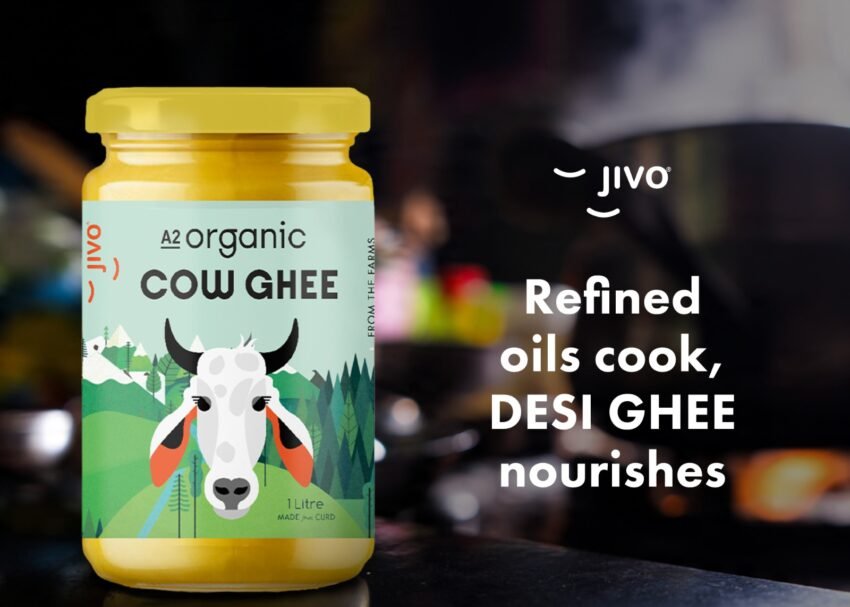
Best desi ghee in India is gaining more popularity as people become aware of its health benefits and traditional value. According to a recent report by iMARC, the average ghee consumption in India has increased from 2.68 kilograms per person in 2014 to 3.27 kilograms in 2024, and this number is expected to rise even higher by 2034. This shows how desi ghee is becoming a trusted part of Indian cooking and daily nutrition.
Desi Ghee vs Refined Oils – What’s Healthier for Cooking? In Indian homes, this question comes up often. Many people choose refined oils because they are light and cheap. But desi ghee has been used for centuries and is known not only for its rich taste but also for its health benefits. Unlike refined oils, which often undergo heavy processing and may contain unhealthy fats, desi ghee is a pure natural fat that helps keep the body warm, especially in winter. It is known to improve digestion, boosts immunity, and adds a unique, traditional aroma and flavour to your dishes. This blog will help you understand why desi ghee is a healthier and tastier option for cooking. Whether for daily meals, frying snacks, or special winter dishes, it guides you to choose the best ghee for your family’s food.
What is Desi Ghee and How is it Made?
Desi ghee is pure clarified butter made traditionally from cow’s milk using a method called the bilona process. First, fresh cow milk is boiled and then allowed to ferment into curd. This curd is churned gently using a wooden churner called the “bilona” to separate white butter from buttermilk. The butter is then slowly heated on low flame until all water evaporates and milk solids settle at the bottom. What remains is golden, aromatic, pure desi ghee full of natural nutrients and flavor.
The bilona method preserves the natural goodness because it uses natural fermentation and slow cooking without chemicals or high heat. This keeps antioxidants, vitamins, and healthy fats intact, making desi ghee easy to digest and nourishing.
On the other hand, refined oils are made by crushing seeds or fruits, sometimes using chemicals to extract more oil. The extracted oil undergoes high heat, bleaching, and deodorization processes. These harsh treatments remove most of the natural nutrients and may even add harmful substances. So, refined oils lose the natural health benefits that traditional desi ghee retains through its careful preparation.
This traditional way of making the best desi ghee in India offers a pure, healthier fat option that has been trusted in Indian kitchens for generations.
Nutritional Benefits of Desi Ghee Compared to Refined Oils
Desi ghee wins on nutrition because it contains healthy fatty acids that nourish the body naturally. It is rich in butyric acid, which strengthens the stomach lining and helps reduce inflammation. Desi ghee also provides vital fat-soluble vitamins A, D, E, and K2, which support bones and joint health. Unlike desi ghee, refined oils mostly contain omega-6 fatty acids, and an imbalance of omega-6 with low omega-3 can cause inflammation and increase the risk of heart disease over time. Additionally, many refined oils go through heavy processing that creates harmful trans fats, which are known to be bad for heart health.
During winter, when joint pain and dry skin are common, the best ghee in India during winter season offers natural warmth and lubrication from inside, helping soothe aches and keeping skin hydrated. This makes desi ghee not only a tasty ingredient but also a nourishing choice for health, especially in colder months.
Overall, desi ghee’s natural fatty acids and essential vitamins make it a healthier and more wholesome option compared to refined oils for cooking and your well-being.
Desi Ghee Smoke Point: Safe Cooking at High Heat
Many believe refined oils are better for cooking because they have a higher smoke point, around 230-250°C. However, pure desi ghee actually has a high smoke point too—about 250°C (485°F). This means desi ghee can tolerate high heat without breaking down or producing harmful compounds. In everyday Indian cooking, whether it’s tadka, sabzi, or deep-frying snacks like pakoras, the temperatures rarely go above 190°C. At these normal cooking temperatures, the best desi ghee in India remains stable and safe.
On the other hand, when refined oils exceed their smoke point, they start to release toxic fumes and free radicals that can damage cells and harm health. So, the high smoke point of refined oils is only really useful if you deep fry at very high temperatures daily, which is uncommon in most Indian homes. Desi ghee’s high smoke point combined with its natural nutrients makes it an excellent, safe fat for regular cooking.
In summary, desi ghee is just as safe, if not safer, than refined oils for cooking within typical household temperatures, protecting both flavour and health.
Taste and Satisfaction
Food cooked with the best desi ghee in India tastes wonderful and totally different from anything made with refined oils. The moment you add a spoonful of ghee to your dal or pour it over hot parathas, the rich aroma fills the kitchen, making the food more inviting and delicious. This natural, nutty flavour of ghee makes your meals more satisfying, so you end up eating less but feel fuller. Because of this, many people find they lose weight naturally when they switch from refined oils to good quality desi ghee. This makes desi ghee not only a healthier choice but also a tastier one for everyday Indian cooking and special dishes.
Types of Ghee You Should Know About
Not all ghee is the same, and knowing the types can help you choose the best desi ghee in India for your needs. Here are some popular types:
A2 Desi Ghee: Made only from the milk of native Indian cow breeds that produce A2 beta-casein protein, this ghee is easier to digest compared to regular A1 milk ghee.
Bilona Ghee: Crafted by hand-churning curd in traditional clay pots using the bilona method, it retains more natural nutrients and a rich aroma.
Gir Cow Ghee: Sourced from pure Gir breed cows of Gujarat, this ghee has a light golden color and a distinct nutty taste.
Vedically Prepared Ghee: Made during special moon phases following ancient Ayurvedic texts, many believe it has enhanced energy and purity.
Among these, the ghee made through the bilona method from A2 cow milk is highly sought after and often considered the best ghee in India. It offers maximum health benefits, rich taste, and authentic traditional quality.
This variety ensures that everyone can find a ghee that matches their cooking style, taste preference, and health goals.
Blending Ghee with Cold-Pressed Oils – The Smart Middle Path
Blending ghee with the best cold-pressed oils in India is a smart way to enjoy the benefits of both while keeping your meals light and nourishing. If you find pure ghee a bit heavy for everyday cooking or a little expensive, mixing the best desi ghee in India with good quality cold-pressed oils is a great option. For example:
- 50% best ghee in winter + 50% cold-pressed mustard oil works perfectly for North Indian cooking
- 40% desi ghee + 60% cold-pressed groundnut oil suits Gujarati and Maharashtrian homes
- 30% ghee + 70% cold-pressed sesame oil is loved in South India during winter
Cold-pressed oils retain their natural flavour, nutrients, and heart-healthy fats because they are extracted without heat or chemicals. When blended with ghee, which is rich in fat-soluble vitamins and healthy fatty acids, this mixture balances omega profiles and adds warmth and richness to every meal. It’s not only cost-effective but also easier to digest and supports overall health, making it a wise choice for daily cooking.
This blend gives you the taste and benefits of ghee along with the natural goodness of the best cold-pressed oils in India across seasons.
How Much Ghee Should You Eat Daily?
Children can have 1-2 teaspoons of ghee daily, while adults can take 2-4 teaspoons. For elderly people or those with joint pain, especially in winter, 4-6 teaspoons can help keep the body warm and skin moisturized. Eating ghee in these amounts gives you all its benefits without adding extra weight. The best ghee in winter is especially helpful because your body needs more healthy fats during colder months to stay comfortable and healthy. Keeping your ghee intake within these simple limits fits perfectly with a balanced Indian diet and lifestyle.
Choose the Best Desi Ghee in India
When looking for the best desi ghee in India, check for these key signs:
- Made using the traditional bilona method
- Made only from A2 cow milk
- Free from preservatives and artificial colours
- Packed in glass jars to maintain purity
- Light golden colour with a grainy texture during winter
Jivo’s Desi Ghee meets all these criteria. It is made from the milk of free-grazing desi cows, using the slow bilona process to preserve natural goodness. Every batch is carefully tested for purity and packed in glass jars. Many who switched to Jivo’s Desi Ghee have noticed better digestion and relief from winter joint pain, making it a popular choice for those seeking authentic, healthy ghee.
Conclusion
Desi ghee has been part of Indian homes for generations, and for good reason. It brings a natural warmth and rich flavour to your food while nourishing your body from the inside. Using it in the right amounts can help keep you healthy and full of energy.
Start small by swapping just one spoon of refined oil with the best desi ghee in India in your everyday cooking. You’ll soon see your meals taste better, your skin glow, and your energy rise.
For a pure and authentic touch, try Jivo’s Desi Ghee. Whether you add a spoon to your morning roti or drizzle it over hot dal at night, this small daily habit can greatly improve your health. Like our grandmothers said, ghee is not just fat—it’s liquid gold for health and happiness.
1 thought on “Desi Ghee vs. Refined Oils: What’s Healthier for Cooking?”
Comments are closed.