
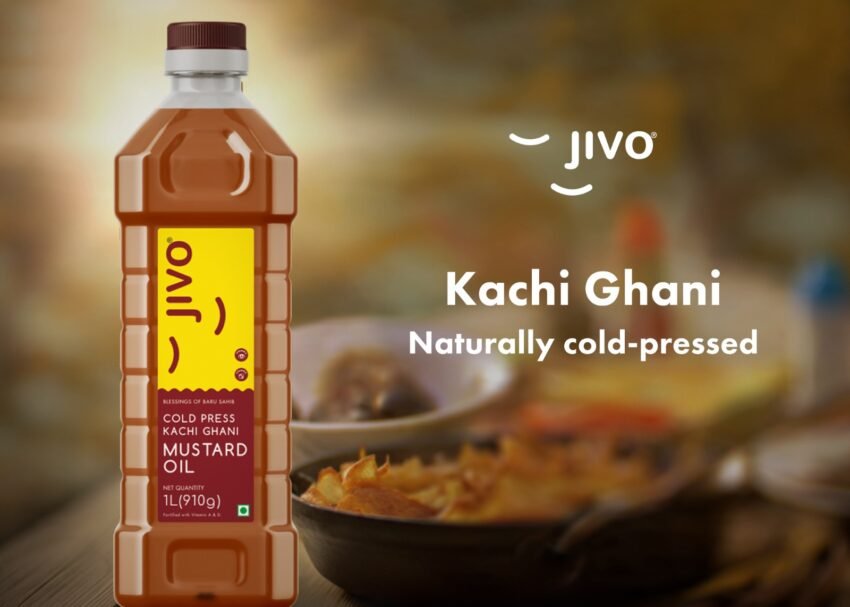
Kachi Ghani mustard oil has become a household favourite across India for its authentic flavour and traditional extraction process. Celebrated as one of the best cold-pressed mustard oils in India, it offers not just a unique pungency but also a range of nutritional benefits that attract health-conscious consumers. Over recent years, the popularity of mustard oil has surged, driven by growing awareness about the advantages of natural, chemical-free cooking oils. The market for cold-pressed oils, especially Kachi Ghani mustard oil, has expanded significantly as people move away from refined and adulterated options. Despite its widespread use and increasing demand, many consumers remain unsure if the oils labelled “Kachi Ghani” are genuinely cold-pressed and maintain their original purity and health advantages. This blog aims to demystify these doubts by explaining the true meaning of Kachi Ghani mustard oil, its processing methods, and how to ensure you choose the best nutritional and healthy cold-pressed mustard oil for your kitchen.
What Kachi Ghani Really Means?
The term Kachi Ghani is derived from two Hindi words—“Kachi,” meaning raw or unheated, and “Ghani,” which refers to the traditional wooden or stone press used for oil extraction. This method has been practiced for over 500 years, especially in northern and eastern India. Traditionally, mustard seeds were slowly crushed using these presses powered by bulls or by hand, ensuring that no external heat or chemicals were added during extraction. This natural process helped preserve the strong flavour, healthy fats, and vitamins found in mustard oil.
In earlier times, many villages had their own Ghani setup where seeds were cleaned and pressed carefully, releasing oil drop by drop. The oil was treasured not only for cooking but also for massages and lighting lamps. Although this tradition continues today, many modern oils lack the same purity. Recognizing this history highlights why authentic Kachi Ghani mustard oil remains one of the best cold-pressed mustard oil options valued for its cultural and nutritional significance.
Cold-Pressed Compared to Expeller-Pressed and Refined Mustard Oil
To understand whether Kachi Ghani mustard oil is truly cold-pressed, it’s important to know how different types of mustard oil are produced. The production methods affect the oil’s flavour, nutrient content, and quality. Cold-pressed oils are made using traditional, low-heat processes, while expeller-pressed and refined oils involve higher temperatures and more processing. Comparing these methods helps reveal why the best cold-pressed mustard oil in India, like authentic Kachi Ghani, is prized for its natural taste and health benefits.
| Type of Oil | How It Is Made | Temperature During Process | Nutrients Kept | Flavour and Use | Yield from Seeds | Cost Factor |
| Cold-Pressed | Seeds crushed slowly in a press without extra heat or chemicals | Below 50 degrees Celsius | High, keeps most vitamins, antioxidants, and good fats | Strong, pungent, great for Indian cooking like tadka | Low, around 35 to 40 percent | Higher due to natural method |
| Expeller-Pressed | Seeds pressed in machines that generate heat from friction | Up to 100 degrees Celsius or more | Medium, some nutrients lost due to heat | Milder than cold-pressed, still has some flavor | Higher, 45 to 50 percent | Medium, balances cost and quality |
| Refined | Oil extracted with heat and chemicals, then bleached and deodorized | Over 200 degrees Celsius | Low, most natural goodness removed | Neutral, no strong smell or taste | Very high, over 50 percent | Lowest, mass-produced |
From this, you can see cold-pressed is the closest to traditional methods. Kachi Ghani fits here because it uses low temperatures to preserve quality. Expeller-pressed gets hotter, changing the oil a bit. Refined oils lose a lot in the process, making them less healthy.
Authentic Traditional Kachi Ghani Process Step by Step
Understanding how authentic Kachi Ghani mustard oil is made helps explain why it is considered one of the best cold-pressed mustard oils in India. The process starts with selecting high-quality mustard seeds, usually black or brown varieties, which are clean, dry, and free from pesticides or poor-quality seeds.
Next, the seeds are thoroughly washed and sorted to remove any dirt, stones, or damaged seeds, ensuring purity right from the beginning. The cleaned seeds are then slowly crushed in a traditional wooden Ghani press—a hollow cylinder with a heavy wooden pestle. This is often powered by animals or motors today.
No external heat is added during pressing. The mild warmth generated from friction remains below 50 degrees Celsius, allowing the oil to flow out naturally and retain its nutritional properties.
After extraction, the oil is left to settle for a few days, so any sediment sinks to the bottom naturally without chemicals. Finally, the oil is filtered gently through muslin cloth to remove remaining particles, producing pure, golden-coloured oil with a strong, authentic aroma. This slow, careful process distinguishes traditional Kachi Ghani mustard oil from faster, less natural factory methods.
Why the Confusion Exists in 2026
Even in 2026, confusion surrounds the authenticity of Kachi Ghani mustard oil. Manufacturers often use high-speed metal presses that generate heat during extraction but still market the oil as Kachi Ghani to attract buyers. Some producers blend small amounts of genuine cold-pressed oil with refined oils, claiming the mixture is pure despite regulations.
India’s food authority, FSSAI, banned mixing mustard oil with other edible oils effective October 1, 2020, to ensure purity. Mustard oil must contain not less than 0.20% allyl isothiocyanate, a key natural compound; 2017 drafts proposed 0.25-0.60% specifically for Kachi Ghani labeling, but no finalized strict definition exists for this term. This gap allows misleading labels to persist.
Market demand for affordable oil worsens the issue, as refined oils cost less and are more available than authentic cold-pressed mustard oil, which has lower yields. Adulteration reports continue in 2026, including court-ordered FSSAI probes over low essential oil content in samples. Understanding these factors helps consumers select genuine Kachi Ghani mustard oil.
6 Full-proof Tests You Can Do at Home
Labels can be misleading, so trying these easy tests helps confirm if your mustard oil is genuine Kachi Ghani—one of the best cold-pressed oils in India known for its quality and nutritional benefits.
Pungency Test: Open the bottle and take a deep sniff. Authentic oil releases a sharp, mustardy aroma within 2 to 3 seconds. If the smell is weak or chemical-like, it may be mixed or adulterated.
Freezer Test: Pour a small amount of oil into a bowl and freeze it for 2 hours. Pure cold-pressed mustard oil solidifies into a creamy, thick layer, while fake oils remain liquid or form uneven lumps.
First Smoke Test: Heat a spoonful of oil in a pan. Genuine Kachi Ghani mustard oil smokes at higher temperatures with a fresh, clean smell. Adulterated oil smokes early or produces an unpleasant odour.
Water Droplet Test: Heat a flat pan (tawa), add some oil, then a drop of water. Pure oil sizzles cleanly with minimal foam. Excess foaming indicates impurities.
Sediment Test: Leave the bottle untouched for 2 weeks. Natural sediment settling at the bottom signals minimal processing. No sediment might suggest over-refinement.
Smell Retention Test: Check the oil’s aroma after 3 to 4 months. Authentic oils retain their strength, whereas fake ones quickly lose their fragrance.
Using these simple at-home tests can help you choose the best Kachi Ghani mustard oil—nutritional and healthy cold-pressed mustard oil prized in Indian kitchens.
Key Factors to Choose Genuine Kachi Ghani Mustard Oil
When choosing the best Kachi Ghani mustard oil, it’s important to watch out for certain label signs that may indicate the oil is not pure. Words like “double filtered” or “refined” suggest extra processing that strips away natural nutrients and flavour. If the label mentions “expeller pressed,” even in small print, it means higher heat was used during extraction, which is not cold-pressed.
Terms like “blended” or “extra light” often indicate the oil is mixed with other cheaper oils, lowering its quality. Prices that seem too good to be true—below 220 to 250 rupees per liter in 2026—should raise suspicion, as authentic cold-pressed oil typically costs more due to the careful process and lower yields. Also, prefer bottles made of glass or tin, since plastic containers can degrade oil quality over time.
Being aware of these red flags can help you pick a genuine and nutritional cold-pressed mustard oil for your kitchen.
Green Flags: What to Look for on the Label and Packaging
When selecting the best Kachi Ghani mustard oil, look for clear labels stating “wood-pressed” or “kohlu-pressed,” which indicate traditional cold-pressed methods. Checking for a batch number and crushing date helps ensure freshness, as freshly pressed oil retains better flavour and nutrients.
Packaging in dark glass bottles or food-grade tin protects the oil from light, preserving its quality. A strong aroma noticeable even through the cap is another good sign of authentic, nutritional, and healthy cold-pressed mustard oil.
Sometimes, natural sediment can be seen at the bottom of the bottle, indicating minimal filtering and a more natural product. These characteristics help identify the best cold-pressed mustard oil in India that delivers authentic taste and health benefits.
Also Read: Is Your Mustard Oil Pure? 7 Simple Tests to Spot Fake Mustard Oil
FAQs
Is every Kachi Ghani oil truly cold-pressed?
Not always. Some brands use the name but rely on modern processing methods. It’s best to confirm authenticity with simple tests to find the best cold-pressed mustard oil in India.
Why does real Kachi Ghani mustard oil smoke more when heated?
It contains natural compounds that raise its smoke point to around 250 degrees Celsius, making it ideal for frying and cooking at high temperatures.
Is the high erucic acid content harmful?
In moderation and less quantity, erucic acid is considered safe for Indian diets. Many concerns come from outdated studies, but pure, nutritional and healthy cold-pressed mustard oil remains safe.
How long does authentic Kachi Ghani mustard oil last?
When stored in a cool, dark place, it can stay fresh for 12 to 18 months.
Can authentic Kachi Ghani be used for deep frying?
Yes, its natural stability makes it suitable for deep frying and various cooking methods.
Buy the Best Cold-Pressed Mustard Oil from Trusted Brand
When choosing the best cold-pressed mustard oil in India, Jivo stands out for its commitment to quality and purity. Jivo’s cold-pressed mustard oil retains a natural balance of healthy fats, including omega-3 and omega-6 fatty acids, which support heart health and overall wellness. Extracted using traditional cold-press methods, it preserves the rich aroma and strong flavour that authentic Kachi Ghani oil is known for. With zero additives or chemicals, Jivo’s mustard oil offers a nutritional and healthy cold-pressed option perfect for everyday cooking. Trusted by families seeking genuine, pure mustard oil, Jivo ensures you get the natural goodness that your kitchen deserves.
Conclusion
To conclude, authentic Kachi Ghani mustard oil is genuinely cold-pressed when produced using traditional methods. This preserves the natural nutrients and rich flavour that refined oils often lose. In 2026, with many misleading labels on the market, being informed about the tests and warning signs shared here can help you select the best kachi ghani mustard oil for your health and cooking needs.
For a trusted choice, Jivo’s cold-pressed mustard oil offers quality and a balanced fat profile, making it a reliable option for families seeking nutritional and healthy cold-pressed mustard oil. Try the simple home tests on your current bottle and share your experience. Keep your kitchen stocked with authentic cold-pressed oils and enjoy the true taste of tradition.
1 thought on “Is Kachi Ghani Mustard Oil Truly Cold-Pressed?”