
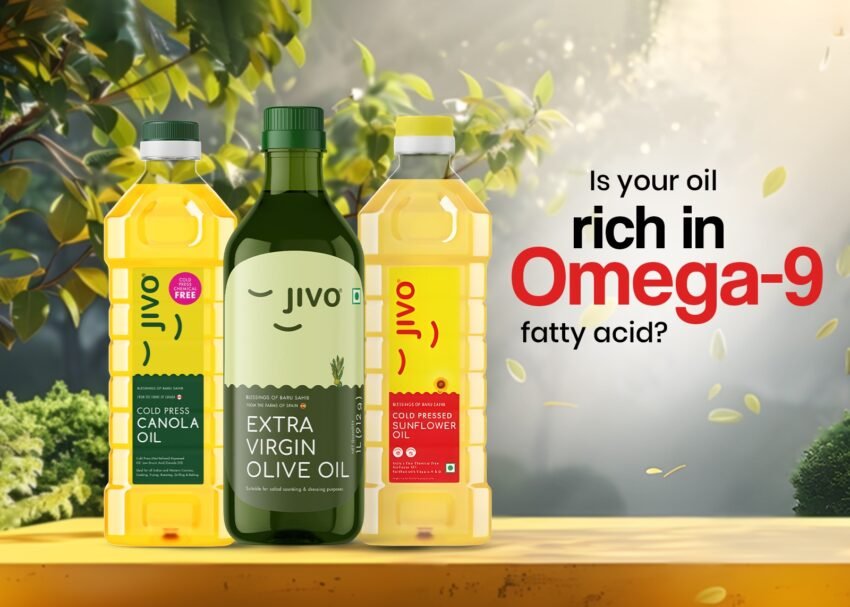
When health issues are on the rise, it is quite obvious that we will look for healthy alternatives. Due to adulteration, low-quality ingredients, and misleading labels on food items, it is challenging for people to identify real healthy products, especially cooking oils. Oils form a vital part of our daily requirements, so we need to be well aware and have the minimum required knowledge to choose the best cooking oils. Time and again, major health bodies caution us against impulsive buying of unhealthy cooking oils and recommend the best ones to use.
One such recommendation came from the U.S. Food and Drug Administration (FDA), which supports consumption of three healthy cooking oils – olive oil, sunflower oil, and canola oil. The FDA advocates consuming these oils on the basis that they may reduce the risk of coronary heart disease. These oils contain a good amount of oleic acid—a type of monounsaturated fat that supports heart health.
Let us understand why the US FDA recommends the best cooking oils – olive, sunflower, and canola oil for healthy cooking.
Why FDA Backs These Oils for Heart Health
The U.S. Food and Drug Administration (FDA) clearly emphasizes the vital role of oleic acid in olive, sunflower, and canola oil. It is the presence of oleic acid in these oils that qualifies them as healthy for cooking. When a diet rich in oleic acid replaces diets high in saturated fats, this helps contribute to the maintenance of normal blood cholesterol levels.
Oleic acid is the most common type of monounsaturated fat, also known as an omega-9 fatty acid, found abundantly in olive, sunflower, and canola oil.
Olive oil contains the highest concentration of oleic acid among these, typically 55-83%, which contributes to its stability and nutritional value for low-to-medium heat cooking. Canola oil has about 60-65% oleic acid, providing a balanced fatty acid profile suitable for versatile everyday use in Indian dishes. Sunflower oil shows variation: standard varieties hold 20-40% oleic acid, while high-oleic types reach 70-85%, offering enhanced oxidative stability for high-temperature preparations like frying.
Oleic acid benefits heart health by reducing bad cholesterol levels and helping raise protective good cholesterol levels. It does this by clearing plaque build-up in the arteries, thereby reducing the risk of blockage and coronary heart disease.
Oleic acid is present in cooking oils like olive, sunflower, and canola as triglycerides, the main form of fats in these oils. Triglycerides constitute around 95-99% of the oil’s composition, providing energy, flavour, and stability during cooking, while the body digests them into free fatty acids for absorption and heart health benefits.
For added health benefits, it is good to go with the healthy cold-pressed oils, containing good levels of oleic acid.
How Oleic Acid Works in the Body
Oleic acid starts its journey in your digestive system. Enzymes break down the triglycerides in oils like olive, sunflower, or canola into free fatty acids during digestion. Your small intestine absorbs these, packaging them into chylomicrons that enter the bloodstream and deliver oleic acid to cells and the liver.
At the liver, oleic acid influences cholesterol balance. It reduces the production of harmful LDL cholesterol, which builds up in arteries, while promoting HDL cholesterol that acts like a clean-up crew, removing plaque and improving blood flow. This mechanism helps maintain healthier lipid profiles over time.
Oleic acid also calms inflammation in blood vessel walls, making them more flexible and reducing the risk of stiffness that leads to heart issues.
Everyday consumption of high-oleic edible oil, but in moderation, can help avoid clogging of arteries, keeping circulation smooth.
FDA Guidelines vs. Indian FSSAI Standards
While the US FDA highlights oleic acid for CHD risk reduction, India’s FSSAI echoes this with guidelines favouring MUFA-rich oils under the Food Safety and Standards (Health Supplements) Regulations. FSSAI mandates clear labelling for trans fats (<2%) and saturated fats, pushing cold-pressed options over refined ones adulterated with argemone oil—a common scam in India.
Key differences: FDA focuses on heart claims; FSSAI emphasizes purity (e.g., no hexane residues) and omega balances for diabetes-prone populations. Both agree: Replace palm oil’s saturates with olive/canola/sunflower’s oleic acid. For Indians, FSSAI’s Agmark certification ensures authenticity, making high-oleic sunflower a local hero for frying.
| Aspect | US FDA | FSSAI (India) |
| Focus | Oleic acid for CHD | MUFA + Purity |
| Claim Allowed | “May reduce heart risk” | Trans fat limits |
| Ideal Oils | Olive, Canola, Sunflower | Cold-pressed variants |
Healthy and Best Cold Pressed Oil in India – EVOO, Sunflower, and Canola Oil
After witnessing and experiencing health issues, Indian households are actively switching to healthier oils. The inclination is more towards cold-pressed oils. It is the natural extraction process that draws more attention. Cold-pressing and the presence of oleic acid make the oil a feasible option for healthy cooking. Out of many options available, EVOO, sunflower, and canola oil have turned out to be the best cooking oils which, if replaced with saturated fats, may help reduce heart-related problems.
Extra Virgin Olive Oil (EVOO)
One of the best olive types, considered pure and healthy, is the extra virgin olive oil. EVOO is produced by carefully selecting quality olive fruits and mechanically pressing it under minimal heat. No chemical refining happens during extraction. The natural processing ensures that the oil retains nutritional properties, preserves natural flavour and aroma.
EVOO is rich in monounsaturated fats, with oleic acid making up 55-83% of its fatty acid profile. Oleic acid, a key omega-9 fatty acid, supports heart health by lowering harmful LDL cholesterol levels while raising protective HDL cholesterol to clear arteries of plaque build-up. It also reduces inflammation in blood vessel walls, promotes better vessel flexibility for smooth blood flow, and improves insulin sensitivity—crucial benefits for managing rising cases of coronary heart disease and diabetes in India, often linked to carb-heavy diets.
Beyond cardiovascular support, EVOO’s polyphenols act as antioxidants, combating oxidative stress that contributes to aging and chronic conditions. These compounds aid digestion, help regulate blood sugar, and contribute to weight management by increasing satiety. Its high smoke point makes it stable for low-to-medium heat cooking, perfect for tadkas, salad dressings, or drizzling over dal or rotis, blending Mediterranean nutrition with everyday Indian meals for sustained wellness. EVOO is the best olive oil in India for overall wellness and a healthy alternative to highly processed refined oils.
Also Read: Six Reasons to Use Cold-Pressed Extra Virgin Olive Oil in Your Skincare Routine
High Oleic Cold-Pressed Sunflower Oil
High oleic cold-pressed sunflower oil has a nice light nutty flavour and feels really fresh in our daily cooking. It is pressed from sunflower seeds without any heat or chemicals, so it keeps more of the good nutrients than refined oils.
The real standout is how much healthy monounsaturated fat it contains. Oleic acid makes up about 70-85% here, compared to just 20-40% in regular sunflower oil. That omega-9 fat does wonders for your heart. It cuts down the bad LDL cholesterol that clogs arteries, increases the good HDL cholesterol to clear them, and reduces swelling in blood vessels so blood flows better and pressure stays in check. It also helps steady your blood sugar, which is important when you eat rice, roti, and mithai like we do.
The vitamin E in it protects your cells, keeps your skin healthy, and makes you feel full longer so you eat less. It works perfectly for high-heat cooking like frying pooris or pakoras, or tempering dal. Cold-pressed sunflower oil like this is one of the best cooking oils in India for all kinds of cooking.
Also Read: Best Sunflower Oil in India for Cooking: Why Cold-Pressed Sunflower Oil Stands Out
Cold-Pressed Canola Oil
Cold-pressed canola oil has a light, neutral taste that works well for everyday Indian cooking. It comes from gently pressing rapeseed without heat or chemicals, so it holds onto fresh vitamins, antioxidants, and healthy fats. Refined canola loses much of that during processing, but this pure form stays nutrient-rich for families focused on health.
The key benefit is its fats, with about 60-65% oleic acid—a healthy monounsaturated omega-9 that supports your heart. It lowers bad LDL cholesterol, raises good HDL to clear arteries, and reduces swelling in blood vessels for better blood flow and steady pressure. It also improves blood sugar control, which helps with rice, parathas, and sweets that can raise levels and lead to diabetes or heart issues.
Low in saturated fats, it includes omega-3 ALA for brain health and vitamin E to fight cell damage, while helping you feel full for weight management. Use it for frying pakoras, tadka in curries, baking, or salads—it fits right into sabzis and rotis, providing energy, better digestion, and heart protection daily.
Health experts and dietitians recommend cold-pressed canola oil for its balanced fat profile. It ranks among the best cold-pressed oils in India for health benefits.
Also Read: What the Dietitian says – Why Cold-Pressed Canola Oil Supports Brain and Heart
Buy Best Cold-Pressed Oils in India
Switch to FDA-recommended olive, sunflower, and canola oils in their cold-pressed form for heart health and daily Indian cooking. These oleic acid-rich edible oils are best replacements for saturated fats, as they help maintain blood cholesterol levels and reduces heart-related risks when consumed in moderation as part of a balanced diet.
For authentic quality, try Jivo’s cold-pressed EVOO, high-oleic sunflower, and canola oils—trusted for purity and farm-fresh nutrition. Buy best cold-pressed oils in India today for your family’s wellness.
3 thoughts on “Why US FDA Recommends Olive, Sunflower, and Canola Oil?”