
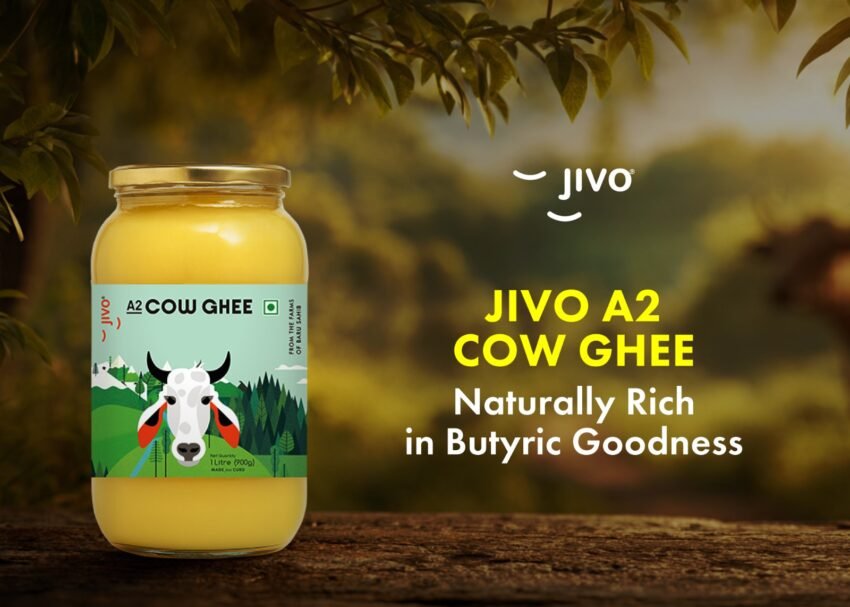
Ghee is a superfood relished for its distinct aroma and taste. The best ghee in India holds nutritional benefits that help improve health, especially gut health. Among its nutrients, ghee contains butyric acid, a short-chain fatty acid, that plays a vital role in the digestion process. Per 100 grams, ghee provides around 3-6 grams of butyric acid. Colon bacteria help in digestion by fermenting fiber to produce butyric acid, which then fuels colon cells, and butyric acid is what these bacteria feed on. Though ghee provides a smaller amount of butyric acid compared to what our body produces, its role is crucial to boost colon function.
What is Butyric Acid?
Butyric acid, also known as butanoic acid, is a natural short-chain fatty acid with four carbon atoms. It is one of the main short-chain fatty acids our gut produces. It has got a pungent smell in pure form, similar to butter that has turned rancid or aged cheese, as it is produced due to fermentation caused by the bacteria in the intestine.
The amount of butyric acid we consume through diet is less compared to what our body produces. It is the bacteria in the large intestine that help produce butyric acid from dietary fibers. In simple, butyric acid is formed in body due bacterial fermentation.
Foods like oats, beans, fruits such as apples and bananas, vegetables including carrots and onions, and whole grains provide the required dietary fibers to incept fermentation in the large intestine. When bacteria ferment these fibers, butyric acid is released along with other short-chain fatty acids like acetic and propionic acid.
This fatty acid serves as the main fuel for the cells lining our colon. These colon cells get about 60 to 70 percent of their energy from butyric acid, which keeps them healthy and active. In the absence of these fatty acids, the lining of the intestine weakens, which then is unable to prevent unwanted substance from passing through, causing medical heal issues.
Butyric acid also helps control swelling in the body by calming down overactive immune responses. It acts like a gentle regulator for the immune system, reducing excess inflammation that can lead to discomfort.
Beyond the gut, butyric acid influences other areas. It supports gene expression, meaning it helps turn certain genes on or off in a positive way. This can affect how cells grow, repair, and function throughout the body. In simple terms, butyric acid is a small but powerful molecule that connects what we eat to how our gut and overall health work. For many people in India who enjoy fiber-rich meals like dal, roti, and sabzi, this natural production happens daily. Adding the best ghee in India, especially A2 cow ghee, which is considered pure desi ghee, provides an extra quality supply of butyric acid, making digestion and related functions easier. Our body produces butyric acid but getting it through diet is an added advantage. So, make sure you get this from pure diet like the best A2 cow ghee in India.
Role of Butyric Acid in Ghee
Ghee brings butyric acid straight to our meals, especially from the best ghee in India – A2 cow ghee.
Although butyric acid is produced by the bacterial fermentation in the colon from dietary fiber, the type present in the pure ghee in India, especially A2 cow ghee, gets easily absorbed and digested.
When we consume ghee consistently in moderate amounts as part of a balanced diet, this butyric acid reaches the gut lining quickly and supports colon cells directly.
Consuming adequate amount of pure, bilona A2 cow ghee, provides steady energy to cells in the intestine that help in the digestion, making the process smooth and easy. Over weeks and months, this consistent intake of the best ghee in India, especially A2 bilona ghee, helps strengthen the lining of the intestine. This further helps in preventing conditions like bloating, or uneasiness after meals, including other digestive problems. Butyric acid from the best ghee in India, especially A2 bilona ghee, teams up with the natural supply of butyric acid to gut bacteria, thereby facilitating smoother digestion.
In Indian households, where the best ghee in India is spread over rotis, mixe into dal, or added to khichdi, it offers the real taste and digestive health naturally. The butyric acid helps maintain gut balance without overpowering other nutrients. Moderation keeps everything in check, so the body receives gentle support rather than excess fat. This ongoing contribution can lead to better nutrient absorption from meals, steadier energy levels, and a general sense of lightness in the stomach. For families relying on the best ghee in India, it is recommended to buy ghee that is produced through bilona method, especially A2 cow ghee, for digestive wellness and overall health, which you get from vitamins and nutrients present in ghee.
How much Butyric Acid is Present in Ghee?
Ghee contains a modest amount of butyric acid, though it varies slightly depending on the milk source and making process. On average, every 100 grams of ghee delivers about 3 to 6 grams of butyric acid. This equals roughly 3 to 6 percent of the total fat content.
Assessing the source, butyric acid is present in both cow and buffalo milk. In cow, it is usually low, ranging between 3 to 4 grams of butyric acid per 100 grams. While in buffalo milk, the presence of butyric acid is slightly more, around 5 grams or more. The difference in the amount of butyric acid is due to the composition of milk.
Butyric acid present is more in grass-fed cows because of their better feed quality. This is the reason why A2 cow ghee produced from Indian desi cows are more in demand.
In studies examining milk fats and clarified butter, butyric acid consistently appears as a key short-chain fatty acid in these ranges.
In fresh ghee, this acid stays bound within the triglycerides, so you do not notice any strong odor. A typical tablespoon of ghee, about 13 to 15 grams, provides roughly 0.4 to 0.9 grams of butyric acid. This modest quantity adds up nicely with daily use, especially when paired with fiber-rich foods that boost natural production. Choosing the best ghee in India, made through careful traditional methods, ensures you get this benefit without variations from poor processing. It is a small but steady contribution that complements what our gut already makes.
Health Benefits of Butyric Acid in Ghee
Butyric acid from ghee supports health in many ways, backed by research from trusted sources.
First, it acts as a primary energy source for colon cells, helping maintain a strong gut lining and reducing the risk of leaks that cause inflammation. Studies show that maintaining good levels improves gut barrier function and lowers swelling, which is helpful for conditions like irritable bowel syndrome. A research published in Clinical Nutrition confirms that butyrate help support intestinal function, promotes blood flow and gut motility in the colon.
It also calms body-wide inflammation by regulating immune responses and reducing pro-inflammatory signals. This can ease discomfort in joints or general fatigue linked to chronic low-level swelling. A review in Neuroscience Letters discusses butyrate’s role in neuroepigenetics, suggesting it protects brain function and promotes plasticity through high-fiber diets that raise butyrate.
For metabolic health, butyric acid aids blood sugar control and insulin sensitivity. People with type 2 diabetes often have lower butyrate-producing bacteria, and increasing it through diet shows promise in improving glucose handling.
In terms of colon protection, lab and animal work indicates butyric acid inhibits unwanted cell growth and promotes healthy turnover, potentially lowering colorectal risks when combined with fiber. It supports immune balance by strengthening the gut barrier against pathogens. Overall, while ghee provides a direct but modest amount, regular inclusion in a fiber-rich Indian diet amplifies these effects.
Butyric acid also positively impacts brain function. It is one of the beneficial short-chain fatty acids, especially sodium butyrate, that regulates gene expression in the brain. It exhibits beneficial effects related to neurodegenerative diseases and behavioral disorders.
Sourcing butyric acid from fiber-rich foods is not enough, pure ghee made from the milk of grass-fed desi cow offers quality nutrients, including butyric acid, is the one you need to look out for. Buy best ghee in India online of reputed oil brands like Jivo from Amazon for quality and safety.
Foods Rich in Butyric Acid
Many common foods have butyric acid in varying levels or stimulates its production in the intestine. The best source of butyric acid is dairy items, like the best A2 bilona cow ghee in India. Butter also contain some levels of butyric acid, while aged cheeses do contain concentrated amounts. Milk from cows, goats, or sheep provides smaller quantities. Ghee, especially pure ghee in India produced through bilona method stands out as the best and convenient source of butyric acid in Indian kitchens. Red meat includes traces too. Fermented foods such as sauerkraut also have some amounts of butyric acid.
The best way to naturally produce butyric acid in the body is by consuming fiber-rich foods, especially best type of ghee in India – A2 cow ghee produced through bilona method, made from the milk of grass-fed Indian cow breeds like Gir cows.
You can discipline your diet by including oats, barley, and whole grains in your meals to enhance fermentation in the gut. Legumes like beans and lentils are excellent. Fruits including apples, bananas, and apricots work great, as do vegetables like potatoes, carrots, onions, and asparagus. Cooled cooked rice or potatoes become rich in resistant starch after chilling. In everyday Indian meals, pair ghee with these—think dal with fiber-packed grains or sabzi with whole wheat roti.
Choosing the best ghee in India, especially bilona produced A2 cow ghee, ensures quality butyric acid without additives. Combining it with these foods creates a steady supply for gut bacteria, supporting better digestion and overall vitality.
How Much Ghee is Good for Health
The amount of ghee consumption depends upon on several criteria, like age, body needs, health condition, and the activity. Heart patients who are diagnosed with blocked arteries are generally not advised to consume ghee because ghee is high in saturated fats, which can further worsen the condition if consumed in excess. Moderation is the key for people with heart conditions.
The ideal amount of ghee varies by age, activity, and body needs, but moderation brings the best results. For most healthy adults with normal routines, one to two tablespoons per day, about 15 to 30 grams, works well. This provides nutrients without overloading fats. Active people or those with higher energy needs can go up to three tablespoons.
Children benefit from smaller portions, like one to two teaspoons daily, to support growth gently. Despite Ayurveda has a positive say, expecting mothers, before including ghee in their diet, should consider consulting a doctor or physician first.
People managing weight should start with one teaspoon and adjust based on how they feel.
In Ayurvedic tradition, ghee is valued for balancing doshas when used thoughtfully. Modern views align, suggesting it aids nutrient uptake from meals. Start small, perhaps drizzling on warm food, and observe digestion. The best ghee in India, pure and traditional, makes even modest amounts effective. Balance with veggies, grains, and movement for lasting benefits.
Best Ghee in India
India offers a rich variety of ghee, each featuring special qualities, including online offers on Amazon, Flipkart, and more. Cow ghee tends to be lighter and easier for daily use. Buffalo ghee feels richer and thicker, ideal for certain recipes. Goat ghee appears less often but carries a unique strength.
With so many ghee types in India, A2 cow ghee produced through bilona method, holds a special place. It comes from cows whose milk contains only A2 beta-casein protein, the traditional type found in native Indian breeds like Gir, Sahiwal, or Tharparkar. Unlike A1 protein in some modern breeds, A2 does not form a peptide that might cause digestive discomfort in sensitive people. This makes A2 cow ghee gentler on the stomach, supporting smoother digestion.
The best A2 cow ghee is made through bilona method, churning curd by hand after culturing, which preserves nutrients like vitamins A, D, E, and K, including beneficial fats. It has a golden hue, nutty aroma, and pure taste. Pure Desi Ghee in India often refers to, ghee produced sourcing milk from local desi cows fed on natural grass. The best ghee in India prioritizes A2 for its alignment with Ayurvedic principles and modern preferences for easy digestibility.
Many families in India are not switching to the best A2 cow ghee for children and elders, as consistent consumption reduces digestive issues like bloating. Grass-fed sources further enhance omega balance and butyrate levels. When shopping, look for the best ghee in India labeled A2 from trusted makers—these stand out for purity and wellness support. Pure Desi Ghee in India from A2 cows brings tradition and health together seamlessly.
Also Read: Understanding A1 vs A2 Cow Ghee: Which is the Best Ghee for Health in India?
Jivo A2 Cow Ghee – Best Ghee in India (Bilona Method)
Jivo A2 Cow Ghee stands as a reliable option in the market. Sourced from Gir cows, known for pure A2 milk, it is produced the traditional way – bilona method, involving slow hand-churning of cultured curd. This careful method retains natural aroma, flavor, and nutrients without chemicals or shortcuts.
Bilona method ensures the produce to be pure, holding rich nutty taste and smooth texture, perfect for everyday cooking. As one of the best A2 cow ghee in India choices, it may help promote digestion and improve overall wellness if consumed in moderation as part of a balanced diet. Try for a month and experience the benefits of the best ghee in India by Jivo, which stands for purity and traditional goodness.
Also Read: How the Best Ghee in India is Made: The Bilona Method Explained
Conclusion
By now we know what and how much importance butyric acid holds. In ghee, if A2 cow ghee, butyric acid may be very helpful in promoting efficient digestive functions and improving gut health. It provides the necessary energy and strength to the colon cells, which further helps in calming gut inflammation and aids metabolism.
Having ghee paired with fiber-rich food is an excellent way to trigger natural production of butyric acid in the gut.
Selecting the best ghee in India, especially A2 cow ghee produced through the traditional bilona method, ensures you get superior, pure quality for boosting health, specifically by enhancing butyric acid production to support gut health. This means you gradually develop efficient digestion.
Hence, it is important that your kitchen needs to have the best A2 cow in India. Make sure you buy the right ghee from the trusted oil brand in India like Jivo.
Jivo A2 cow ghee is gaining popularity because it holds on to traditional processing – Bilona Method, the only authentic method to produce pure desi ghee in India.