
Our body is capable of producing some fats on its own through a natural process called de novo lipogenesis. These include saturated fats like palmitic acid and stearic acid, as well as monounsaturated fats such as oleic acid. However, there are certain “essential” fats—like linoleic acid (omega-6) and alpha-linolenic acid (omega-3)—that the body cannot make. Because of this, we must obtain them from our daily diet. One of the most common and consistent sources of these essential fatty acids is the cooking oil we use every day.
Edible oil is a major and commonly used ingredient in Indian cooking. Health-conscious consumers switch to the best cooking oils in India, especially cold-pressed variant, to have these essential fatty acids daily. However, one needs to be aware of intake limitations. Excessive consumption of omega-6 linoleic acid may cause inflammation and increase the risk of cardiovascular diseases. Excess of anything causes problem. Elimination is not a solution, it’s the balance. Real benefits are obtained when there’s a right balance between omega-6 and omega-3.
Also Read: Choosing the Best Cooking Oils in India to Boost Your Omega-3 Intake Naturally
What Are Omega-6 Fatty Acids and Why They Matter
Polyunsaturated fats (PUFAs) are a type of fatty acids that contain more than one double bond in their chain. Omega-3 and omega-6 fatty acids fall under this category. These are essential fatty acids that the human body cannot produce on its own and must be obtained from the diet.
Linoleic acid is the primary omega-6 fatty acid and serves as a precursor to other important compounds such as gamma-linolenic acid (GLA), dihomo-gamma-linolenic acid (DGLA), arachidonic acid (AA/ARA), and eicosadienoic acid, which are involved in regulating inflammation, cellular structure, and metabolic health. It is linoleic acid that plays a key role in supporting overall health, including cell structure, skin health, and hormonal balance.
Omega-6 fatty acids also play a vital role in brain function and help the body repair itself after daily wear and tear. They are especially important for children’s growth and early development, supporting cell membrane structure and organ function.
Without sufficient omega-6 fatty acids, basic body processes may be affected. Therefore, it is important to include omega-6 fatty acids in the diet, but intake should be moderate and balanced with omega-3 fatty acids. One smart way of obtaining these essential fats is through the best cooking oils in India, containing heart-beneficial properties.
Can Too Much Omega-6 Increase Heart Disease Risk?
Even healthy nutrients can harm your body if taken in excess, and the same goes for omega-6 fatty acids. These fats are essential, but if they are not balanced with omega-3s or consumed in large amounts, they can affect your heart and overall health.
When your daily intake of omega-6 comes mostly from cooking oils, especially refined oils, overconsumption can trigger inflammation in blood vessels. Over time, this inflammation can stiffen arteries and reduce blood flow, increasing the risk of heart problems.
Many refined oils are high in omega-6 but low in omega-3, and some also contain saturated fats. While replacing saturated fats with polyunsaturated omega-6 is generally beneficial, problems arise when omega-6 intake becomes excessive and the balance with omega-3 is lost.
In India, our diets often include repeated use of the same cooking oils in fried snacks and restaurant foods, which can push omega-6 levels higher than needed. Too much omega-6 without enough omega-3 can make blood thicker and promote tiny clots, quietly raising heart disease risk over time.
The good news is that small, mindful changes can help. Choosing the best cooking oils in India for heart health, using them in moderation, and including omega-3-rich foods can restore balance and protect your heart.
Common Cooking Oils High in Omega-6 Fatty Acids
The Indian consumer market offers a variety of cooking oils with varying fat compositions, ranging from refined to cold-pressed oils, each with a different nutritional profile. Some are high in monounsaturated fats, while others are rich in polyunsaturated fats, especially omega-6 fatty acids.
Here are some of the best cooking oils in India with higher levels of omega-6 fatty acids.
Sunflower Oil
Sunflower oil is very popular in Indian kitchens for its light taste and high smoke point. It is also one of the richest sources of omega-6 fatty acids, with about 60 g per 100 g. Using it for multiple meals every day can quickly add up.
Safflower Oil
Safflower oil is less common but contains an even higher amount of omega-6, roughly 70 g per 100 g. It is occasionally used in cooking or for salad dressings, but its high omega-6 content makes it important to use in moderation.
Corn Oil
Corn oil is widely used in packaged foods and some street-side cooking. Its omega-6 content is around 55 g per 100 g, making it another significant source of this fatty acid in the diet.
Sesame Oil
Sesame oil is cherished for its nutty flavor, especially in South Indian and other regional dishes. It contains approximately 42 g of omega-6 per 100 g, which is lower than sunflower or safflower but still substantial.
Peanut (Groundnut) Oil
Peanut oil is commonly used in many Indian households. It has about 50 g of omega-6 per 100 g, making it moderate to high in omega-6.
The Importance of Omega-6 to Omega-3 Ratio
Maintaining a proper balance between omega-6 and omega-3 fatty acids is essential for cardiovascular health. Early human diets naturally kept this ratio around 4:1 or lower, but modern eating habits, especially in many Indian cities, have shifted the balance to 15 or 20:1 due to the widespread use of certain cooking oils.
A balanced omega-6 to omega-3 ratio helps reduce inflammation and supports healthy blood vessels. Excessive omega-6 intake can promote the formation of compounds that contribute to arterial stiffness, while omega-3 fatty acids counteract these effects and support normal heart rhythm.
Experts recommend targeting a ratio of approximately 4:1 or lower. In practical terms, this means including omega-3-rich foods such as flax seeds, walnuts, fatty fish, and mustard oil. Choosing the best cooking oils in India that provide a healthier balance of fats can also help maintain an optimal ratio and support long-term heart health.
Simple dietary adjustments, like adding a handful of flax seeds to breakfast or selecting healthier oils for cooking, can help restore balance and reduce the risk of cardiovascular complications over time.
How to Maintain a Healthy Balance of Omega-6 and Omega-3
It is important to maintain a healthy balance between omega-6 and omega-3 fatty acids for overall health. You can do this by making a few simple changes in your daily diet. It is recommended not to rely on just one type of oil. Try rotating oils or blending oils with different fat profiles based on your cooking needs. Including foods like flax seeds, walnuts, and fatty fish in your meals a few times a week can also help improve the balance. Using a small amount of mustard oil in regular cooking is another option. Food prepared outside is often cooked in reused oils, which may increase omega-6 intake. Cooking at home allows better control over both the type and amount of oil used.
Maintaining this balance over time helps support heart health while keeping your meals simple and familiar. Choosing the best cold-pressed oils in India can further help you maintain a better fat balance in your daily cooking.
Scientific Studies on Omega-6 and Cardiovascular Health
There is an ongoing debate about the effects of omega-6 fatty acids. Some research and expert reviews suggest that they can be beneficial for heart health, as they may help reduce risk factors linked to heart disease. However, other studies raise concerns about excessive consumption, especially when not balanced with enough omega-3 fatty acids, as this may negatively affect blood vessels. This concern is often linked to high levels of linoleic acid found in refined seed oils. However, the issue is not omega-6 alone, but the imbalance between omega-6 and omega-3 intake. Maintaining a healthy balance between the two is considered important for supporting normal blood flow and overall heart health.
Whether omega-6 is beneficial, the debate still continues among experts. However, there is a consensus that excess intake of omega-6 PUFA from refined oils increases the risk of heart disease. Hence, it is important to switch to the best cold-pressed oils in India with low saturated fat, a healthy fat profile, and heart-beneficial properties, like those found in canola oil.
Scientific evidence suggesting limiting omega-6 intake:
- A minireview journal recommends lowering consumption of linolenic acid (omega-6), around 1% to 2% of energy intake to reduce the risk of cardiovascular disease.
- Some research hypothesizes that linoleic acid, an omega‑6 fatty acid found in LDL (low-density lipoprotein) cholesterol, can be prone to oxidation. A higher intake of omega‑6 linoleic acid from industrial vegetable oils might contribute to coronary heart disease through these oxidation processes, although this remains a hypothesis rather than a confirmed fact.
Scientific evidence suggesting promoting omega-6 intake:
- The Harvard Health Newsletter supports consumption of omega-6 fatty acids, claim to reduce harmful LDL cholesterol levels and boost HDL levels.
- The Science Daily affirm that supplementing diet with omega-6 PUFA positively effects heart health by lowering bad (LDL) cholesterol and raising good (HDL) cholesterol levels.
Tips for Cooking with Omega-6 Rich Oils in Limit
Its recommended switching to cleaner, naturally extracted oils, especially cold-pressed oils, as these oils retain nutrients. But there’s a healthy way of using these oils.
- First, keep the quantity small. One or two teaspoons per person per meal is enough.
- Second, never reuse the same oil for frying multiple times because reheating changes the fat composition, degrades producing harmful compounds.
- Third, blend oils wisely. Combine a high omega-6 oil like, sunflower oil, with mustard or extra virgin oil for better balance.
- Fourth, choose cooking methods that need less oil like steaming grilling or slow cooking in a pressure cooker.
- Fifth, for flavour, prefer adding ghee along with spices or herbs instead of pouring extra oil.
- Sixth store oils in cool dark places so they stay fresh and do not oxidise.
Follow the above steps to balance the fats and maintaining the omega-6 and omega-3 ratio. Try using the best cold-pressed oils in India, like canola oil or kachi ghani mustard oil, for better results.
Best Cooking Oils in India for Heart Health
When it comes to best cooking oils in India for heart health, many families now look for options that support daily cooking without extra omega-6. Mustard oil stands out for its traditional use and favourable fat mix. Cold pressed versions keep more natural goodness intact. Peanut oil works well for high heat and brings a familiar taste to many dishes. A touch of coconut oil adds stability in South Indian recipes. Ghee in small amounts brings its own set of benefits too. The secret lies in picking fresh good quality bottles and rotating them so no single type dominates your meals. Cold-pressed canola oil is considered to have heart-friendly properties and may help in maintaining healthy cholesterol levels.
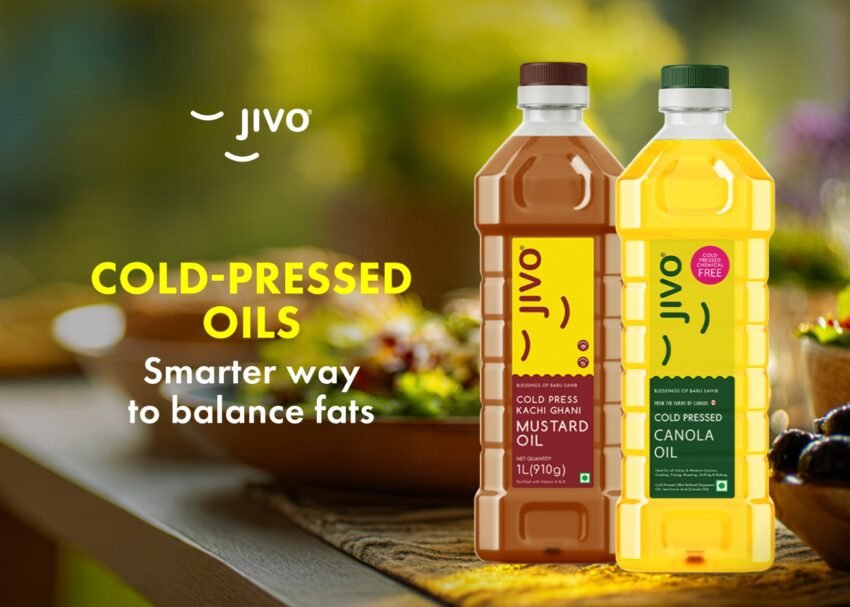
Jivo is a well-known oil brand in India and has a strong presence in the cold-pressed segment. It is among the leading brands offering cold-pressed canola oil in the country.
Why Jivo Cold-Pressed Canola Oil?
- Lowest saturated fat
- High in Monounsaturated fat
- Contains balanced omega-6 and omega-3 ration
- Fortified with vitamins A and D
Conclusion
Omega-6 fatty acids are not harmful to the heart if consumed in moderation and rightly balanced with omega-3. They are essential for the body. Saying no to omega-6 is not the solution. Balance and moderation are the right way to include them in your diet.
Choose the best cold-pressed oils in India that have a balanced omega-6 and omega-3 ratio to support heart health and help manage inflammation. You can try Jivo cold-pressed oils, especially canola oil, which offer low saturated fat, balanced fats, and are naturally extracted.
Also Read: Top Cooking Oils Rich in Omega-9 – Health Benefits & How to Use Them