
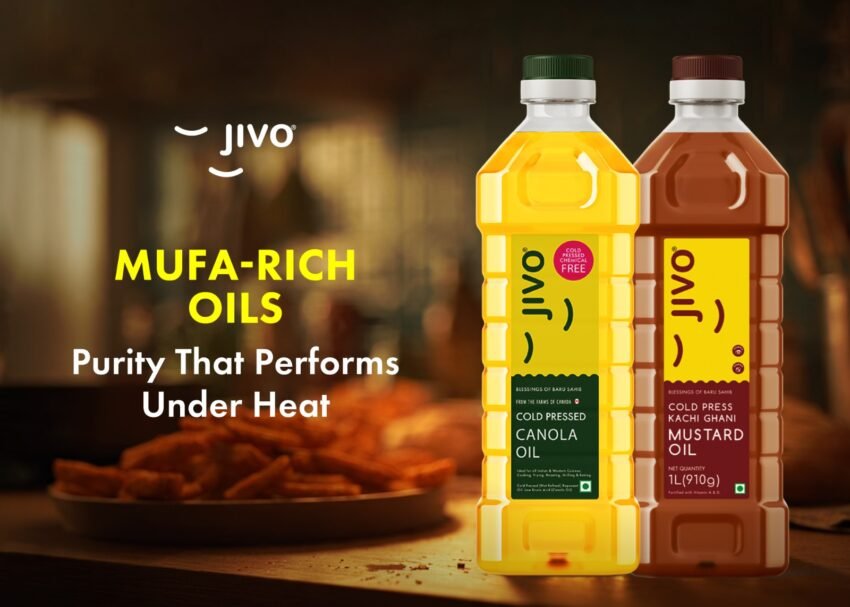
Searching for the best cooking oils in India and preparing meals using them ensures healthy cooking. But when these cooking oils are repeatedly heated, even the healthiest oils in India turn toxic. Repeated heating of cooking oils causes oxidation, killing nutrients and forming harmful compounds. Consistent consumption of oxidized cooking oils can make them carcinogenic, i.e., linked to cancer.
Whether you use the best cooking oils or the healthiest oils in India, repeated heating depletes nutrients, and the meals prepared are not healthy.
What Happens When Cooking Oil Is Reheated Repeatedly?
Reusing cooking oil is a common practice in Indian kitchens. It is an economical method. But as awareness increases, the potential drawbacks of reusing cooking oils surface.
The Times of India reports that repeated heating of cooking oil causes the breakdown of triglycerides, leading to the formation of harmful compounds like aldehydes and free radicals.
The Indian Express, in one of its publications, mentions the adverse health impacts of consuming repeatedly heated vegetable oils, such as increased risks of cardiovascular disease and cancer. The publication further highlights the harmful compounds—polycyclic aromatic hydrocarbons (PAHs), aldehydes, and acrylamide—formed through a series of chemical reactions.
Degradation of oil does not take place immediately after heating it twice or thrice. The breakdown happens when the oil is reused multiple times. Reusing oil multiple times means reheating it again and again.
Degradation of oil means the destruction of healthy unsaturated fatty acids. These healthy fats have double carbon bonds and are weak at these points. The bonds tend to break when in contact with oxygen, forming aldehydes, ketones, and other harmful compounds. This process is known as oxidation, which turns the oil rancid.
The next is water-induced breakdown, known as hydrolysis. When the oil comes in contact with moisture from food or steam, triglycerides break down into free fatty acids and glycerol. This increases the acidity of the oil and lowers its smoke point.
Deep frying and repeated heating cause free radicals and broken fatty acids to recombine, forming large, complex molecules known as dimers or polymers, which are major components of Total Polar Materials (TPM). Polymers and dimers make the oil sticky, thick, and dark. This type of degradation is heat-induced and is known as polymerization.
Repeated heating degrades even the best cooking oils in India that are sold as high-heat oils.
Oxidation, hydrolysis, and polymerization are the three degradation processes of cooking oil that occur when oil is repeatedly heated.
Reusing oil is economical, but it is very unhealthy. Most nutrients are destroyed, leaving behind harmful compounds that cause heart disease and cancer.
Health Risks of Reusing Cooking Oils
Developing cancer is one of the major risks of consuming reused oils that are repeatedly heated, as confirmed by the ICMR. Repeatedly heated cooking oils are a common medium for preparing meals, especially deep-fried foods, in many Indian kitchens. The concern is not about cooking; rather, it is about the repeated heating of oil. Harmful compounds form due to repeated heating, but the most dreaded is the formation of carcinogenic polycyclic aromatic hydrocarbons (PAHs). These are organic carbon compounds, toxic in nature, formed through oxidation and polymerization, and they tend to increase in concentration every time the oil is reheated. They have the potential to damage DNA and are linked to an increased risk of cancer.
The IARC Monographs Programme, on reviewing 60 types of polycyclic aromatic hydrocarbons (PAHs) in an experiment, found benzo[a]pyrene to be carcinogenic, i.e., it has cancer-causing properties in humans. When cooking oil is heated repeatedly and meals are prepared, the chances of intake of benzo[a]pyrene increase.
Consuming meals prepared in oils that have been reused multiple times increases the dietary intake of carcinogenic PAHs like benzo[a]pyrene. Research has associated frequent consumption of these oils with colorectal cancer, breast cancer, prostate cancer, gastrointestinal cancer, and oral cancer.
Even inhalation of fumes generated by heating cooking oil at high temperatures can increase the risk of lung, laryngeal, and tracheal cancers.
Repeatedly heated cooking oils not only increase the risk of cancer but also adversely affect heart health. Once cooking oil is heated multiple times, nutrients are completely depleted, fatty acids break down, and harmful compounds are formed. These changes are caused by thermal oxidation, which means degradation caused by high heat. This high-heat degradation converts even the healthiest oils in India into a toxic chemical cocktail, impacting cardiovascular health.
Thermal oxidation causes unsaturated fatty acids in cooking oils to break down when reheated repeatedly and when in contact with moisture. This breakdown of fatty acids is also known as lipid oxidation. Repeated heating of cooking oil is one of the major causes of fatty acid degradation, leading to the formation of harmful compounds like trans fats, aldehydes, total polar compounds, free radicals, and polycyclic aromatic hydrocarbons. These are key harmful compounds that raise bad cholesterol levels, promote vascular inflammation, damage blood vessels, and lead to plaque buildup, thereby increasing the risk of heart disease.
Also Read: Trans Fats in Cooking Oil are a Health Menace
Which Cooking Oils Break Down Faster When Reheated?
Many people don’t notice the nutritional information while buying the best cooking oils in India for heart health and overall wellness. They often buy oil based on overstated benefits and frequently shown ads on OTT platforms. Checking the ingredient section is important, as it shows the nutrient break-up of the cooking oil. Some cooking oils are high in monounsaturated fats (MUFA), while others are rich in polyunsaturated fats (PUFA). Cooking oils that are high in PUFA are more prone to faster degradation. PUFA-rich cooking oils have multiple double bonds, making them highly unstable. When these types of oils are heated at high temperatures or repeatedly heated, the bonds react quickly and break down, turning the oil rancid.
Here are some of the cooking oils that are high in polyunsaturated fats (PUFA) and need to be used carefully by controlling the temperature.
Sunflower Oil
Refined sunflower oil has a high smoke point, which is around 225 to 232 degrees Celsius. This oil is high in polyunsaturated fats, specifically linolenic acid, which makes it more prone to degradation when repeatedly heated. When reused and heated again and again, the bonds break, causing degradation of the oil and turning it rancid. Harmful compounds are also formed, which adversely impact health.
Safflower Oil
Safflower oil is similar to sunflower oil in composition. It has a smoke point that can go up to 230 degrees Celsius. This oil has a high polyunsaturated fat content, which makes it unstable during repeated heating. Over time, it breaks down and releases free radicals, which are not ideal for health.
Soybean Oil
Soybean oil has a moderate smoke point, which is around 230 degrees Celsius. It contains PUFA omega-3 and omega-6 fatty acids, particularly linoleic and linolenic acids, which are highly susceptible to oxidation and thermal breakdown at high temperatures. When heated repeatedly, unsaturated bonds react with oxygen, moisture, and heat, causing the breakdown of triglycerides that further degrades the oil’s quality.
Corn Oil
Corn oil also has a smoke point of around 230°C, making it seem suitable for frying. However, like other vegetable oils, it is rich in polyunsaturated fats. Repeated heating causes these fats to break down, reducing oil quality and increasing the risk of harmful chemical formation.
Grapeseed Oil
Grapeseed oil is often known for its high smoke point, which is around 215 to 220 degrees Celsius. What makes it more susceptible to degradation is the presence of high levels of polyunsaturated fats, specifically linoleic acid, which is around 50–60%, making it highly sensitive to thermal oxidation. Repeated heating causes oxidation, breaking the bonds, which further degrades the oil and leads to the formation of harmful compounds.
For better stability, oils with more monounsaturated or saturated fats tend to handle heat and reuse more effectively.
Why Choose MUFA-Rich Oils
The best cooking oils in India are those with high levels of monounsaturated fats. Having MUFA dominate the fat profile helps better resist oxidation. This is because they have fewer double bonds in their chemical structure, which makes the oil more resistant to high heat and oxygen. Having higher levels of MUFA ensures more heart-beneficial properties owing to the presence of oleic acid. But this does not make these oils immune to degradation. If heated repeatedly, multiple times, even high-MUFA oils break down, forming harmful compounds.
Healthy cooking oils high in monounsaturated fats and best for high-heat cooking.
Cold-Pressed Canola Oil
Known for its lowest saturated fat content and high monounsaturated fat levels, canola oil has emerged as one of the best cooking oils for heart health in India. Its cold-pressed version attracts health-conscious individuals and chefs, owing to its natural extraction process and retention of nutrients. This oil has a high smoke point, ranging between 200 to 240 degrees Celsius, which makes it a suitable oil for high-heat cooking. If meals are prepared while maintaining ideal temperature levels and not exceeding the smoke point, the oil won’t degrade. High MUFA levels help resist degradation and help contribute to the maintenance of normal blood cholesterol levels when consumed in moderation as part of a balanced diet. For high-heat cooking and maintaining heart health, cold-pressed canola oil is one of the best cooking oils in India.
Cold-Pressed Mustard Oil
Mustard oil is one of the best cooking oils in India and is used in most Indian kitchens. This is a traditional cooking oil with multipurpose use. Indian families trust mustard oil owing to its health benefits and cooking versatility. However, cold-pressed mustard oil is gaining more popularity in India because of its clean extraction process and nutritional profile. Cold-pressed mustard oil has a high smoke point of up to 250 degrees Celsius and is best suited for deep frying and high-heat cooking. The oil withstands high temperatures without degrading and maintains stability owing to the presence of high levels of monounsaturated fats. Mustard oil exhibits antioxidative and anti-inflammatory properties, making it a preferred oil for heart health. Research suggests that cold-pressed kachi ghani mustard oil contains compounds that are beneficial for heart health. This oil performs well even at high temperatures without breaking down due to high MUFA levels. Cold-pressed kachi ghani mustard oil holds the potential to revive overall wellness and enhance the flavours of dishes while maintaining temperature balance. This helps prevent oxidation and the formation of harmful compounds.
Also Read: Choosing the Best Cooking Oils in India to Boost Your Omega-3 Intake Naturally
How Many Times Can You Safely Reuse Cooking Oil?
Reusing cooking oil is quite common in India, especially when deep frying is involved. But what’s important to know is how many times you can reuse it. Even the best cooking oils in India, or the healthiest oils, degrade when repeatedly heated, losing their nutritional profile. At times, harmful compounds are also formed, causing severe heart-related health complications. If the cooking oil is handled properly, i.e., properly filtered after use, you may use it once or twice. At no point should the oil be heated beyond its smoke point; otherwise, harmful compounds remain and are not removed even after filtering.
Reusing oil once or twice may be acceptable under controlled conditions. But do not make it a habit, as it may do more harm than good.
Choosing the best cooking oils in India is a good starting point for healthy cooking, but how you use and reuse that oil matters just as much.
Also Read: Which Oils are Best for High Heat Cooking in India?
Signs Your Cooking Oil Has Gone Bad
Even if you have the best cooking oils in India, there’s no guarantee that your cooking oil will stay good forever, especially after repeated heating. The quality of the oil, especially its nutrients, depletes, and it develops a rancid taste when repeatedly heated and consumed.
Here are some vital signs that indicate the oil has gone bad:
- Bad smell: If the oil smells sharp, burnt, or rancid, it’s gone bad.
- Dark colour: Reused oil becomes darker in appearance.
- Thick or sticky texture: Thickness and stickiness are signs of reused oil.
- Foaming while heating: Too many bubbles or foam on the surface is a warning sign.
- Smoking early: If the oil starts smoking faster than usual, it means it has already degraded.
FAQs
What happens when oil is heated repeatedly?
Repeated heating breaks down oil into harmful compounds like free radicals and trans fats. This reduces its nutritional value and can make the oil toxic over time.
Is reheating cooking oil bad?
Yes, reheating cooking oil is unhealthy as it leads to oxidation and the formation of harmful chemicals. These compounds can negatively impact heart health and digestion.
Does cooking oil cause cancer?
Cooking oil itself doesn’t cause cancer, but repeatedly heated oil can release carcinogenic substances. Long-term consumption of such oil may increase health risks.
What oils are carcinogenic?
No cooking oil is inherently carcinogenic, but any oil can form harmful compounds when repeatedly overheated. Oils rich in polyunsaturated fats (like sunflower or soybean oil) are more prone to breakdown under high heat, leading to toxic byproducts.
Which oil is best for cardiac patients?
Cold-pressed oils like canola, olive, and mustard oil are considered heart-friendly. They contain healthy fats that help manage cholesterol levels.
Does oil lose its benefits when heated?
Yes, excessive heating destroys essential nutrients and antioxidants in oil. It also alters the fat composition, making it less healthy.
Can I use the same oil to fry twice?
It’s best to avoid reusing oil multiple times, especially for deep frying. If reused, it should be limited and filtered, but frequent reuse can be harmful to health.
Conclusion
Buying the best cooking oils in India and using them mindfully are two different aspects. Reusing healthy oils will not offer the required nutrients, as most are depleted due to oxidation. Consuming oils that are repeatedly heated can impact health, as these oils may form harmful compounds. Cancer and heart problems are linked to the harmful compounds formed due to repeated heating. To stay healthy, it is important to choose the best cold-pressed oils in India from reputed brands like Jivo and use them wisely.
You can try Jivo cold-pressed canola oil and kachi ghani mustard oil, as these are naturally extracted, fortified with vitamins A and D, and rich in monounsaturated fats. These healthy oils in India may be good for heart health and are best for high-heat cooking, as they maintain stability without degrading.
Also Read: Cooking Oils and Recipes in India Best in Summer 2026