
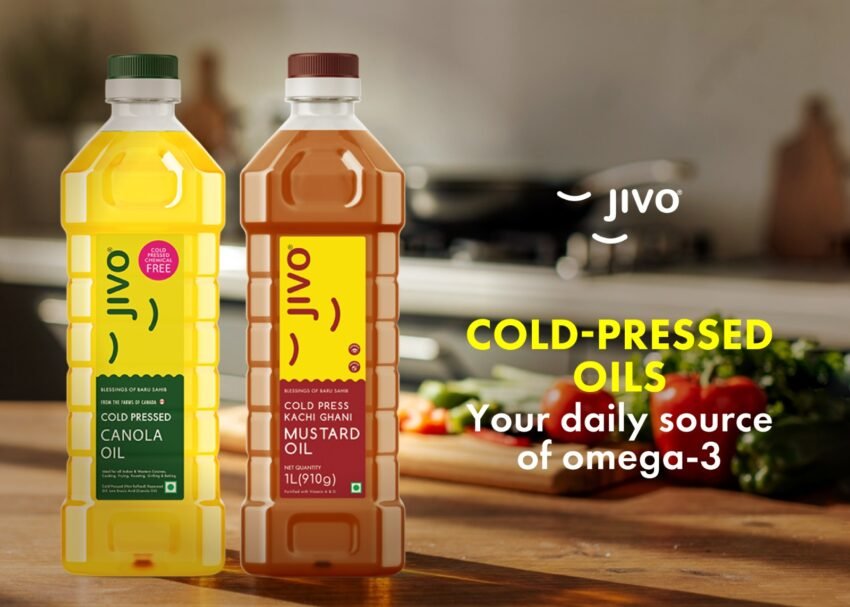
Omega-3 is essential for overall health and cannot be produced by the human body on its own. The best cooking oils in India, especially cold-pressed oils, naturally provide it with a healthier omega-6 to omega-3 balance. Choose cold-pressed canola oil and kachi ghani mustard oil for the natural benefits of omega-3 fatty acids.
Are You Getting Enough Omega-3 in Your Daily Diet?
Most of the Indian population are worried about diabetes, high blood pressure, obesity, and major health-related issues. Rare are concerned about the adequate intake of essential fatty acids, especially omega-3. Its so because, very few actually know what omega-3 fatty acids are. And those who know, get it either through the best cooking oils in India – cold-pressed, or from natural omega-3 food sources like fish.
Human body is not capable of producing of omega-3 fatty acids on its own, hence, it needs to be included in our diet through quality sources. Omega-3s are very important and our body needs it to perform many vital functions.
Our heart needs it. Our brain depends on it. Our eyes, skin, joints, and even our mood are connected to it.
Still, our modern eating habits are quietly reducing omega 3 intake. Refined foods, packaged snacks, repeated frying, fast food culture, and poor food balance are becoming common. At the same time, intake of omega 3 rich foods remains low.
The result is simple.
Many people may not be getting enough omega 3 fatty acids regularly.
The problem is that omega 3 deficiency does not suddenly hit like fever or food poisoning. It builds slowly. The signs are often ignored because they look like everyday problems people have become used to.
Dry skin. Constant tiredness. Poor focus. Joint discomfort. Mood changes. Eye dryness.
People rarely connect these issues with nutrition.
Let us understand what really happens when your body does not get enough omega 3 fatty acids and what are the best cooking oils in India that provide omega-3 naturally.
What Are Omega 3 Fatty Acids?
Omega 3 fatty acids are healthy polyunsaturated fats (PUFA) that the body needs for proper functioning.
They are called essential fatty acids because the body cannot produce enough of them naturally. This means they must come from food.
There are three important types of omega 3 fatty acids.
ALA
ALA, also known as Alpha Linolenic Acid, is mainly found in plant-based foods like flaxseeds, chia seeds, walnuts, soybeans, and certain oils.
EPA
EPA, known as Eicosapentaenoic Acid, is mainly found in fatty fish and seafood.
DHA
DHA, or Docosahexaenoic Acid, is also found mostly in fish and is extremely important for brain and eye health.
The body can convert some ALA into EPA and DHA, but the conversion is limited. That is why regular intake of omega 3 rich foods matters.
Even the best cooking oils in India do not naturally contain significant amounts of EPA and DHA, as these omega-3 fatty acids are primarily found in marine sources such as fish oil and algal oil. However, many plant-based cooking oils naturally contain ALA (Alpha-Linolenic Acid), a plant-based omega-3 fatty acid.
Why Omega 3 Is Important for the Body
Omega 3 fatty acids are part of cell membranes throughout the body. They help support communication between cells and play a role in several important functions.
Omega 3 is linked with:
- heart health
- brain function
- eye health
- skin nourishment
- inflammation balance
- joint comfort
- hormone activity
- nerve function
Your brain itself contains a large amount of fat, and DHA is one of its important structural components.
This is why low omega 3 intake may affect mental sharpness, concentration, and overall brain function over time.
Signs You May Not Be Getting Enough Omega 3
Many people do not realize that their everyday discomforts may be connected with nutritional imbalance.
Omega 3 deficiency symptoms are often subtle in the beginning.
Dry and Irritated Skin
Skin health is one of the first places where poor fat intake may show up.
If your skin feels rough, flaky, itchy, or unusually dry despite using moisturizers, your diet may deserve attention.
Omega 3 helps support the skin barrier and helps the skin retain moisture naturally.
Some people also notice dull hair and increased dryness in the scalp when healthy fat intake is poor.
Constant Fatigue and Low Energy
Many people today feel mentally and physically tired even after proper sleep.
Of course, stress and lifestyle matter. But nutrition matters too.
Omega 3 fatty acids support normal cellular function. Low intake may contribute to feelings of low energy, mental exhaustion, and poor recovery.
Poor Focus and Brain Fog
Difficulty concentrating has become extremely common today.
People often blame mobile phones and stress, which is fair. But nutrition should not be ignored.
DHA is important for brain structure and communication between brain cells.
Some people with low omega 3 intake experience:
- poor concentration
- forgetfulness
- slower thinking
- lack of mental clarity
- reduced attention span
This condition is often described as brain fog.
Mood Changes and Emotional Imbalance
Nutrition and mental wellbeing are deeply connected.
Research has explored links between omega 3 intake and emotional health for years. Scientists are still studying the full connection, but low omega 3 intake has been associated with mood related concerns in some people.
This does not mean omega 3 is a magic cure for emotional problems. Real mental health conditions require proper medical care.
Still, the brain needs healthy fats to function properly. Ignoring nutrition completely while discussing mental wellbeing makes little sense.
Dry Eyes and Eye Discomfort
The eyes also depend on healthy fats for proper functioning. Omega-3 deficiency is related to dry eyes.
People with low omega 3 intake sometimes complain of:
- dry eyes
- burning sensation
- irritation
- discomfort during screen use
Long screen exposure already strains the eyes. Poor nutrition may make things worse.
Increased Joint Discomfort
One of the most discussed benefits of omega 3 fatty acids is their role in supporting a healthy inflammatory response.
Many modern diets are overloaded with processed foods and unhealthy fats while lacking balance.
When omega 3 intake stays low for long periods, some people may experience increased stiffness or discomfort in joints.
This is one reason omega 3 rich diets are often recommended as part of a healthy lifestyle.
Omega 3 and Rheumatoid Arthritis
This is an important topic that deserves attention.
Rheumatoid arthritis is an autoimmune condition where the immune system attacks the joints, leading to pain, swelling, stiffness, and inflammation.
Research has shown that omega 3 fatty acids may help support joint health in people with rheumatoid arthritis as part of an overall balanced lifestyle and medical treatment plan.
Some studies suggest omega 3 may help:
- support joint comfort
- reduce morning stiffness
- support inflammation balance
This is one reason doctors and nutrition experts often discuss omega 3 intake while talking about joint health and rheumatoid arthritis.
That does not mean omega 3 can cure rheumatoid arthritis.
It cannot replace medical treatment.
Still, proper nutrition may help support overall joint wellbeing, especially when combined with professional care, healthy eating habits, physical activity, and weight management.
Unfortunately, many Indian diets today are heavily dependent on refined oils and processed foods while being low in omega 3 rich foods. This imbalance may not support long term joint health.
Health Risks Linked with Low Omega 3 Intake
The effects of low omega 3 intake are not limited to dryness or tiredness.
Long term nutritional imbalance may affect overall health in deeper ways.
Heart Health Concerns
Omega 3 fatty acids are widely known for their connection with heart health.
Research suggests omega 3 may help support healthy triglyceride levels and normal cardiovascular function.
On the other hand, diets overloaded with trans fats, deep fried foods, repeatedly heated oils, and processed snacks may negatively affect heart health over time.
This is why health experts often recommend increasing intake of natural omega 3 rich foods instead of depending heavily on ultra-processed foods.
Poor Fatty Acid Balance
Many Indian diets contain extremely high amounts of omega 6 fats from refined vegetable oils and packaged foods.
Now understand this carefully.
Omega 6 is not the enemy.
The real problem is imbalance.
When omega 6 intake becomes excessively high while omega 3 intake stays very low, the body may struggle to maintain a healthier fatty acid balance.
This is why many nutrition experts encourage improving omega 3 intake naturally.
Brain and Cognitive Health
The brain depends heavily on healthy fats.
Long term low intake of omega 3 may affect cognitive health over time, especially when combined with poor sleep, stress, sedentary lifestyle, smoking, and unhealthy eating patterns.
Researchers continue studying how omega 3 may influence memory, ageing, and brain function.
Pregnancy and Child Development
Omega 3, especially DHA, is important during pregnancy because it supports brain and eye development in babies.
This is why pregnant women are often advised to include omega 3 rich foods after discussing with their healthcare provider.
Can Too Much Omega-6 from Cooking Oils Raise Heart Disease Risk?
Why Omega 3 Intake Is Often Low in India
This issue is becoming increasingly common.
Traditional Indian food habits once included more natural and seasonal foods. Today many households depend heavily on:
- refined oils
- packaged snacks
- fast foods
- repeated frying
- low intake of seeds and nuts
Seafood consumption is also limited in many parts of India.
Another issue is fear of fats.
Many people still believe all fats are harmful and avoid them completely while consuming biscuits, namkeen, and processed snacks daily without hesitation.
Healthy fats and unhealthy fats are not the same thing.
The body needs healthy fats in reasonable amounts.
How Much Omega 3 Do You Need Daily?
According to dietary recommendations, adult men generally require around 1.6 grams of ALA omega 3 daily, while adult women need around 1.1 grams.
Pregnant and breastfeeding women may require different amounts.
The focus should not be on chasing perfect numbers every day.
Consistency matters more.
Small daily intake of omega 3 rich foods is usually more beneficial than ignoring nutrition for months and suddenly taking large supplement doses.
Best Natural Sources of Omega 3 Fatty Acids
Improving omega 3 intake does not always require expensive imported supplements.
Several natural foods can help.
Fatty Fish
Fish like salmon, sardines, and mackerel are rich in EPA and DHA.
Flaxseeds
Flaxseeds are among the best vegetarian sources of omega 3 fatty acids.
Chia Seeds
Chia seeds contain omega 3 along with fibre and minerals.
Walnuts
Walnuts are convenient and naturally rich in healthy fats.
Soybeans
Soybeans provide plant based omega 3 along with protein.
Best Cold Pressed Oils in India That Naturally Contain Omega 3
Cooking oil choice also matters more than many people realize.
Some oils contain better fatty acid profiles than others.
Cold Pressed Flaxseed Oil
Flaxseed oil is one of the richest plant based sources of omega 3.
Because it is sensitive to high heat, many people use it after cooking or in salads instead of deep frying.
Cold Pressed Mustard Oil
Mustard oil has been used in Indian kitchens for generations.
It contains a better omega 3 to omega 6 balance compared to several commonly used refined oils.
Cold pressed mustard oil also undergoes less processing, which helps preserve natural compounds.
This the best oil for cooking at high temperatures and good for health too. Buying the best cold-pressed kachi ghani mustard oil from reputed oil brand in India is highly advised.
Cold Pressed Canola Oil
Cold-pressed canola oil contains moderate amounts of omega 3 and is often considered a balanced cooking oil option. It is also low is saturated fat and is considered the best cooking oil for heart health in India.
Best cooking oil in India with Lowest Saturated Fat for Heart Health
Cold Pressed Soybean Oil
Soybean oil contains some omega 3, although quality and processing method matter greatly.
Heavily refined oils may not offer the same nutritional quality as less processed cold pressed oils.
Cold-pressed soyabean oil categorize under healthy cooking oils in India owing to its balanced fatty acid composition.
Choosing the Best Cooking Oil in India: Is Soyabean Oil the Healthiest Oil for Indian Kitchens?
Why Many People Prefer Cold Pressed Oils
Cold pressed oils are extracted with minimal heat.
Because of this, they may retain more natural nutrients and fatty acids compared to heavily refined oils.
Many people today are moving back toward traditional oil extraction methods because they want less processed food choices.
That said, no oil alone can fix a poor diet.
Overall eating habits matter far more.
https://blog.jivo.in/what-are-cold-pressed-oils-how-do-these-best-oils-benefit-health/
Should You Take Omega 3 Supplements?
Supplements can help in some situations, but they are not magic pills.
Many people continue eating poorly while depending entirely on capsules.
That approach rarely works well.
Food should remain the foundation.
Supplements may be useful when recommended by a healthcare professional, especially for people with specific dietary limitations or health concerns.
More is not always better.
Simple Ways to Improve Omega 3 Intake Naturally
You do not need an extreme diet plan.
Simple daily habits can help a lot.
- Add flaxseed powder to curd or roti dough
- Eat walnuts regularly
- Include seeds in breakfast
- Choose healthier cooking oils
- Reduce ultra-processed snacks
- Avoid repeatedly reheating oil
- Eat fatty fish if you consume seafood
Small consistent improvements work better than temporary diet trends. Aim for naturally including omega-3 in your diet by choosing the best cooking oils in India with balanced fatty acids, and through healthy diet intake including marine foods like fish.
Conclusion
Omega 3 fatty acids quietly support many important functions inside the body, yet they are often ignored in modern diets.
When intake remains low for long periods, the effects may slowly appear through dry skin, tiredness, poor concentration, eye discomfort, mood changes, and joint issues.
The connection with joint health, including rheumatoid arthritis, also makes omega 3 an important nutrient worth paying attention to.
The good part is that improving omega 3 intake does not always require expensive health products.
Simple traditional foods, seeds, nuts, fish, and carefully chosen cold pressed oils can help support a healthier fat balance naturally. Another way is to switch to the best cold-pressed oils in India that contain omega-3 naturally. Its wise to opt for popular oil brands like Jivo offering imported, cold-pressed oils fortified with vitamins A and D. However, it is important to have the right balance of omega-3 and omega-6 when its consumption is through edible oil.
Sometimes better health does not begin with complicated diets.
It begins with smarter everyday food choices.
Also Read: Can Too Much Omega-6 from Cooking Oils Raise Heart Disease Risk?