
Many of the best cooking oils in India contain a combination of different fatty acids that influence their nutritional value and cooking performance. From mustard oil and olive oil to canola, groundnut, and coconut oil, each oil has a unique fatty acid profile made up of saturated fats, monounsaturated fats (MUFA), and polyunsaturated fats (PUFA).
Understanding how many fatty acids are found in healthy cooking oils in India can help you make better choices for everyday cooking. In this guide, we’ll explore the major fatty acids present in popular oils, their functions, and what they mean for anyone looking for a healthy oil for cooking in India.
What Are Fatty Acids and Why Do They Matter?
Fatty acids are the building blocks of fats and oils. Every edible oil contains a combination of fatty acids that influences its nutritional value, cooking performance, flavour, and stability.
The type and proportion of fatty acids present in cooking oil can affect:
- Heart health
- Cholesterol levels
- Inflammation in the body
- Brain function
- Heat stability during cooking
- Shelf life of the oil
This is why understanding fatty acids in cooking oils is essential when selecting a healthy oil for cooking in India.
Rather than looking for a single “perfect” oil, it is more useful to understand the fatty acid profile of different oils and choose one based on your cooking needs and dietary preferences.
READ MORE: Know About Healthy Cooking Oils in India
Understanding the Three Main Types of Fatty Acids
Most healthy cooking oils in India contain a mixture of three primary types of fatty acids.
Saturated Fatty Acids
Saturated fats have a stable molecular structure, making them resistant to oxidation and suitable for high-temperature cooking.
Common sources include:
- Coconut oil
- Ghee
- Palm oil
Key characteristics:
- Stable during cooking
- Naturally resistant to spoilage
- Best consumed as part of a balanced diet
Although saturated fats have often been debated in nutrition discussions, moderation remains the key.
ALSO READ: Why Low-Saturated Fat Cooking Oil Is Better for Your Heart
Monounsaturated Fatty Acids (MUFA)
MUFA-rich oils are widely regarded as beneficial for everyday cooking.
Common sources include:
- Mustard oil
- Olive oil
- Groundnut oil
- Canola oil
Benefits of MUFA:
- Support healthy cholesterol levels
- Suitable for various cooking methods
- Contribute to heart-friendly dietary patterns
Many nutrition experts consider MUFA-rich oils among the best healthy oils for cooking.
Polyunsaturated Fatty Acids (PUFA)
Polyunsaturated fats contain essential fatty acids that the body cannot produce on its own.
Common sources include:
- Sunflower oil
- Soybean oil
- Flaxseed oil
- Corn oil
Benefits include:
- Support for brain function
- Contribution to cardiovascular health
- Source of omega-3 and omega-6 fatty acids
How Many Fatty Acids Are Typically Found in Cooking Oils?
Technically, cooking oils contain numerous naturally occurring fatty acids. However, most edible oils contain three to six major fatty acids in significant quantities.
Some commonly occurring fatty acids include:
- Oleic acid
- Linoleic acid
- Alpha-linolenic acid
- Palmitic acid
- Stearic acid
- Lauric acid
The exact combination varies depending on the source of the oil.
For example, olive oil is dominated by oleic acid, while coconut oil contains high amounts of lauric acid. Mustard oil contains a mix of oleic acid, linoleic acid, and alpha-linolenic acid, giving it a more balanced fatty acid profile.
This variation is one reason why different oils offer different nutritional benefits.
Fatty Acid Composition of Popular Cooking Oils in India
The fatty acid composition of cooking oils varies significantly depending on the source of the oil. Some oils are naturally rich in monounsaturated fats (MUFA), while others contain higher levels of polyunsaturated fats (PUFA) or saturated fats. Understanding these differences can help consumers choose the best healthy oil for cooking based on their nutritional goals and cooking habits.
Mustard Oil
Mustard oil is one of the most widely used healthy cooking oils in India, particularly in northern and eastern regions. It contains a balanced combination of oleic acid (MUFA), linoleic acid (omega-6), and alpha-linolenic acid (omega-3).
Fatty acid highlights:
- Rich in monounsaturated fats (MUFA)
- Contains omega-3 and omega-6 fatty acids
- Includes oleic acid, linoleic acid, and alpha-linolenic acid
Why people choose it:
- Strong traditional flavour
- Suitable for sautéing, frying, and pickling
- Balanced fatty acid profile for daily cooking
Groundnut Oil
Groundnut oil is a popular choice for everyday Indian cooking due to its mild flavour and versatility. Its primary fatty acids include oleic acid and linoleic acid.
Fatty acid highlights:
Best suited for:
- Stir-frying
- Sautéing
- Everyday cooking
Olive Oil
Olive oil, especially extra virgin olive oil, is known as the best olive oil owing to its high concentration of oleic acid, a monounsaturated fatty acid that forms the majority of its fat content.
Fatty acid highlights:
- High oleic acid content
- Predominantly MUFA
- Contains smaller amounts of linoleic acid and saturated fats
Best suited for:
- Light cooking
- Roasting
- Salad dressings and marinades
Sunflower Oil
Sunflower oil is recognised for its high polyunsaturated fat content and is commonly used in Indian households.
Fatty acid highlights:
- Rich in linoleic acid (omega-6)
- High PUFA content
- Relatively low saturated fat content
Best suited for:
- General cooking
- Everyday meal preparation
Canola Oil
Canola oil is valued for its balanced fatty acid composition and lower saturated fat levels.
Fatty acid highlights:
Best suited for:
- Daily cooking
- Baking
- Light frying
Coconut Oil
Coconut oil differs from most vegetable oils because it contains a higher proportion of saturated fats, particularly medium-chain fatty acids such as lauric acid.
Fatty acid highlights:
- Rich in saturated fats
- Contains lauric acid and other medium-chain fatty acids
- Naturally stable during cooking
Best suited for:
- Traditional South Indian recipes
- High-temperature cooking
- Baking
The diversity of fatty acids in cooking oils explains why there is no single best cooking oil for every household. Instead, many nutrition professionals recommend choosing oils based on cooking method, dietary preferences, and the balance of MUFA, PUFA, and omega fatty acids they provide.
Comparison Table: Fatty Acids in Common Cooking Oils
| Cooking Oil | Dominant Fat Type | Omega-3 | Omega-6 | Best Use |
| Mustard Oil | MUFA + PUFA | Yes | Yes | Daily Indian cooking |
| Olive Oil | MUFA | Low | Moderate | Light cooking |
| Groundnut Oil | MUFA | Low | Moderate | Sautéing and frying |
| Sunflower Oil | PUFA | Minimal | High | General cooking |
| Coconut Oil | Saturated Fat | Minimal | Minimal | Traditional cooking |
| Canola Oil | MUFA + PUFA | Yes | Yes | Everyday cooking |
This comparison highlights why there is no single answer to the question of the best cooking oils in India.
Why MUFA and PUFA Matter in Everyday Cooking
When evaluating the best healthy oil for cooking, two terms frequently appear on nutrition labels: MUFA (monounsaturated fatty acids) and PUFA (polyunsaturated fatty acids). These unsaturated fats are considered important components of many healthy cooking oils in India and contribute significantly to their nutritional profile.
Different cooking oils contain different proportions of MUFA and PUFA. Oils such as mustard oil, olive oil, groundnut oil, and canola oil are generally known for their higher MUFA content, while sunflower oil and soybean oil are richer in PUFA. Understanding this balance can help consumers choose a healthy oil for cooking in India based on their dietary preferences and cooking requirements.
Benefits of MUFA
Monounsaturated fatty acids are commonly found in oils such as olive oil, mustard oil, groundnut oil, and canola oil.
Why MUFA matters:
- Supports healthy cholesterol levels as part of a balanced diet
- Contributes to cardiovascular health
- Provides a source of dietary energy
- Offers good cooking versatility for everyday meals
- Forms a major part of the fatty acid profile of many healthy cooking oils
ALSO READ: What is MUFA (Monounsaturated Fat)?
Benefits of PUFA
Polyunsaturated fatty acids include essential fats such as omega-3 and omega-6, which the body must obtain through food.
Why PUFA matters:
- Includes essential fatty acids required by the body
- Supports normal brain development and function
- Plays a role in cell structure and various body processes
- Provides omega-3 and omega-6 fatty acids
- Contributes to the nutritional value of many edible oils
Why Balance Is Important
Neither MUFA nor PUFA should be viewed in isolation. Many of the best cooking oils in India contain a combination of both, creating a more balanced fatty acid profile. For example, mustard oil and canola oil provide both MUFA and PUFA, while olive oil is particularly rich in MUFA.
This is one reason nutrition experts often recommend using a variety of oils over time. A balanced intake of different fatty acids in cooking oils can help diversify nutrient intake while supporting different cooking methods and dietary preferences.
Omega-3, Omega-6, and Omega-9: Understanding the Difference
When comparing healthy cooking oils in India, you’ll often come across terms like omega-3, omega-6, and omega-9 fatty acids. These are types of unsaturated fats naturally present in many edible oils and play different roles in the body.
While all three are important, the amount and balance of these fatty acids can vary significantly from one oil to another. Understanding their differences can help you choose the best healthy oil for cooking based on your nutritional needs and cooking habits.
Omega-3 Fatty Acids
Omega-3 fatty acids are essential fats, meaning the body cannot produce them on its own and must obtain them through food. They are often associated with heart health and are an important part of a balanced diet.
Common sources:
- Mustard oil
- Flaxseed oil
- Canola oil
Why they matter:
- Support normal heart function
- Contribute to brain health
- Help maintain overall wellness
- Form part of a balanced fatty acid intake
Among commonly used cooking oils, mustard oil and canola oil are known for containing naturally occurring omega-3 fatty acids.
Omega-6 Fatty Acids
Like omega-3, omega-6 is also an essential fatty acid that must be obtained through the diet. It is widely found in many vegetable oils and contributes to several normal body functions.
Common sources:
- Sunflower oil
- Soybean oil
- Corn oil
Why they matter:
- Support normal growth and development
- Help maintain healthy skin and hair
- Play a role in cell structure and function
- Contribute to overall nutritional balance
Since omega-6 is present in many commonly consumed foods, it is generally easier to obtain through the diet than omega-3.
Omega-9 Fatty Acids
Omega-9 fatty acids differ from omega-3 and omega-6 because the body can produce them in small amounts. They belong to the monounsaturated fat (MUFA) family and are commonly found in oils known for their heart-friendly fat profile.
Common sources:
- Olive oil
- Groundnut oil
- Mustard oil
Why they matter:
- Form a major part of MUFA-rich oils
- Contribute to a balanced fatty acid profile
- Widely found in many healthy cooking oils
Oleic acid, the primary fatty acid in olive oil, is one of the most well-known omega-9 fatty acids.
Fatty Acid Profile of Jivo Cold-Pressed Oils
Cold-pressed oils have become increasingly popular among consumers looking for minimally processed cooking oils. Unlike heavily refined oils, cold-pressing uses controlled extraction methods that help preserve the oil’s natural fatty acid composition, flavour, and aroma.
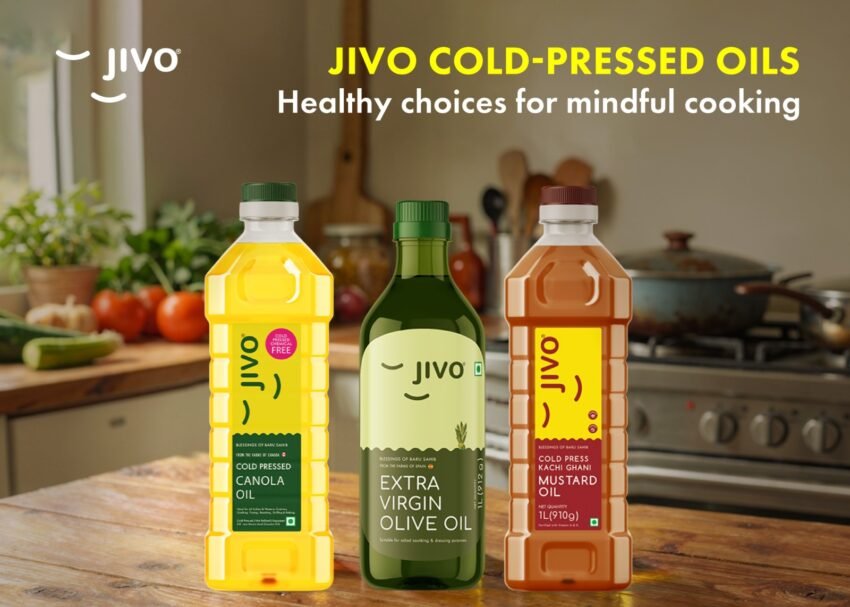
Jivo’s range of cold-pressed oils contains a mix of saturated, monounsaturated (MUFA), and polyunsaturated fatty acids (PUFA), along with naturally occurring omega fatty acids. The exact composition varies depending on the seed or fruit from which the oil is extracted.
Jivo Cold-Pressed Mustard Oil
Jivo Cold-Pressed Mustard Oil contains a balanced combination of monounsaturated and polyunsaturated fats. Its fatty acid profile primarily includes oleic acid, linoleic acid (omega-6), and alpha-linolenic acid (omega-3).
Key characteristics:
- Rich in MUFA, which contributes to a balanced fatty acid profile
- Contains naturally occurring omega-3 and omega-6 fatty acids
- Includes oleic acid, linoleic acid, and alpha-linolenic acid
- Suitable for traditional Indian cooking methods such as sautéing, stir-frying, and pickling
Jivo Cold-Pressed Canola Oil
Jivo Cold-Pressed Canola Oil is known for its balanced fatty acid composition and relatively low saturated fat content. It contains a combination of oleic acid, linoleic acid, and alpha-linolenic acid, making it a source of omega-3, omega-6, and omega-9 fatty acids.
Key characteristics:
- Contains omega-3, omega-6, and omega-9 fatty acids
- Rich in oleic acid, a monounsaturated fatty acid
- Offers a balanced ratio of unsaturated fats
- Versatile for everyday cooking, baking, and sautéing
Jivo Extra Virgin Olive Oil
Jivo Extra Virgin Olive Oil is naturally rich in oleic acid, the primary monounsaturated fatty acid found in olives. This high MUFA content is one of the reasons olive oil is widely used in heart-conscious dietary patterns around the world.
Key characteristics:
- High in oleic acid (omega-9 fatty acid)
- Rich source of monounsaturated fats (MUFA)
- Contains smaller amounts of linoleic acid and saturated fats
- Suitable for light cooking, roasting, dressings, and marinades
Each of these oils contains a unique combination of fatty acids, which is why no single oil is considered ideal for every cooking requirement. Understanding the fatty acid composition of cooking oils can help consumers choose the best healthy oil for cooking based on their dietary preferences, cooking methods, and nutritional goals.
2026 Top 5 Cold-Pressed Oils in India Rich in Healthy Nutrients
Are Cold-Pressed Oils Better Than Refined Oils?
One of the most common questions among health-conscious consumers is whether cold-pressed oils are superior to refined oils.
Cold-pressed oils
- Undergo minimal processing
- Retain natural flavour
- Preserve naturally occurring compounds
- Are extracted without aggressive refining methods
Refined oils
- Undergo additional processing steps
- Have a neutral taste and aroma
- Offer consistency and longer shelf life
The choice often depends on individual preferences, cooking requirements, and dietary goals.
How to Choose the Best Healthy Oil for Cooking
Choosing the best healthy oil for cooking depends on multiple factors.
Consider:
Your Cooking Method
Different oils perform differently under heat.
For example:
- Mustard oil works well for Indian cooking.
- Olive oil suits light cooking and dressings.
- Coconut oil performs well in traditional recipes.
Your Nutritional Goals
Look for oils that provide a balance of:
- MUFA
- PUFA
- Omega fatty acids
Variety Matters
Many nutrition professionals recommend rotating oils instead of relying on a single option throughout the year.
This approach can help diversify fatty acid intake and support a balanced diet.
Which Are the Best Cooking Oils in India?
The best cooking oils in India vary depending on dietary preferences, regional cuisines, and cooking styles.
Popular options include:
- Mustard oil
- Olive oil
- Groundnut oil
- Canola oil
- Coconut oil
Among these, oils with a balanced combination of MUFA and PUFA are often preferred for daily cooking.
Ultimately, the best healthy oil for cooking is one that aligns with your nutritional needs, cooking habits, and overall dietary pattern.
Conclusion
Fatty acids are what truly define the nutritional profile of cooking oils. Most healthy cooking oils in India contain a combination of saturated fats, monounsaturated fats, and polyunsaturated fats, along with varying amounts of omega-3, omega-6, and omega-9 fatty acids.
Understanding fatty acids in cooking oils can help you move beyond marketing claims and make more informed choices for your kitchen. Whether you prefer mustard oil, olive oil, groundnut oil, or cold-pressed alternatives such as Jivo oils, the goal should be balance, variety, and suitability for your cooking style.
Rather than searching endlessly for a single perfect oil, focus on selecting high-quality oils with a favourable fatty acid composition and using them appropriately in your everyday meals.