
A recent report states that the Indian coconut oil market, valued at USD 232 million in 2025, is expected to nearly double to USD 427.26 million by 2034, growing at a steady 7% annually. This growing demand reflects the increasing popularity of coconut oil across the country, particularly in South India, where it has been a part of daily life for generations.
Today, people use coconut oil for much more than cooking. It has become a popular ingredient in skincare routines because of its moisturizing and nourishing properties. Traditionally valued for its versatility, coconut oil is widely used to support both everyday cooking and skin care.
Many people search online for the best coconut oil in India to improve their skin, but they are often unaware of the science behind its potential benefits. Understanding how coconut oil interacts with the skin can help you make a more informed choice when selecting the right product.
In this blog, we’ll explore seven science-backed benefits of coconut oil for skin and examine what current research says about its role in supporting healthy, well-nourished skin.
Top 7 Science-Backed Benefits of Coconut Oil for Skin
Virgin coconut oil has been used for skincare for generations, but modern research is beginning to explain why it remains a popular choice. From deeply moisturizing dry skin to supporting the skin’s natural barrier, studies suggest that virgin coconut oil contains beneficial fatty acids and antioxidants that may contribute to healthier-looking skin. Here are seven research-backed benefits of coconut oil for skin and what current scientific evidence says about each of them.
1. Deeply Moisturizes Dry Skin
One of the biggest benefits of coconut oil for skin is its ability to provide long-lasting moisture. Virgin coconut oil is rich in natural fatty acids that help lock moisture into the skin and reduce dryness. Instead of simply sitting on the surface, it forms a protective layer that helps prevent moisture loss, leaving the skin feeling softer and smoother.
Research has shown that coconut oil works as effectively as mineral oil in improving mild to moderate dry skin. In people with atopic dermatitis (eczema), studies have even found that virgin coconut oil can provide better skin hydration and support healthier skin than mineral oil. Regular application may help reduce rough patches, flakiness, and the tight feeling that often comes with dry skin, making it a popular natural choice for daily skincare.
This makes coconut oil a simple yet effective moisturizer, especially for people looking for a plant-based alternative to conventional skin creams.
2. May Help Support the Skin’s Natural Barrier
A healthy skin barrier is essential for keeping moisture in and protecting the skin from everyday irritants, pollutants, and harmful microorganisms. When this protective layer is weakened, the skin can become dry, sensitive, and more prone to irritation.
Laboratory research suggests that virgin coconut oil may help support the skin’s natural barrier. In an in vitro study, researchers found that virgin coconut oil increased the production of filaggrin and involucrin, two important proteins that help maintain the skin’s structure and barrier function. The study also observed a reduction in inflammatory markers in skin cells, indicating that virgin coconut oil may help support healthier-looking skin.
While these findings are encouraging, they are based on laboratory research. More clinical studies in humans are needed to confirm how these effects translate to everyday skincare.
3. Has Antibacterial & Antifungal Properties
Virgin coconut oil contains naturally occurring fatty acids, particularly lauric acid, that have shown antibacterial and antifungal activity in laboratory studies. Researchers believe these compounds may help limit the growth of certain harmful microorganisms when applied to the skin. Some cell-based studies have also suggested possible antiviral effects.
While these findings are promising, most of the current evidence comes from laboratory research rather than human clinical trials. Coconut oil should not be considered a treatment for bacterial or fungal skin infections, but its natural antibacterial, antifungal, and antiviral properties may help support the skin’s protective barrier as part of a regular skincare routine.
4. May Help Support the Skin’s Natural Response to Inflammation
Environmental factors such as pollution, UV exposure, and harsh weather can put stress on the skin and trigger inflammation. Laboratory research suggests that virgin coconut oil may help support the skin’s natural response to inflammation. In an in vitro study, researchers observed reduced levels of several inflammatory markers, including TNF-α, IFN-γ, IL-6, IL-5, and IL-8, along with increased antioxidant activity in skin cells. These findings suggest that virgin coconut oil may help protect skin cells from oxidative stress and support overall skin health. However, further clinical studies in humans are needed to confirm these effects.
If you’re looking for the best virgin coconut oil for skin, choosing a high-quality, minimally processed product is important, as it helps preserve the naturally occurring fatty acids and antioxidants present in the oil. While virgin coconut oil is not a substitute for medical treatment, it can be a nourishing addition to a regular skincare routine for maintaining soft, healthy-looking skin.
5. Contains Lauric Acid That May Help Fight Acne-Associated Bacteria
Acne is influenced by several factors, including excess oil, clogged pores, and the growth of Cutibacterium acnes, a bacterium commonly associated with breakouts. Virgin coconut oil naturally contains lauric acid, one of its main fatty acids. Laboratory research has shown that lauric acid possesses antibacterial activity against acne-associated bacteria, suggesting it may help support healthier skin.
However, it’s important to note that these findings are based on laboratory and preclinical studies rather than human clinical trials. Since coconut oil may not suit every skin type, particularly oily or acne-prone skin, it should be used with care and is not a substitute for medically recommended acne treatments.
6. May Help Soothe and Protect Irritated Skin
Everyday exposure to sunlight, pollution, harsh weather, and other environmental factors can leave the skin feeling stressed and irritated. Laboratory research suggests that virgin coconut oil may help protect skin cells from environmental damage. In an in vitro study, skin cells pre-treated with virgin coconut oil showed reduced oxidative stress after exposure to UVB radiation. The study also found that virgin coconut oil was non-irritating and non-phototoxic in laboratory skin models, indicating that it may be gentle enough for topical skincare applications.
Although these findings are based on laboratory research, they suggest that the best virgin coconut oil for skin may help support the skin’s natural defence against everyday environmental stress when used as part of a regular skincare routine. More clinical studies in humans are needed to confirm these benefits.
7. Rich in Antioxidants That May Support Healthy-Looking Skin
Healthy-looking skin depends on many factors, including hydration, sun protection, and the body’s ability to manage oxidative stress. Virgin coconut oil naturally contains antioxidant compounds that help protect skin cells from damage caused by free radicals. Laboratory studies suggest these antioxidants may support the skin’s natural defence mechanisms and contribute to overall skin health.
Oxidative stress is one of the factors associated with premature skin ageing. By helping reduce oxidative stress, the best virgin coconut oil for skin may support a healthy-looking complexion when used as part of a regular skincare routine.
How to Choose the Best Extra Virgin Coconut Oil for Skin
Not all coconut oils are the same. If you’re planning to use coconut oil as part of your skincare routine, choosing extra virgin coconut oil is important because it is extracted from fresh coconut kernels using minimal processing. This helps retain naturally occurring fatty acids, antioxidants, and other beneficial compounds that may be reduced during extensive refining.
When shopping for the best extra virgin coconut oil for skin, look for products that are cold-pressed or minimally processed, free from added fragrances, colours, and preservatives, and packed in food-grade, airtight containers. Before applying it to larger areas of your skin, perform a patch test to check for any sensitivity or irritation, especially if you have sensitive or acne-prone skin.
How to Use Extra Virgin Coconut Oil Safely on Your Skin
Extra virgin coconut oil can be a simple addition to your daily skincare routine when used correctly. It can be applied as a body moisturiser after bathing, used to soften dry elbows, knees, and heels, or gently massaged onto rough patches that need extra hydration. Some people also use it as a natural makeup remover or as part of their night time skincare routine.
Since every skin type is different, coconut oil may not be suitable for everyone. Individuals with oily or acne-prone skin should use it cautiously, as it may not suit all complexions. If you have eczema, psoriasis, or any other skin condition, consult a dermatologist before making it a regular part of your skincare routine.
Extra Virgin Coconut Oil: More Than Just a Skincare Essential
While extra virgin coconut oil is widely appreciated for its skincare benefits, it is equally valued in the kitchen. Its pleasant aroma and rich flavour make it a popular choice for sautéing vegetables, light cooking, baking, smoothies, and a variety of traditional recipes. Because it is minimally processed, extra virgin coconut oil retains its natural characteristics, making it a versatile ingredient for both cooking and personal care.
If you’re looking for one product that supports both your cooking and skincare needs, the best extra virgin coconut oil from reputed oil brand in India is what you need. Whether you’re preparing everyday meals or following a simple self-care routine, choosing a high-quality, cold-pressed extra virgin coconut oil can help you get the most from this versatile ingredient.
ALSO READ: 8 Easy Ways to Check If Your Coconut Oil is Pure or Fake
FAQs
What are the benefits of coconut oil for skin?
Virgin coconut oil is widely used in skincare routines for its moisturizing feel and naturally occurring fatty acids. Ongoing research continues to explore its role in supporting healthy-looking skin.
Is virgin coconut oil good for dry skin?
Many people use virgin coconut oil as a daily moisturizer because it helps leave the skin feeling soft and smooth. Scientific studies have also explored its role in maintaining skin moisture.
Conclusion
Extra virgin coconut oil for skin and cooking has been used for generations, and growing scientific research continues to support many of its traditional uses. From helping moisturise dry skin and supporting the skin’s natural barrier to providing antioxidant and antimicrobial properties, it can be a valuable addition to a balanced skincare routine. However, many of these benefits are supported by laboratory research, and further human clinical studies are needed to strengthen the evidence.
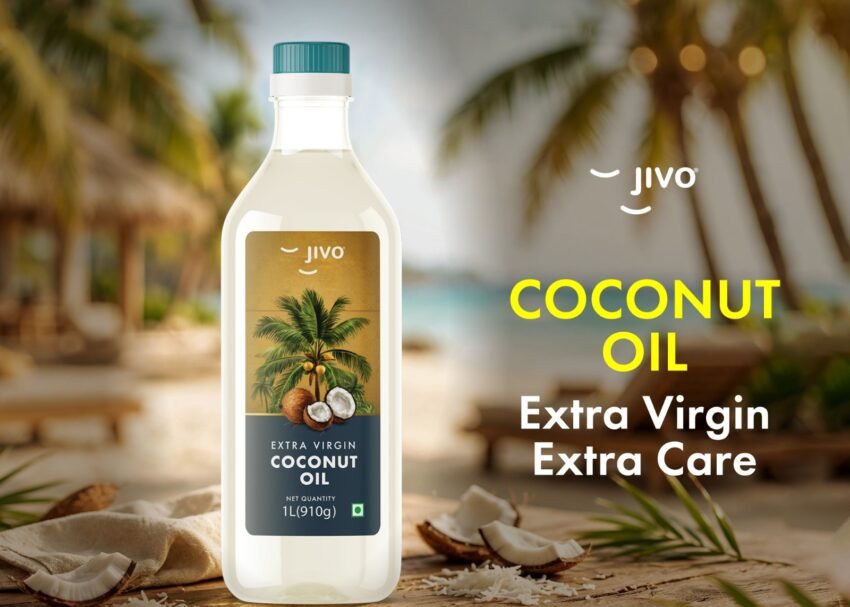
If you’re looking for a high-quality best extra virgin coconut oil, choose one that is minimally processed and made from fresh coconuts to help preserve its naturally occurring nutrients. Jivo Cold-Pressed Extra Virgin Coconut Oil is carefully crafted to retain its natural goodness, making it a versatile choice for everyday cooking and maybe helpful for skincare.
You may also try cooking oils free of cholesterol and trans fats, available to order online from Zepto and Blinkit for quicker delivery: Jivo EVOO and Extra Light Olive Oil.