
If you have ever searched for the best cooking oil for heart health in India, you must have come across dozens of opinions. Some people recommend mustard oil, others prefer olive oil or canola oil, while many believe seed oils should be avoided altogether. With so much conflicting advice available, choosing the right cooking oil can quickly become confusing.
The answer is not as simple as picking one “healthy” oil. A lot depends on understanding the fats present in cooking oils, especially linoleic acid (omega-6) and alpha-linolenic acid (omega-3). Although their names sound similar, these essential fatty acids perform different roles in the body, and the balance between them can be just as important as the type of oil you use.
In this guide, you’ll get an idea as to what these two fatty acids are, why their balance matters, and how to choose the right cooking oil for your everyday Indian meals.
What exactly are linoleic acid and linolenic acid
When comparing the best cooking oils in India, you may have noticed terms like omega-3 and omega-6 on product labels or in health articles. These refer to two types of essential fatty acids that our body needs for normal growth and functioning. Since the body cannot produce them on its own, they must be obtained through foods such as cooking oils, nuts, seeds, and other everyday foods.
Linoleic acid (LA) is an omega-6 fatty acid, while alpha-linolenic acid (ALA) is a plant-based omega-3 fatty acid. Although their names are similar, they have different functions in the body. According to Harvard Health, linoleic acid can be converted into arachidonic acid, which plays a role in normal cell signalling and immune function. Alpha-linolenic acid, on the other hand, is a precursor to the long-chain omega-3 fatty acids EPA and DHA, although only a small amount is converted by the body.
Both omega-6 and omega-3 are important for good health. Linoleic acid helps maintain healthy cell membranes and supports normal skin health. Alpha-linolenic acid contributes to overall omega-3 intake and supports heart health as part of a balanced diet. Rather than considering one to be better than the other, it is important to include both in the diet in appropriate amounts.
Understanding the difference between these two essential fatty acids makes it easier to understand why the balance between omega-6 and omega-3 is important, which we will discuss in the next section.
ALSO READ: Are Omega-3 and Omega-6 in Cooking Oils Really Important?
Why the balance matters more than the oil label
Many people believe that a cooking oil is healthy simply because it contains omega-3 or omega-6. In reality, the nutritional value of an oil depends not only on the type of fat it contains but also on how it fits into your overall diet.
If you are looking for the best cooking oil for heart health in India, it is important to understand the balance between these two essential fatty acids. Studies suggest that modern Indian diets are generally higher in omega-6 because refined oils such as sunflower and soybean oil are commonly used for everyday cooking. At the same time, foods naturally rich in omega-3, such as flaxseeds, walnuts, and fatty fish, are consumed less frequently by many people.
The recommended omega 6 to omega 3 ratio
There is no single omega-6 to omega-3 ratio considered ideal for everyone. However, researchers generally agree that many modern diets contain far more omega-6 than omega-3, making it important to maintain a better balance between these two essential fatty acids.
A study by researchers from AIIMS New Delhi and the Public Health Foundation of India (PHFI) found that among the Delhi participants studied, the median omega-6 to omega-3 ratio was approximately 37:1 — with individual values ranging as widely as 6.21 – 183.69. The researchers also note that human diets are believed to have contained a much more balanced 1:1 proportion of these fatty acids for millions of years, before major changes in food production and eating habits over the past 150 years or so shifted this balance.
Another study, published in Frontiers in Cell and Developmental Biology, notes in its introduction that modern Western-style diets often have omega-6 to omega-3 ratios ranging from 10:1 to 50:1, compared with a healthier balance of below 3:1 discussed in earlier scientific literature. While the research itself investigated the effects of different omega-6 to omega-3 ratios on human nerve cells grown under laboratory conditions, it also highlights the growing scientific interest in maintaining a better balance between these essential fatty acids.
For everyday cooking, the takeaway is simple. Instead of looking at only one nutrient or choosing an oil based solely on marketing claims, consider your overall diet. Including omega-3-rich foods such as flaxseeds, walnuts, and fatty fish, along with cooking oils that provide a balanced fatty acid profile, can help improve the overall quality of your diet.
MUFA vs PUFA Oil: Which is Better for Heart Health? (Complete Guide)
The real benefits of linoleic acid
When choosing the best cooking oil for heart health in India, it is important to understand that linoleic acid, an omega-6 fatty acid, is an essential nutrient and not something that should be avoided altogether. Our body cannot produce it on its own, so it must be obtained through foods such as cooking oils, nuts, and seeds.
Linoleic acid plays several important roles in the body. It helps maintain healthy cell membranes, supports normal skin function, and is required for normal growth and development.
According to scientific studies, it was found that increasing linoleic acid intake does not increase blood markers of inflammation, contrary to a common misconception. Instead of avoiding omega-6 completely, experts recommend paying attention to your overall dietary pattern and ensuring a balanced intake of both omega-6 and omega-3 fatty acids.
ALSO READ: Can Too Much Omega-6 from Cooking Oils Raise Heart Disease Risk?
The real benefits of linolenic acid
Alpha linolenic acid works quietly but powerfully in the background. It supports heart health, helps reduce inflammation, and acts as a building block for other important omega 3 fats like EPA and DHA, the same fats often linked to fish oil benefits.
Oils like flaxseed, mustard, walnut, and canola naturally carry decent amounts of ALA. Someone following a vegetarian diet, which describes a large section of Indian households, often depends entirely on these oils to get enough omega 3 in their daily meals.
Cooking oils that offer a better balance
Instead of searching for one perfect cooking oil, it is more useful to compare how different oils contribute to your omega-6 and omega-3 intake. Some oils naturally provide a more balanced fatty acid profile, while others contain much higher amounts of omega-6 with very little omega-3. Understanding these differences can help you make more informed choices for everyday cooking.
Mustard oil
Mustard oil naturally contains both omega-6 and omega-3 fatty acids in a relatively balanced proportion compared with many commonly used cooking oils. This balanced fatty acid profile is one reason it has remained a preferred cooking oil in many Indian households.
Canola oil
Canola oil is one of the few commonly used cooking oils that naturally contains a meaningful amount of alpha-linolenic acid (ALA), a plant-based omega-3 fatty acid. According to studies and opinion of health experts largely, it also provides a favourable balance of unsaturated fats, making it a useful option for people looking to increase their omega-3 intake through everyday cooking.
Groundnut oil
Groundnut oil is naturally rich in monounsaturated fats and contains omega-6 fatty acids, but it provides only a small amount of omega-3. When used regularly, it can be beneficial to include other omega-3-rich foods or cooking oils in the diet to maintain a better overall fatty acid balance.
Rice bran oil
Rice bran oil contains both monounsaturated and polyunsaturated fats, with omega-6 making up a larger proportion than omega-3. As with many commonly used cooking oils, its nutritional value is best considered as part of your overall dietary pattern rather than in isolation.
Sunflower and soybean oil
Sunflower and soybean oils are naturally higher in omega-6 fatty acids than omega-3. This does not make them unhealthy, but if they are the primary oils used in daily cooking, it is worth including more omega-3-rich foods such as flaxseeds, walnuts, or fatty fish to help improve the overall balance of essential fatty acids.
Olive oil
Olive oil is valued primarily for its high monounsaturated fat content rather than its omega-3 content. While it contains relatively small amounts of omega-3, it can still be part of a balanced diet when combined with other foods and oils that contribute essential omega-3 fatty acids.
No single cooking oil provides the ideal balance of every nutrient. Rather than relying on just one oil, choosing a variety of oils and including omega-3-rich foods in your meals is a practical way to achieve a healthier balance between omega-6 and omega-3 fatty acids.
Practical tips for everyday Indian kitchens
Making better food choices does not always require major changes. A few simple habits can help improve the balance of omega-6 and omega-3 in your everyday diet.
Choose cooking oils thoughtfully
Instead of relying on a single oil for every meal, consider using oils with different fatty acid profiles as part of a balanced diet.
Include more omega-3-rich foods
Foods such as flaxseeds, walnuts, chia seeds, and fatty fish can help increase your omega-3 intake and complement the fats you get from cooking oils.
Avoid reheating cooking oil repeatedly
Repeated heating can reduce the quality of the oil and lead to the formation of undesirable compounds, regardless of the type of oil used.
Read the nutrition information carefully
Look beyond marketing claims and compare the fatty acid profile of cooking oils whenever that information is available. Understanding the balance of omega-6 and omega-3 can help you make more informed choices.
Focus on your overall diet.
No cooking oil can provide every nutrient your body needs. A balanced diet that includes a variety of healthy foods, along with appropriate cooking oils, is the best way to support long-term health.
Clearing up a common myth
In recent years, there has been considerable discussion about seed oils and whether they are harmful to health. While opinions on this topic vary, it is important to look at what scientific evidence says rather than relying solely on claims shared online.
According to Harvard Health, current research does not support the idea that increasing linoleic acid, the main omega-6 fatty acid found in many seed oils, increases inflammation in the body. Instead, the evidence suggests that linoleic acid can be part of a healthy diet when consumed in appropriate amounts.
Rather than avoiding seed oils altogether, it is more useful to focus on the overall quality of your diet. Including adequate sources of omega-3 along with a balanced intake of omega-6-rich foods can help maintain a healthier balance of essential fatty acids. Looking at your complete dietary pattern is likely to be more beneficial than judging any single cooking oil in isolation.
READ MORE: Are Seed Oils Bad for You? Revealing Truth About Cooking Oils
Conclusion
There is no single cooking oil that is ideal for every kitchen or every cooking method. What matters most is understanding the role of omega-6 and omega-3 fatty acids and maintaining a better balance between them as part of your overall diet. Choosing cooking oils based on their nutritional profile, along with eating a varied and balanced diet, can help you make more informed choices for your family.
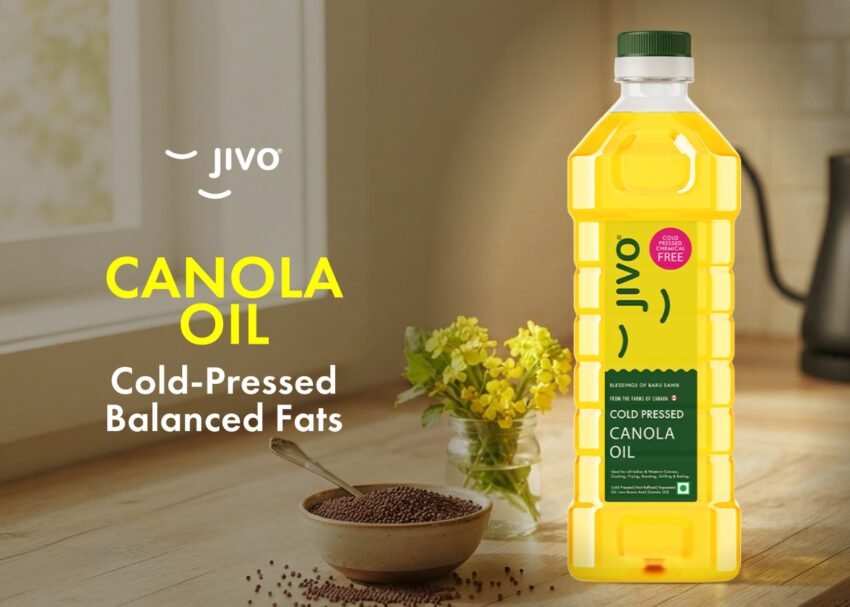
Jivo Cold Pressed Canola Oil offers a favourable balance of monounsaturated and polyunsaturated fats and is fortified with vitamins A and D. As part of a rotation of cooking oils, it can be a suitable choice for consumers looking for a cold-pressed cooking oil with a balanced fatty acid profile.
Ultimately, healthy eating is built on consistent everyday habits. Paying attention to the balance of omega-6 and omega-3, including a variety of nutrient-rich foods in your meals, and choosing the best cooking oils in India thoughtfully can all contribute to a balanced dietary pattern.
ALSO READ: Top 6 Healthy Cold-Pressed Oils for Heart Health in India
You may also try cooking oils free of cholesterol and trans fats, available to order online from Zepto and Blinkit for quicker delivery: Jivo EVOO and Extra Light Olive Oil.
Disclaimer: The information in this blog is provided for educational purposes only and is based on published scientific research and publicly available sources. It should not be interpreted as medical advice or as a substitute for professional healthcare guidance. Product information is intended to help consumers make informed choices and does not imply prevention, treatment, or cure of any disease.