
Decades ago in India, mustard oil was considered the best cooking oil for preparing daily meals. Then came an era of refined oils, and the latest addition is cold-pressed oils. Ghee, groundnut, and sunflower oils were known to be the most common cooking oils asked for by many at the grocery store, along with palm oil. But then came olive oils in three variants – extra virgin, extra light, and pomace olive oil. Many are familiar with the first two, but many are confused about pomace olive oil. Some people think it is another, low-grade refined version of extra virgin olive oil, while some assume it to be plain refined oil. Neither idea is fully true.
Let us learn about the seven things worth understanding about pomace olive oil. If you wish to know “what is pomace olive oil,” you have come to the right blog.
1. What Is Pomace Olive Oil and How Is It Made?
When olives are processed to obtain olive oil, some oil remains in the leftover pulp, skin, and pit material. This residual material is known as olive pomace. Although most of the oil is recovered during the initial extraction, a small amount remains in the pomace and can be extracted through further processing.
To recover this remaining oil, olive pomace is processed using heat and approved solvents. The oil obtained at this stage is crude olive-pomace oil and requires further refining before it can be used as an edible oil. During refining, unwanted compounds, strong odours, and undesirable flavours are removed to produce a more neutral-tasting oil.
Depending on the product category and applicable standards, the refined oil may then be blended with a certain amount of virgin olive oil. This can help give the finished product a milder olive character, along with some flavour and aroma.
So, pomace olive oil is not fake olive oil or simply another name for refined cooking oil. It is a distinct category of olive oil made by recovering oil from olive pomace and processing it according to specific quality and production standards.
The process can be broadly understood in five stages:
· First, the olives are processed
Olives are processed to extract the main olive oil. After this, a thick leftover material containing olive pulp, skin, and crushed pits remains. This material is called olive pomace.
· The leftover pomace still contains some oil
Even after the first extraction, a small amount of oil remains in the olive pomace. This oil can be recovered through further processing.
· The recovered oil is refined
The oil obtained from the pomace at this stage is crude oil and cannot be used directly as an edible cooking oil. It is therefore refined to remove unwanted substances, strong odours, and undesirable flavours. This gives the oil a lighter colour and more neutral taste.
· Virgin olive oil may be added
Depending on the type of pomace olive oil being produced, a certain amount of virgin olive oil may be blended with the refined oil. This helps give the finished oil a mild olive flavour and aroma.
· The finished oil is packed for consumers
Once the oil has undergone the required processing and meets the applicable quality standards, it is packaged and labelled as pomace olive oil and made available for cooking and other culinary uses.
This is why pomace olive oil is different from extra virgin olive oil. Extra virgin olive oil is obtained directly from olives through mechanical or physical methods, while pomace olive oil is made by recovering the remaining oil from olive pomace and then processing it further. This distinction is important when choosing between the two types of olive oil.
2. Pomace Olive Oil Versus Extra Virgin Olive Oil
This is where most confusion begins. Extra virgin olive oil comes directly from olives through simple pressing, without any chemical treatment, so it keeps a strong fruity taste and a deep colour. Pomace olive oil goes through an extra refining stage, so its taste is much milder and its colour is lighter. Extra virgin olive oil is often used for salads, dips and finishing a dish, while many people search for the best pomace olive oil for cooking when they want something suited for daily meals rather than raw use. Extra virgin olive oil also tends to sit at a higher price point, while pomace is usually easier on the pocket. If you are looking for the best cooking oil for frying that does not carry a heavy price tag, pomace olive oil is worth comparing against your regular options.
| Feature | Pomace Olive Oil | Extra Virgin Olive Oil |
| Raw material | Olive pomace | Olives |
| Production | Oil recovered from olive pomace and refined | Obtained directly from olives by mechanical/physical means |
| Refining | Refining involved | Not refined |
| Flavour | Generally milder | More pronounced olive flavour |
| Typical culinary positioning | Everyday cooking | Dressings, finishing and cooking |
| Price | Economical | Premium |
The IOC defines virgin olive oils as oils obtained from olives solely through mechanical or other physical means under conditions that do not alter the oil.
ALSO READ: 5 Ways to Incorporate Extra Virgin Olive Oil in Your Diet: Best Olive Oil for Cooking
3. Is Pomace Olive Oil Good For Daily Indian Cooking
Indian cooking involves a good deal of heat, whether it is tempering, sautéing or shallow frying. Pomace olive oil handles heat reasonably well because of the refining it goes through, and this is one reason many households now treat it as the best pomace olive oil for cooking dal tadka, sabzi and simple curries. It does not carry the strong olive smell that puts off some Indian palates, so it blends easily into everyday recipes without changing the taste of the dish. When people compare the best cooking oil for frying pakoras or parathas, pomace olive oil is often placed alongside more traditional choices because of its steady performance at higher temperatures. Many families now keep it as their default option among the best cooking oils in India because it works for tempering, roasting and shallow frying without much fuss. It is also fairly forgiving for beginners who are not used to cooking with olive-based oils.
4. Is Pomace Olive Oil Good for Health
This question deserves an honest answer rather than a long list of claims. Pomace olive oil, like any cooking oil, is essentially a fat, and fats contribute to the total calories in your diet. It contains a mix of fatty acids, and the exact composition can vary slightly between brands, so it helps to check the nutrition label on the bottle you actually buy rather than relying on general information found online. It should not be treated as identical to extra virgin olive oil in terms of nutrition, since the refining process does change some of its natural compounds. No cooking oil, including this one, should be seen as a cure or treatment for any health condition. Pomace olive oil may be beneficial if consumed in moderation as part of a balanced diet. What matters more is how much oil you use overall, how varied your diet is, and how active your daily routine is. This blog is meant for general awareness and is not medical advice, so anyone with a specific health condition or dietary need should speak to a qualified doctor or nutritionist before making changes to their cooking oil.
5. Pomace Olive Oil Is Not the Same as Pure or Regular Olive Oil
Bottles labelled simply as olive oil, or sometimes as pure olive oil, usually contain a blend of refined olive oil and virgin olive oil, and this is a separate category from pomace olive oil. Pomace oil specifically comes from the leftover pulp after the first pressing, while regular or pure olive oil comes from the olives themselves without involving this leftover material. The taste, cost and typical use of these categories differ slightly, so reading the label carefully matters more than guessing based on the word olive alone. A bottle can say olive oil, virgin olive oil, extra virgin olive oil or olive pomace oil, and each of these terms point to a genuinely different product.
6. How to Pick the Right Bottle from So Many Options
With so many best cooking oils in India competing for shelf space, choosing the right pomace olive oil bottle comes down to a few practical checks. First, look at what is written on the front label, since some brands print the word pomace clearly while others hide it in smaller text. Second, check the ingredient line to see whether virgin olive oil is mentioned as part of the blend. Third, glance at the nutrition panel for total fat and saturated fat values, since these can vary between brands. Fourth, verify manufacturer details, the FSSAI licence number and the best before date printed on the bottle. People searching for the best pomace olive oil for cooking often skip these small checks and later regret it, so a minute spent reading the label saves confusion later. Comparing two or three bottles from the best cooking oils in India segment before buying is a small habit that pays off over time.
7. Simple Storage Tips That Actually Matter
Once you bring the bottle home, storage plays a bigger role than most people realise. Keep the cap tightly closed after every use, since exposed oil reacts with air over time and loses its freshness. Store the bottle away from direct sunlight and away from the heat of your stove, since both light and warmth speed up oxidation. A cool, dry corner of your kitchen cabinet works far better than a spot right next to the cooktop. Try to use the oil within the period suggested on the label rather than letting it sit unused for months. These small habits keep the oil in good condition and help it perform consistently every time you cook with it, which matters if you have picked it as your best pomace olive oil for cooking on a regular basis.
FAQs: Pomace Olive Oil
Is pomace olive oil good for cooking?
Yes, it handles regular Indian cooking methods well and many people consider it among the best pomace olive oil for cooking options for daily meals.
Can pomace olive oil be used for frying?
It can be used for shallow frying and tempering, and several households now treat it as the best cooking oil for frying everyday snacks and sabzis.
Is pomace olive oil the same as extra virgin olive oil?
No, they come from different stages of olive processing and differ in taste, colour and price.
Is pomace olive oil refined?
Yes, the oil recovered from olive pomace goes through refining before it reaches your kitchen.
What is the difference between pomace olive oil and regular olive oil?
Regular or pure olive oil is a blend of refined and virgin olive oil made from olives directly, while pomace oil comes from the leftover pulp after the first extraction.
How should pomace olive oil be stored?
Keep it tightly capped, away from sunlight and heat, in a cool corner of the kitchen.
Is pomace olive oil counted among the best cooking oils in India?
Many households now include it in that list because of its mild taste, steady performance under heat and reasonable price.
Conclusion
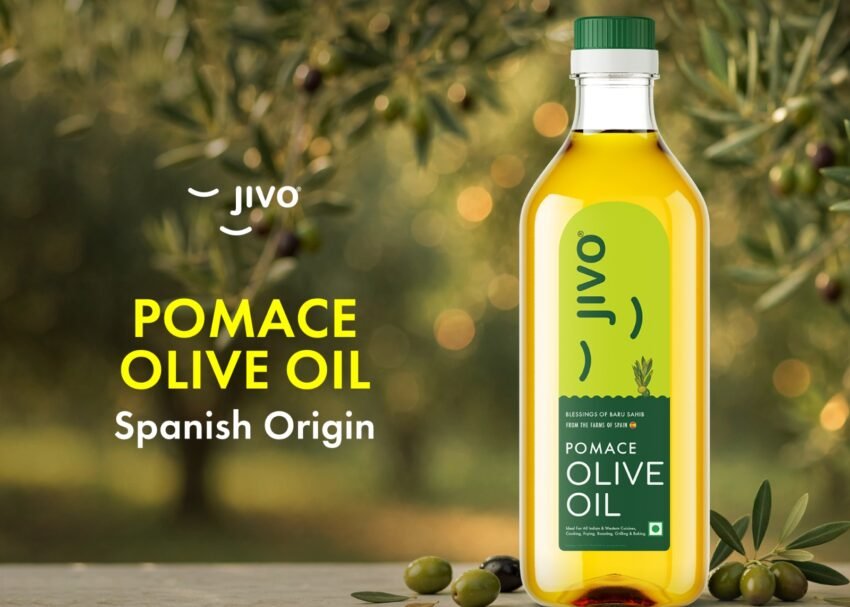
The right choice always depends on what you are cooking, how you like your food to taste, and what fits your monthly budget. If you want a mild, everyday oil for regular Indian meals, pomace olive oil is worth trying, and Jivo Pomace Olive Oil is one of the preferred oils for frying as well as best for preparing varied Indian recipes. It is imported from Spain, a popular Mediterranean region known for its olive groves. It is high in monounsaturated fats (MUFA), which provide better stability during frying, and contains vitamin E. Jivo Pomace Olive Oil brings a light taste that blends easily into your usual recipes without overpowering them, which is why many families exploring the best pomace olive oil for cooking end up giving it a try. If your kitchen is due for a change, keeping a bottle handy alongside your regular cooking oil might just be worth the experiment, especially if you enjoy trying different names among the best cooking oils in India from time to time.
ALSO READ: Best Olive Oil for Cooking: 15 Healthy and Delicious Indian Recipes for Everyday Meals
You may also try cooking oils free of cholesterol and trans fats, available to order online from Zepto and Blinkit for quicker delivery: Jivo EVOO and Extra Light Olive Oil.