
Omega-3 and Omega-6 are often discussed when people talk about healthy eating, but there is another omega that rarely gets the same attention. Omega-9, better known as oleic acid, is actually the dominant fatty acid in oils like olive oil and canola oil, and it has become the focus of growing scientific interest for its role in heart health.
This interest has also led to the development of high-oleic oils, specially bred varieties of oils such as sunflower and canola that contain significantly more oleic acid than their conventional counterparts. But does a higher oleic acid content really make a difference, or is it simply another marketing trick to sell oils claiming to be the best?
In this blog, we will examine the science behind the heart health claim associated with high-oleic oils, explore what research says about oleic acid.
ALSO READ: Are Omega-3 and Omega-6 in Cooking Oils Really Important?
What Exactly Is Oleic Acid
Oleic acid is a type of monounsaturated fat, also known as omega-9, a term you may have come across on cooking oil labels or in nutrition articles. According to Healthline, it is called an omega-9 fatty acid because of its chemical structure, containing a single double bond in its carbon chain, unlike omega-3 and omega-6 fats. Oleic acid occurs naturally in olive oil, canola oil, sunflower oil, avocados, almonds, and even in smaller amounts in meat and eggs.
Over the past few decades, plant breeders have developed special varieties of canola and sunflower that naturally produce much higher levels of oleic acid than conventional varieties. The oils extracted from these seeds are known as high-oleic oils. According to a fact sheet published by Oklahoma State University, regular sunflower oil typically contains around 20% oleic acid, whereas high-oleic sunflower oil contains more than 80%, with some varieties approaching 90% oleic acid.
This higher oleic acid content does more than change the nutrition label. The same Oklahoma State University fact sheet explains that increasing the oleic acid content of an oil may improve its oxidative and thermal stability, making high-oleic oils better suited for applications where greater heat stability is important, such as frying.
Oleic Acid and Heart Health
Oleic acid has been widely studied as part of dietary patterns that replace saturated fats with unsaturated fats. Rather than examining oleic acid in isolation, researchers have investigated how these broader dietary patterns relate to cholesterol levels, blood pressure, and other cardiovascular health markers.
A systematic review of systematic reviews and meta-analyses published on PMC reported that diets higher in monounsaturated fats (MUFAs) were associated with higher HDL (“good”) cholesterol and lower triglyceride levels in several studies. The review also found consistent reductions in both systolic and diastolic blood pressure across short-term and long-term studies. However, the authors noted that the findings for HDL cholesterol and triglycerides were less consistent over longer follow-up periods, indicating that study outcomes varied.
These findings add to a broader body of nutrition research examining dietary patterns in which saturated fats are replaced with unsaturated fats. At the same time, researchers recognise that overall dietary quality, lifestyle factors, and individual health status are important considerations when interpreting these findings.
The American Heart Association, in its Presidential Advisory published in Circulation, concludes that replacing saturated fats with polyunsaturated fats has the strongest evidence for lowering LDL (“bad”) cholesterol. The advisory also includes monounsaturated fats as part of recommended dietary patterns, while noting that the evidence for LDL cholesterol reduction is stronger for polyunsaturated fats.
If you’re looking for the best cooking oils for heart health, it is helpful to consider the overall fatty acid composition of the oil rather than focusing on a single nutrient such as oleic acid. Current dietary guidance generally places greater emphasis on overall eating patterns and replacing foods higher in saturated fats with foods containing more unsaturated fats, rather than focusing on a single nutrient.
If you have a medical condition or specific dietary needs, consult your doctor or a registered dietitian before making significant dietary changes.
Why the FDA Permitted a Qualified Health Claim
This is one detail that many articles overlook, yet it represents one of the most important regulatory decisions on oleic acid. In November 2018, the U.S. Food and Drug Administration (FDA) announced that it would exercise enforcement discretion for a qualified health claim based on credible scientific evidence relating oils rich in oleic acid to a reduced risk of coronary heart disease, subject to specific conditions.
The FDA-approved claim is carefully worded. It states that supportive, but not conclusive, scientific evidence suggests consuming about 20 grams (around one and a half tablespoons) of oils containing at least 70% oleic acid, when used instead of fats and oils higher in saturated fat and without increasing total daily calorie intake, may reduce the risk of coronary heart disease.
The phrase “qualified health claim” is important because it reflects the strength of the available evidence. Unlike an authorised health claim, a qualified health claim means the FDA found the scientific evidence to be credible, but not conclusive. Before issuing this qualified health claim, the FDA reviewed available human intervention studies and concluded that the evidence met the standard required for a qualified, rather than an authorised, health claim.
It’s also important to understand the conditions attached to this claim. First, the oil should contain at least 70% oleic acid, a level generally found in high-oleic oils rather than conventional sunflower oils and many standard canola oils. Second, these oils should replace fats that are higher in saturated fat, not simply be added to the diet. Finally, total calorie intake should not increase. In other words, the qualified health claim applies only when these conditions are met and should be interpreted in the context of an overall balanced diet.
The FDA’s decision does not mean that oleic acid alone prevents coronary heart disease. Instead, the qualified health claim applies only under the specific conditions described by the FDA. This qualified health claim reflects the FDA’s regulatory framework in the United States and should not be interpreted as an approved health claim under regulations in other countries.
Why These Oils Are Also Better for Frying
High-oleic oils have attracted research interest for a variety of reasons, including their fatty acid composition and their performance during high-temperature cooking.
A study published in the Journal of the American Oil Chemists’ Society compared high-oleic corn oil with conventional corn oil under high-temperature frying conditions. The researchers reported that high-oleic corn oil demonstrated greater oxidative stability, better flavour stability, and lower levels of total polar compounds during prolonged frying, suggesting that it remained more stable under the conditions evaluated in the study.
These findings provide information about how high-oleic corn oil performed under the frying conditions evaluated in the study. However, the performance of a cooking oil can vary depending on several factors, including the type of oil, frying temperature, heating duration, and whether the oil is reused. Therefore, the findings should be interpreted within the context of the study rather than as a universal outcome for all cooking oils or frying conditions. Before choosing the best cooking oil for heart health, do consult a qualified doctor or health expert.
ALSO READ: Which Cooking Oil is Best for Frying?
What About Olive Oil Specifically
Olive oil deserves separate consideration because extra virgin olive oil is particularly known for its naturally occurring polyphenols. These plant compounds are present in much higher amounts than in most refined vegetable oils and have been widely studied alongside olive oil’s monounsaturated fat content.
A review published on PMC reported that several studies have associated olive oil consumption with improved endothelial function—the ability of blood vessels to relax and function normally—as well as lower blood pressure. The review also discusses evidence suggesting that these observations may be related to both olive oil’s monounsaturated fat content and its naturally occurring polyphenols.
Another review published on PMC describes research examining how polyphenols in extra virgin olive oil may influence nitric oxide bioavailability, a process involved in normal blood vessel function and blood pressure regulation. The authors note that this is one of several mechanisms currently being investigated.
Extra virgin olive oil is also a well-known component of the Mediterranean diet, a dietary pattern that has been extensively studied in relation to cardiovascular health. Current research suggests that the unique properties of extra virgin olive oil are influenced not only by its oleic acid content but also by its naturally occurring polyphenols.
Choosing Wisely for an Indian Kitchen
So, where does this leave someone shopping for the best cooking oil in India and trying to make the right choice for their family?
The biggest takeaway from current research is that no single cooking oil is a miracle solution for heart health. What makes the greatest difference is replacing foods high in saturated fat with oils that are richer in unsaturated fats, using them in moderation, and following an overall balanced diet.
If you are looking for the best cooking oils in India, oils naturally rich in oleic acid, such as olive oil, canola oil, and high-oleic sunflower oil, are among the options supported by current research for their favourable fatty acid profile. Extra virgin olive oil also contains naturally occurring polyphenols, while canola oil offers a good balance of monounsaturated and polyunsaturated fats. Rather than relying on a single oil for every recipe, choose oils that suit your cooking method, taste preferences, and nutritional needs.
For anyone searching for the best cholesterol free oil, it is worth remembering that all plant-based cooking oils are naturally cholesterol free because cholesterol is found only in animal-derived foods. Instead of focusing on a “cholesterol-free” label, compare oils based on their saturated fat content, fatty acid composition, and how well they fit your everyday cooking needs.
In India, FSSAI regulates the nutrition and health claims that food manufacturers can make on food labels and advertisements. These regulations help ensure that any permitted claim is supported by scientific evidence, helping consumers make more informed choices when selecting cooking oils.
Conclusion
High-oleic oils have attracted scientific interest because of their higher oleic acid content and the way they perform during cooking. As this article has explored, researchers have studied their fatty acid composition, cooking stability, and the evidence behind the heart health claim associated with oleic acid. While the available evidence has led to a qualified health claim for certain high-oleic oils in some countries, it also highlights the importance of viewing these oils as one part of an overall balanced diet rather than a standalone solution.
For consumers, the key takeaway is to understand what makes one cooking oil different from another. Looking beyond marketing claims and paying attention to factors such as fatty acid composition, intended cooking application, and product quality can help you make more informed choices for your kitchen.
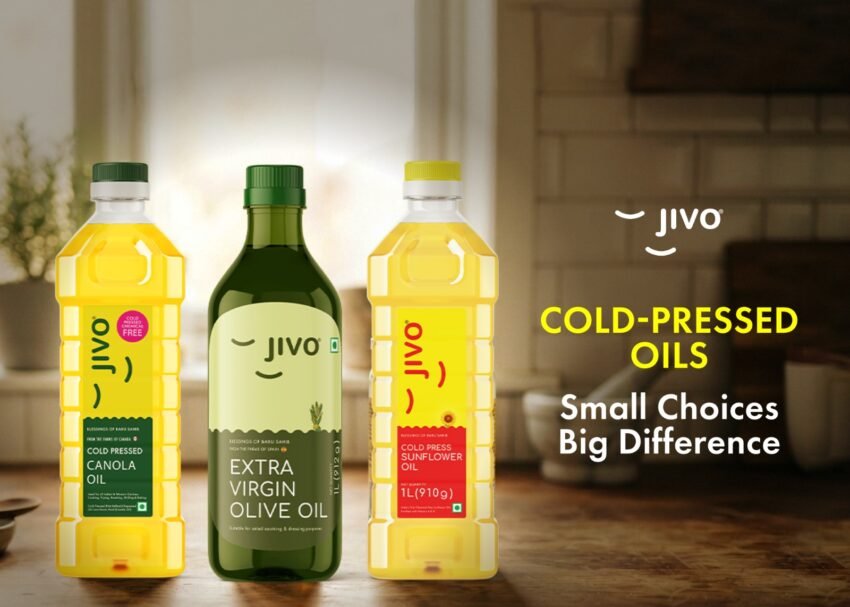
Keeping these considerations in mind, you may wish to choose cooking oils that match your everyday cooking needs and preferences. If you’re exploring cold-pressed cooking oils, Jivo offers a range that includes Cold-Pressed Canola Oil, Cold-Pressed Sunflower Oil, and Extra Virgin Olive Oil. Jivo’s Cold-Pressed Canola Oil is low in saturated fat and rich in monounsaturated fat. Both the Cold-Pressed Canola Oil and Cold-Pressed Sunflower Oil are fortified with Vitamins A and D, while the Extra Virgin Olive Oil, imported from Spain and contains Vitamin E.
Choosing the right cooking oil ultimately depends on your cooking style, the dishes you prepare, and your overall dietary preferences. Understanding the role of oleic acid and the characteristics of high-oleic oils can help you make a more informed choice, whether you’re cooking every day or simply exploring different options available in the market.
ALSO READ: 3 Best Cold-Pressed Oils in India Fortified with Vitamin A & D
You may also try cooking oils free of cholesterol and trans fats, available to order online from Zepto and Blinkit for quicker delivery: Jivo EVOO and Extra Light Olive Oil.
Disclaimer: This blog is intended for general informational and educational purposes only and should not be considered medical or nutritional advice. The information presented is based on published scientific research available at the time of writing. Individual dietary needs and health conditions may vary. Please consult a qualified healthcare professional or registered dietitian before making significant changes to your diet, especially if you have an existing medical condition or are taking medication.