
Introduction
Be it regular, cold-pressed, wooden-pressed, or kachi ghani oils, the fatty acid composition remains important in all cooking oils. Monounsaturated fats (MUFA), polyunsaturated fats (PUFA), and saturated fats (SFA) dominate the fat profile of cooking oils. Among these, MUFA and PUFA are the two major types of fatty acids present in significant amounts.
MUFA is known for oleic acid, which is associated with several health benefits. PUFA, on the other hand, contains essential fatty acids such as omega-3 and omega-6, which the human body cannot produce on its own. These fatty acids play a vital role in providing nourishment that supports heart health and overall well-being.
Experts recommend maintaining the right balance of omega-6 and omega-3 fatty acids in cooking oils for better health outcomes. The best cooking oil for heart health in India is often considered one that provides an optimal balance of these essential fatty acids.
What is MUFA (Monounsaturated Fat)? Know About the Best MUFA-Rich Healthy Oils in India
What Are Omega-3 and Omega-6 Fatty Acids?
In cooking oils, mainly edible, omega-3 and omega-6 are the two major types of polyunsaturated fatty acids (PUFAs) that hold health-beneficial abilities. They list as essential fatty acids because the human body is incapable of producing them on its own and they need to be sourced from external diet, especially through cooking oils, nuts, seeds, and fatty fish.
The main difference between omega-3 and omega-6 lies in their chemical structure and the way they function in the body. Omega-3 fatty acids are known to support heart, brain, and eye health, while omega-6 fatty acids help support skin health, metabolism, and normal growth and development. Both are important for the body when consumed in the right balance.
Although omega-6 fatty acids are essential but in higher levels than omega-3, impacts overall health over time. Therefore, choosing the best cooking oils in India with a better balance of omega-3 and omega-6 fatty acids is considered important for maintaining a healthy diet.
Why Is the Omega-3 to Omega-6 Balance Important?
Both omega-3 and omega-6 are essential fatty acids, which means the body needs them for proper functioning but cannot produce them on its own. While omega-6 helps support normal growth and energy production, omega-3 is known for supporting heart, brain, and joint health.
The real concern is not omega-6 alone, but the balance between omega-6 and omega-3 in the daily diet. According to several studies, a healthier omega-6 to omega-3 ratio is generally considered to be around 4:1. However, modern eating habits often push this ratio much higher, sometimes reaching 20:1 or more because of excessive intake of processed foods and refined oils.
When omega-6 intake becomes too high compared to omega-3, it may increase inflammation in the body over time. Long-term inflammation is commonly linked with heart-related problems and other lifestyle diseases. This is one reason why many nutrition experts recommend increasing omega-3 intake instead of relying too much on omega-6 rich diet.
For Indian households, choosing the best cooking oil for heart health in India should not depend only on taste, smoke point, or marketing claims. It is also important to check the fatty acid profile of the oil and maintain a better balance of omega-3 and omega-6 through everyday food choices.
Role of Omega-3 and Omega-6 in Cooking Oils
Cooking oils do much more than add taste and texture to food. They are also one of the biggest sources of essential fatty acids in the daily diet. Since omega-3 and omega-6 cannot be produced naturally by the body, the cooking oil used at home directly affects the intake of these nutrients.
Omega-3 fatty acids are mainly known for their protective role in the body. They help support heart health, brain function, and normal blood circulation. Omega-3 is also associated with helping the body manage inflammation in a balanced way. However, many Indian diets do not provide enough omega-3 because commonly used oils are usually lower in it. This is why nutrition experts often suggest including oils and foods that naturally contain omega-3 fatty acids.
Omega-6 fatty acids also have an important role in the body. They help support skin health, energy production, normal growth, and cell function. In fact, the body needs omega-6 for several everyday biological activities. The problem usually begins when omega-6 intake becomes too high compared to omega-3, which is common with excessive use of refined vegetable oils and processed foods.
Cooking oils become a major dietary source of these fatty acids because they are used almost every day in Indian kitchens. Whether food is shallow-fried, sautéed, or prepared in regular curries, the oil contributes to overall fat intake. This is why selecting oils with a better fatty acid profile matters in long-term dietary planning.
Another important factor is cooking stability. Omega-3 fatty degrade when exposed to very high heat for long periods. Repeated reheating of oil can also reduce nutritional quality. Oils with balanced fatty acids and good heat stability are generally considered more suitable for everyday cooking.
Cooking oils also help the body absorb fat-soluble vitamins such as vitamins A, D, E, and K. When consumed in moderate amounts as part of a balanced diet, omega-3 and omega-6 fatty acids can support overall wellness. This is one reason why many people today look beyond taste and choose the best cooking oils in India based on nutritional value as well.
Health Benefits of Omega-3 and Omega-6
Omega-3 and omega-6 fatty acids are essential fats that help the body perform many important functions. These nutrients are present in different types of cooking oils and are needed for maintaining overall health. The key lies in consuming them in the right balance.
Here’s how omega-3 and omega-6 support the body:
1. May Support Heart Health
Omega-3 fatty acids are known for supporting heart function mainly because of compounds like:
- ALA (Alpha-linolenic acid) found in plant-based oils and seeds
- EPA and DHA found mainly in fatty fish
These healthy fats may help:
- maintain normal triglyceride levels,
- support blood circulation,
- and support overall cardiovascular health.
According to many experts and research, omega-3 fats are beneficial when included as part of a balanced diet.
Omega-6 fatty acids, especially linoleic acid, also support heart health when consumed in moderate amounts and balanced with omega-3.
2. May Help Brain Function
The brain contains a large amount of healthy fats, especially omega-3 fatty acids.
DHA (Docosahexaenoic acid) plays an important role in:
- brain development,
- memory,
- learning,
- and normal cognitive function.
Omega-3 intake is often linked with better brain health and mental well-being.
3. May Support Healthy Skin
Both omega-3 and omega-6 contribute to skin health in different ways.
Omega-6 helps:
- maintain the skin’s natural barrier,
- reduce dryness,
- and support skin hydration.
Omega-3 helps:
- support skin comfort,
- maintain skin softness,
- and support overall skin condition.
These fatty acids are important because skin cells also require healthy fats for proper functioning.
4. May Help Maintain Healthy Cholesterol Levels
Unsaturated fats such as omega-3 and omega-6 are often preferred over excessive saturated fats in the diet and may help maintain blood cholesterol levels.
When used in balanced amounts, they may help:
- support healthy cholesterol balance,
- support fat metabolism,
- and promote better heart health.
This is why many nutrition experts suggest choosing the best cooking oil for heart health based on its fatty acid profile instead of only taste or price.
5. May Support Immunity and Cell Function
Omega-3 and omega-6 are involved in several natural body processes that support:
- immune response,
- hormone production,
- cell growth,
- and energy production.
Omega-6 fatty acids especially play an important role in normal growth and daily body functions. However, too much omega-6 without enough omega-3 may reduce the benefits of maintaining a healthy balance.
Including the best cooking oils in India with balanced omega-3 and omega-6 fatty acid profile, along with a nutritious diet, may help support long-term health and wellness.
Choosing the Best Cooking Oils in India to Boost Your Omega-3 Intake Naturally
Best Cooking Oils Rich in Omega-3 and Omega-6
Different cooking oils contain different amounts of omega-3 and omega-6 fatty acids. Some oils are naturally richer in omega-3, while others contain higher omega-6 content. Understanding their fatty acid profile can help in choosing oils that better suit daily cooking needs and health goals.
Here are some commonly used best cooking oils in India and their omega fatty acid composition:
Flaxseed Oil
Flaxseed oil is one of the richest plant-based sources of omega-3 fatty acids, especially ALA (Alpha-linolenic acid). It is often preferred by people looking to increase omega-3 intake naturally.
Best suited for:
- salad dressings,
- dips,
- and low-heat use.
Since flaxseed oil is sensitive to heat, it is usually not recommended for deep frying or high-temperature cooking.
Canola Oil
Canola oil contains a balanced combination of omega-3, omega-6, and monounsaturated fats. Compared to many refined vegetable oils, it generally has a better omega-6 to omega-3 ratio.
Best suited for:
- everyday cooking,
- sautéing,
- and baking.
Its mild taste and moderate smoke point make it suitable for regular household cooking.
10 Best Heart-Healthy Indian Recipes Using Cold-Pressed Canola Oil
Soybean Oil
Soybean oil is widely used in packaged foods and commercial cooking. It contains both omega-3 and omega-6 fatty acids, although omega-6 is present in higher amounts.
Best suited for:
- general cooking,
- frying,
- and processed food production.
Soybean oil is commonly available and economical, but moderation is important due to its higher omega-6 content.
Choosing the Best Cooking Oil in India: Is Soyabean Oil the Healthiest Oil for Indian Kitchens?
Sunflower Oil
Sunflower oil is mainly rich in omega-6 fatty acids and vitamin E. It is one of the most commonly used cooking oils in Indian kitchens.
Best suited for:
- frying,
- stir-frying,
- and daily cooking.
While the best sunflower oil in India supports regular cooking needs, but pairing it with omega-3-rich foods may help maintain a better fatty acid balance.
Know 15 Reasons Why Cold-Pressed Sunflower Oil is Popular in India
Mustard Oil
Mustard oil is traditionally used in many Indian households and contains a comparatively better balance of omega-3 and omega-6 than several refined vegetable oils. Kachi ghani extracted mustard oil has a balanced fat profile and retains its pungent aroma which makes it the best mustard oil in India.
Best suited for:
- Indian curries,
- shallow frying,
- and traditional cooking.
Its strong flavor and naturally balanced fatty acid profile make it a preferred choice for many people looking for the best cooking oils in India.
Olive Oil
Olive oil is mainly known for its high monounsaturated fat (MUFA) content, especially oleic acid. Although it is not very high in omega-3, it contains healthy fats that support heart health.
Best suited for:
- light sautéing,
- salads,
- and low to medium-heat cooking.
Extra virgin olive oil is the best olive oil in India, often preferred for its minimal processing and antioxidant content.
No single cooking oil is perfect for every need. Many nutrition experts recommend rotating oils or combining different oils to maintain a better balance of omega-3, omega-6, and other healthy fats in the diet.
Olive Oil Types Explained: Best Choices for Healthy Indian Cooking
How to Choose the Right Cooking Oil
Choosing the best cooking oil in India should be based on health, cooking method, and fatty acid balance, not just taste or price.
1. Check fatty acid balance
Try to choose oils that give a better mix of omega-3 and omega-6. Most diets already have more omega-6, so balance is important.
2. Know the smoke point
- High smoke point oils like mustard, canola oi are good for frying and high-heat cooking
- Low smoke point oils like flaxseed, olive oil are better for salads and light cooking
3. Match oil with Indian cooking
Indian cooking often involves frying, tadka, and high heat. So, oils that stay stable at heat are more suitable for daily use.
4. Rotate oils
Using more than one oil, for example mustard, groundnut, and olive oil, helps improve overall fat balance in the diet.
5. Avoid too much omega-6 rich oil
Oils like sunflower and soybean are high in omega-6. Using them too much may disturb the balance, so they should be used in moderation.
Can Too Much Omega-6 from Cooking Oils Raise Heart Disease Risk?
Conclusion
Omega-3 and omega-6 fatty acids are both important for a healthy body, but the real key is balance. When we consume too much omega-6 and too little omega-3, it may affect long-term health. That is why choosing the right cooking oil and using a mix of oils in daily cooking matters.
Simple food habits, like rotating oils and avoiding overuse of highly refined oils, can help maintain a better fatty acid balance in everyday life.
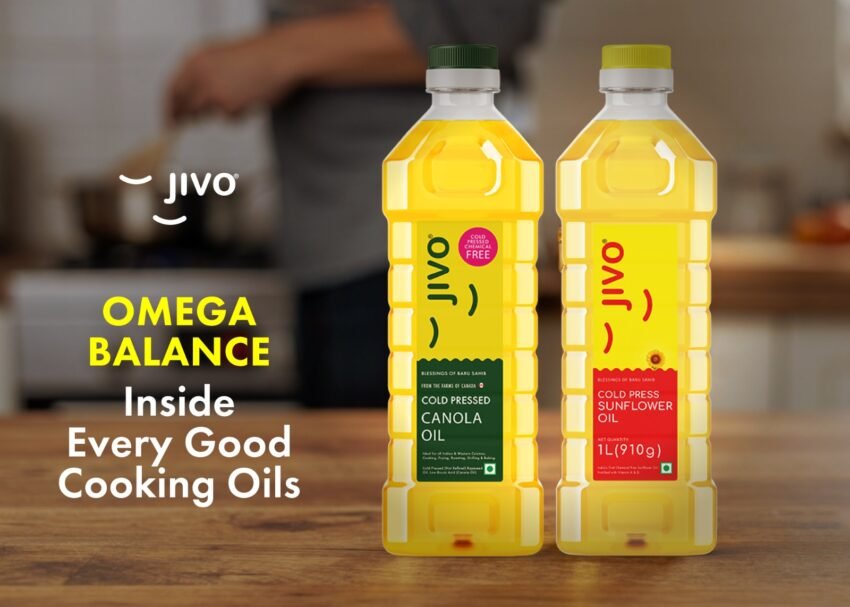
For a healthier choice, you can try Jivo’s cold-pressed oils, which are made to retain natural nutrients and support better fat balance in cooking.
If you are looking for the best cooking oils in India, Jivo’s range of cold-pressed oils can be a smart and natural option for your kitchen.
ALSO READ: Top Cooking Oils Rich in Omega-9