
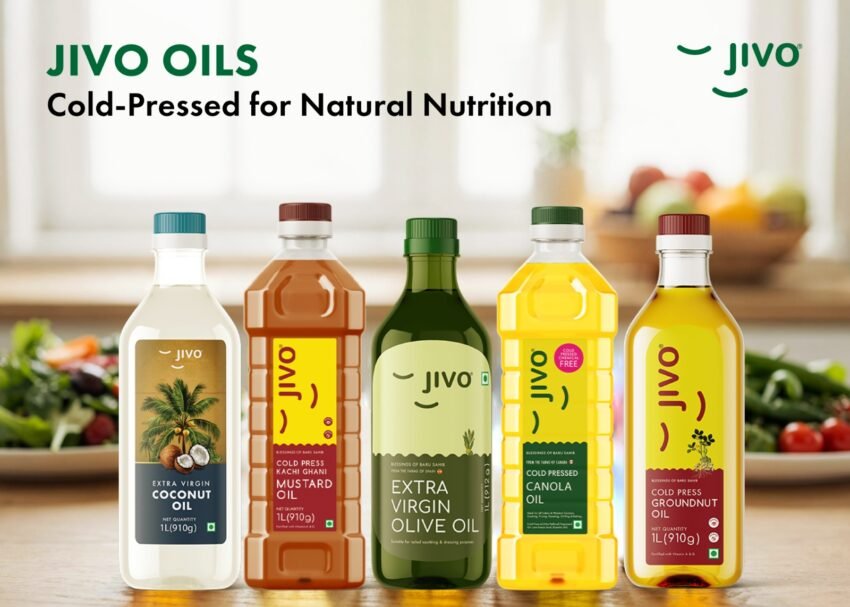
The best cooking oils in India are traditionally extracted using kachi ghani, wooden-pressed, or cold-pressed methods. These oils are healthy for cooking, while some cold-pressed brands offer vitamin fortified oils.
Best Cooking Oils
As you scroll your mobile screens while looking for the best cooking oils in India, you see a wide range of oils on Amazon, Zepto, and Flipkart. Mustard oil, groundnut oil, sunflower oil, rice bran oil, olive oil, canola oil, coconut oil, and several blended oils all compete for your attention. With so many options available, choosing the right oil can be quite difficult.
Many people simply buy the same oil their family has always used. Others pick an oil based on advertisements, attractive packaging, or health claims printed on the bottle. While these factors may influence buying decisions, they should not be the only reasons for selecting a cooking oil.
The truth is that there is no single oil that works perfectly for everyone. The ideal choice depends on your cooking style, dietary preferences, taste requirements, and nutritional goals. Understanding what to look for can help you make a more informed decision.
If you are searching for the best cooking oils in India, this guide will help you understand the key factors that matter before making a purchase.
Why Choosing the Right Cooking Oil Matters
Cooking oil is used daily in Indian kitchens for preparing breakfast, lunch, and dinner. It is more than a cooking medium; it contributes to both taste and nutrition. It is important to choose the best cooking oil to ensure that you and your family get the real health benefits of a healthy cooking oil.
There are different types of cooking oils in India, and they have similar fatty acid profiles, although in varying quantities. Further, some oils have additional nutrients added to provide extra health benefits.
Some are better suited for high-heat cooking, while others work best for low- to medium-heat cooking or salad dressings. The extraction process also plays a major role in determining the quality of an oil.
Rather than searching for the best healthy cooking oil, it is wise to understand what makes an oil healthy.
6 Tips for Choosing the Best Cooking Oils in India
Identifying the best cooking oils in India is quite simple. You just need to know about the 6 points mentioned below.
Choose Cold Pressed Oils Whenever Possible
One of the first things to check while buying cooking oil is the extraction method.
Cold pressing is a mechanical extraction process that helps obtain oil from seeds and nuts without exposing them to excessive heat. Since the oil is processed at minimal temperatures (Below 50 degrees Celsius), vital and natural nutrients remain intact, retaining their pure state.
Cold-pressed oils are preferred in India for their natural flavour, minimal processing, and nutritional properties. They are available in several varieties including cold-pressed mustard oil, canola oil, groundnut oil, sesame oil, coconut oil, and sunflower oil.
Consumers who prefer minimally processed products often consider cold-pressed oils among the best cooking oils in India because they undergo fewer processing steps compared to highly refined alternatives.
Look for Traditional Wood Pressed Oils
Wood pressing is another traditional extraction method that has remained popular for generations.
In this process, wooden equipment is used to slowly extract oil from seeds. The slower extraction process generates less heat compared to many industrial methods, helping preserve the oil’s natural characteristics.
Many households appreciate wood-pressed oils because they retain their original aroma and taste. Whether it is groundnut oil, sesame oil, or coconut oil, wood pressing continues to be associated with traditional food preparation practices.
When comparing products, understanding the extraction process can help you identify the best oil for cooking based on your personal preferences.
Understand Kachi Ghani Extraction Before Buying Mustard Oil
Mustard oil occupies a special place in Indian kitchens, especially in northern and eastern regions.
Kachi ghani refers to a traditional extraction process commonly used for mustard seeds. This method involves crushing the seeds to obtain oil while preserving its characteristic aroma and pungent flavour.
Many consumers prefer kachi ghani mustard oil, the best mustard oil in India, because it offers the authentic taste that traditional recipes demand. It is widely used in pickles, curries, vegetable preparations, and regional cuisines.
If mustard oil is a regular part of your cooking, understanding kachi ghani extraction can help you make a more informed buying decision.
Consider Vitamin Fortified Cooking Oils
Vitamin fortification has become increasingly common in the edible oil industry.
Many cooking oils are fortified with Vitamins A and D to help improve nutritional intake. These vitamins play important roles in supporting normal vision, immunity, bone health, and overall well-being.
While fortified oils should not replace a balanced diet, they can contribute to daily nutrient intake when consumed as part of regular meals.
For families looking for additional nutritional benefits, fortified oils may be worth considering when choosing the best healthy oil for cooking.
Explore Imported Cooking Oils for Variety
Imported cooking oils have gained significant popularity in India over the last decade.
Spanish olive oils, Canadian canola oils, and other internationally sourced oils are now widely available. Many consumers choose imported oils because they offer different flavour profiles and nutritional compositions.
Imported oils can be useful for specific cooking styles. For example, olive oil is commonly used for sautéing, roasting, and salad dressings, while canola oil is known for its mild taste and versatility.
When buying imported oils, check the country of origin, packaging quality, and storage conditions to ensure product authenticity.
Check for Science Backed Evidence Instead of Marketing Claims
Cooking oil advertisements often highlight various benefits and claims. While marketing can provide useful information, it should not be your only source of knowledge.
Instead, focus on measurable factors such as fat composition, nutritional information, extraction methods, fortification details, and intended usage.
Reading product labels carefully can provide a clearer picture of what you are purchasing. Evidence-based information is always more reliable than promotional slogans.
Consumers who take the time to research products are often better equipped to identify the best cooking oils in India for their specific needs.
Types of Cooking Oils Available in India
Some the popular cooking oils in India are listed below.
Mustard Oil
Mustard oil is widely used across northern and eastern India. It is known for its distinctive flavour and strong aroma that complement traditional recipes.
Groundnut Oil
Groundnut oil has a mild taste and is commonly used for everyday cooking. It is especially popular in western and southern India.
Sesame Oil
Sesame oil offers a rich flavour profile and is frequently used in regional cuisines. It is also valued for its traditional culinary applications.
Rice Bran Oil
Rice bran oil has a relatively neutral taste, making it suitable for a wide range of dishes. It is often chosen by consumers looking for versatility.
Sunflower Oil
Sunflower oil remains one of the most commonly used household oils due to its light flavour and widespread availability.
Soybean Oil
Soybean oil is another popular cooking oil used in many Indian homes for routine cooking applications.
Coconut Oil
Coconut oil is especially common in coastal regions of India. Its unique flavour makes it ideal for specific traditional dishes.
Olive Oil
Olive oil is available in several varieties and is increasingly being incorporated into Indian cooking practices.
Canola Oil
Canola oil has gained attention because of its mild taste and balanced fatty acid profile, making it suitable for multiple cooking methods.
How to Select the Best Oils for Cooking Based on Cooking Method
Not every cooking oil performs the same way in the kitchen. Some oils can withstand high temperatures, while others are better suited for low-heat cooking or finishing dishes. Choosing an oil according to your cooking style can improve both the taste and quality of your food.
Best Cooking Oils in India for Deep Frying
Deep frying involves prolonged exposure to high temperatures. Therefore, oils with a high smoke point are generally preferred for preparing snacks such as samosas, pakoras, kachoris, puris, and French fries.
Groundnut oil, rice bran oil, sunflower oil, and canola oil are commonly used for deep frying because they remain relatively stable at high temperatures. Their mild flavour also allows the natural taste of the food to stand out.
When deep frying, avoid overheating the oil and refrain from repeatedly reusing the same oil multiple times.
Best Cooking Oils in India for Everyday Indian Cooking
Most Indian households prepare a variety of dishes every day, including sabzis, dals, curries, parathas, and tempering for lentils. For such versatile cooking needs, oils that work well across different cooking methods are often preferred.
Mustard oil, groundnut oil, rice bran oil, sunflower oil, and canola oil are among the commonly used choices for everyday cooking. The right option often depends on regional food habits and flavour preferences.
For example, mustard oil is widely used in North and East India, while groundnut oil is popular in several western states.
Best Cooking Oils in India for Stir Frying
Stir frying requires moderate to high heat for a short duration. The oil should heat quickly without overpowering the flavour of vegetables, noodles, or other ingredients.
Groundnut oil, sesame oil, canola oil, and sunflower oil are suitable options for stir frying. Their relatively light flavour and cooking performance make them practical choices for quick-cooking recipes.
Best Cooking Oils in India for Baking
Baking often requires oils that blend well with other ingredients without affecting the taste of cakes, muffins, breads, or cookies.
Canola oil, sunflower oil, and light olive oil are commonly used because of their neutral flavour profile. These oils help maintain moisture in baked products while allowing the flavour of ingredients such as vanilla, chocolate, fruits, or spices to remain prominent.
Best Cooking Oils in India for Salads and Light Cooking
Salad dressings, dips, marinades, and light sautéing benefit from oils that contribute flavour as well as texture.
Extra virgin olive oil is a popular choice for salads because of its distinctive taste. Sesame oil is also used in certain Asian-inspired dressings and marinades. Cold-pressed oils are often preferred for such applications because they retain more of their natural flavour characteristics.
What Makes the Best Healthy Oil for Cooking
Many consumers focus exclusively on brand names. However, several important factors deserve equal attention.
Understanding Good Fats
Cooking oils contain varying proportions of saturated, monounsaturated, and polyunsaturated fats. A balanced dietary pattern includes a variety of fat sources.
Importance of MUFA and PUFA
Monounsaturated and polyunsaturated fats are commonly discussed when evaluating edible oils. Different oils contain these fats in varying amounts.
Why Smoke Point Matters
The smoke point refers to the temperature at which oil begins to smoke visibly. Selecting oils appropriate for your cooking method can help maintain cooking quality.
Importance of Balanced Fatty Acid Profile
No single fatty acid profile is ideal for every individual. Balance and moderation remain important considerations.
Importance of Minimal Processing
Many consumers prefer oils that undergo fewer processing steps. Understanding extraction methods can help evaluate product quality.
When these factors are considered together, identifying the best healthy oil for cooking becomes a more informed process rather than a marketing-driven decision.
Common Mistakes to Avoid When Buying Cooking Oils
Impulsive buying that are mostly price driven is quite common in India.
Buying Only Based on Price
The cheapest option may not always match your cooking requirements or quality expectations.
Choosing Oils Based Only on Advertisements
Promotional campaigns can be persuasive, but labels and product specifications deserve equal attention.
Ignoring Extraction Methods
The way oil is extracted can significantly influence its characteristics and suitability.
Not Checking Fortification Information
Consumers interested in fortified oils should verify the presence of added vitamins on the product label.
Using One Oil for Every Cooking Need
Different oils serve different purposes. Rotating oils or selecting oils based on cooking requirements can provide greater flexibility.
Quick Checklist Before Buying Cooking Oil
Before placing a bottle in your shopping cart, ask yourself these questions.
- What extraction method was used
- Is the oil cold pressed, wood pressed, kachi ghani, or refined
- Does the product contain vitamin fortification
- Have you checked the nutritional information
- Is the packaging properly sealed
- Have you checked the manufacturing date
- Is the product FSSAI compliant
- Does the oil match your cooking requirements
Buy the Best Cooking Oils in India
The 6 tips for buying the best cooking oils in India are never to be forgotten. These tips are very helpful in making the right decision. There are many oil brands in India, offering good quality oils, but one brand that fulfils all the 6 criteria is Jivo Wellness.
Jivo is one of the popular cold-pressed oil brands in India, know to be the largest seller of cold-pressed canola oil across the nation.
Why choose Jivo’s cold-pressed oils?
- Extracted through cold-pressing
- Kachi ghani extraction for traditional oil
- Vitamin A and D fortified oils
- Imported oils from Canada and Spain
- Adheres to label and certification norms
Frequently Asked Questions About Cooking Oils
Which Is the Best Cooking Oil in India for Daily Use?
There is no universal answer. The right choice depends on cooking habits, taste preferences, and nutritional requirements.
Is Cold Pressed Oil Better Than Refined Oil?
Both categories have their place. The choice depends on factors such as intended usage, flavour preferences, and processing preferences.
Is Kachi Ghani Mustard Oil Good for Everyday Cooking?
Many Indian households use kachi ghani mustard oil regularly because of its characteristic flavour and traditional culinary value.
Should You Rotate Different Cooking Oils?
Many nutrition experts recommend variety in dietary fat sources rather than relying exclusively on a single oil.
Which Oil Is Best for Deep Frying?
The answer depends on the specific cooking application, temperature requirements, and personal preferences.
15 FAQs on the Best Cold-Pressed Oils in India: Answering Your Top Questions
Conclusion
Choosing the right cooking oil goes beyond price or marketing claims. By understanding extraction methods, nutritional value, fortification, and cooking suitability, you can make a more informed choice for your family.
The best cooking oils in India are those that match your cooking habits, taste preferences, and nutritional needs. Rather than looking for a one-size-fits-all solution, focus on oils that offer quality, versatility, and balanced nutrition.
If you are looking for a trusted option, Jivo Cold-Pressed Oils are a great choice. Extracted through a cold-pressed process to help preserve the oil’s natural goodness, they are also fortified with Vitamins A and D for added nutritional support. Available in a range of variants, Jivo Cold-Pressed Oils combine traditional extraction with modern nutrition, making them a smart addition to everyday Indian cooking.