
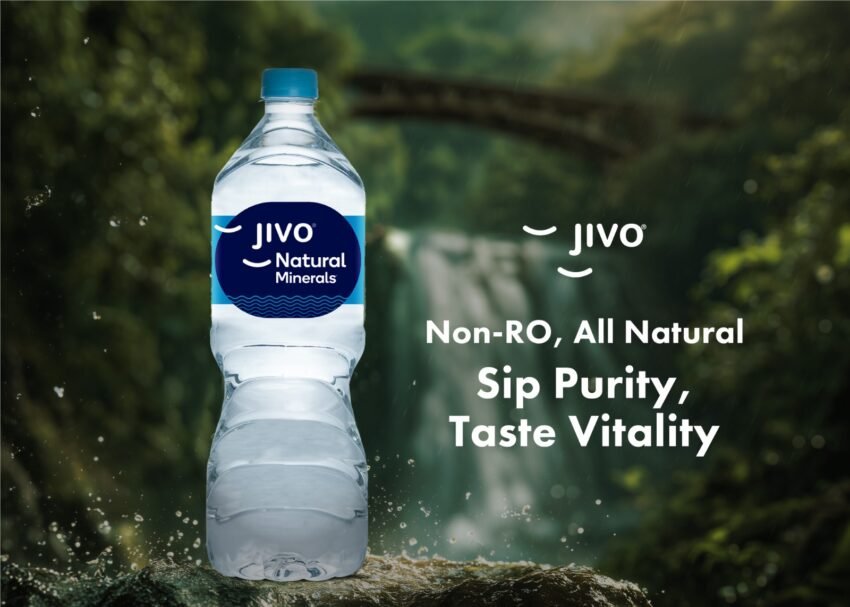
The best natural mineral water in India contains essential minerals in their natural state. Its the best mineral water with a natural mix of minerals. Natural mineral is sourced from natural underground water beds, springs, untouched by human.
About Natural Mineral Water
Choosing the best natural mineral water in India is crucial for staying healthy and preventing water-borne illnesses. Daily hydration is important, but the right mineral water does more than quench your thirst—it supplies your body with essential minerals that support overall wellness. These minerals help boost immunity, improve digestion, and protect you from diseases.
Not every bottled water provides these advantages. Many brands use only filtered water with few natural minerals, while top-quality options are rich in calcium, magnesium, and other nutrients sourced from pure springs or underground aquifers. To truly benefit, look for bottles labeled as natural mineral water, sourced and bottled at the origin.
If you want improved health, pick the best natural mineral water in India from trusted brands that prioritize purity, quality, and eco-friendly packaging. Choosing any packaged drinking water or purified water won’t offer the essential mineral requirements your body needs.
Difference Between Best Natural Mineral Water and Mineral Water in India
Understanding Real Mineral Water
First things first, what exactly is mineral water? There are different types of natural mineral water, having varied health benefits. Real mineral water can also be called as natural mineral water as it comes straight from a natural underground source. It carries minerals from rocks and soil as it flows. This gives it a unique taste and health boosting properties. But there are fake water brands in India too. Some water brands just filter tap water and call it mineral water, and that’s what most of the Indians are buying. That’s not actually right.
To spot the best natural mineral water in India, check the label. It should say “natural mineral water” clearly. Look for the source details, like a spring or aquifer. In India, the Bureau of Indian Standards (BIS) certifies genuine products. The label must show the BIS mark. Also, read the total dissolved solids (TDS) level. Right quality natural mineral water has a TDS between 50 to 500 mg/L. If it is too low, it might be purified water. Too high could mean impurities.
Don’t forget the pH level. Mineral water usually has a pH of 7 to 8.5, which is slightly alkaline. This helps balance your body’s acidity. Avoid bottles without clear information. If it says “purified by reverse osmosis,” it’s not natural mineral water – it is RO water. Stick to sealed bottles from trusted sources. Open ones can get contaminated easily.
In India, with so many options, it’s easy to get confused. Always buy from reputable stores and choose trusted mineral water brands in India. Check the expiry date too. Water doesn’t spoil, but the bottle might degrade over time. Check for mineral content and the source/origin of water at the back label. Minerals and the source are important points to check. Minerals should be naturally present – not added. These simple checks help you avoid low-quality mineral water bottles and ensure to have the best natural mineral water in India.
What Makes the Best Natural Mineral Water Different?
Natural mineral water stands out because it’s untouched by humans until bottling. It is sourced from deep earth, carrying minerals naturally and is free from added chemicals or artificial processes. This keeps the water pure and full of goodness.
The best natural mineral in India water keeps all its original minerals, unlike regular bottled water that often comes from city supplies and gets a lot of processing. The minerals stay as nature intended, making it a better choice for daily drinking. It can help with digestion, keep bones healthy, and even support better skin over time.
In India, natural sources like Himalayan springs provide some of the purest waters. These areas have clean geology, free from pollution. But not all brands source from there except for Jivo. Some mineral water brands in India source water from local wells, which might vary in quality. Always verify the origin on the pack.
The best natural mineral water in India tastes crisp and sometimes a little earthy because of its natural minerals. Regular water often tastes plain or flat. If you haven’t tried mineral water before, take small sips to see how it’s different. As you get used to it, you may find you enjoy its natural taste more.
Key Minerals in the Best Natural Mineral Water and Their Health Benefits
One big reason to choose the best natural mineral water in India is the essential minerals it contains. These come naturally and offer real health benefits. Let’s break down the main ones. Each plays a role in keeping you healthy.
Calcium
Calcium is one of the essential minerals in natural mineral water. Calcium-rich mineral water helps build strong bones and teeth. It helps muscles contract and nerves send signals. If you drink mineral water with calcium daily, it can lower the risk of osteoporosis, especially as you age. In India, where dairy intake varies, this is a handy supplement. A glass can give you 20-30% of your daily need.
Also Read: Bone Problems Linked to Demineralised Water Consumption
Magnesium
Next is magnesium. It relaxes muscles and calms the nervous system. Magnesium fights stress and improves sleep. It also helps control blood pressure. Studies show it reduces heart disease risk. For active people, it prevents cramps after workouts. Mineral water often has 10-20 mg per liter, which adds up nicely. The best natural mineral water will always the required levels of magnesium, so, buy water only from reputed mineral water brands in India.
Potassium
Potassium is key for heart health. It balances sodium levels, keeping blood pressure steady. It supports kidney function and muscle work. In hot climates like India’s, you lose potassium through sweat. Drinking mineral water replenishes it, reducing fatigue. Aim for waters with at least 5 mg/L. Having adequate amount of potassium is important. Trust popular packaged natural mineral water brand in India, ensuring the presence of the required levels of potassium.
Sodium
Sodium is present in small amounts. It maintains fluid balance and nerve function. But too much can raise blood pressure. Mineral water typically contains sodium in small amounts, mostly as sodium bicarbonate, which does not raise blood pressure. Keeping sodium levels low, usually under 20 mg/L, in mineral water makes it safe for individuals, including those on low-salt diets. Choosing mineral water with balanced sodium content supports hydration and heart health without contributing to hypertension risks.
Bicarbonate
Bicarbonate helps with digestion. It acts as a gentle antacid, soothing the gut after spicy or heavy meals. Mineral waters with higher bicarbonate levels, around 100 mg/L, support digestive comfort and promote healthier gut function. Regular intake of bicarbonate-rich mineral water may also enhance gastric emptying and protect the esophageal lining from acid damage, making it beneficial for those with digestive concerns.
Silica
Silica is less talked about but useful. It strengthens hair, nails, and skin. It boosts collagen production, which helps improve skin elasticity and reduce wrinkles. Silica also strengthens bones and supports overall body detoxification. Drinking silica-rich natural mineral water regularly promotes youthful skin and healthy connective tissues, making it an excellent choice for daily hydration. Choosing mineral water with natural silica can enhance your beauty and wellness naturally and safely.
Sulfate
Sulfate aids detoxification. Sulfates also aid liver function by promoting the metabolism and elimination of toxins, supporting overall body cleansing. Additionally, sulfate-rich mineral water can relieve constipation by enhancing bowel movements and maintaining gut health. However, it is important to consume sulfates in moderate amounts to avoid stomach discomfort, making balanced mineral water a smart hydration choice for digestive wellness.
These minerals work together. They make mineral water more than just hydration. It’s like a daily health drink. Check labels for mineral breakdown. Brands list them per liter. Choose based on your needs, like more calcium for bone health.
Why Sustainability Matters in Mineral Water Choices
Sustainability is a hot topic now. It should influence your pick of mineral water too. Reputed mineral water brands care about the planet. They source water without depleting aquifers. Over-pumping can harm local ecosystems.
Look for brands that use renewable sources. In India, some draw from deep, protected springs that recharge naturally. Avoid those from stressed areas. Sustainable packaging is key. Glass bottles are eco-friendly but heavy to transport. PET plastic is common, but recyclable ones are better. Check if the brand uses recycled plastic.
Water conservation counts. Top brands invest in rainwater harvesting or community projects. This ensures long-term supply. In India, water scarcity is real in many places. Supporting sustainable mineral water helps.
Carbon footprint matters. Local sourcing cuts transport emissions. Brands with green certifications, like ISO 14001, follow eco-standards. They reduce waste and energy use in bottling.
As consumers, our choices drive change. Pick brands that share their sustainability reports. This transparency builds trust. Over time, it leads to better practices across the industry.
Tips for Identifying the Right Mineral Water
Now, let’s get practical. How do you pick the best natural mineral water bottle? Start with certification. In India, BIS approval is a must-have. It ensures safety and quality. The FSSAI license is another good sign.
Read the label carefully. It should list source, TDS, and minerals. Avoid vague claims like “enriched with minerals.” Real ones specify naturally occurring ones. Taste test at home. Buy small packs first. The right one feels refreshing, not metallic.
Consider your needs. For families, low-sodium options work. Athletes might want higher electrolytes. Check reviews online. Real users share honest feedback on taste and purity.
Price isn’t everything. Cheaper ones might cut corners. The best mineral water in India balances quality and cost. Compare mineral water brands in India for value. Some offer bulk deals without compromising.
Storage tips: Keep bottles away from sun. Heat can affect quality. Once opened, finish in a day. These habits keep the water fresh.
Don’t ignore local options. Many regional brands use pure sources. They might be fresher than big names shipped far.
How to Identify Mineral Water Label Like an Expert
Here’s what you need to check before buying mineral water in India:
- BIS License Number
- FSSAI License
- Source of water
- Bottling at source
- Mineral composition
- TDS
- pH
- Manufacturing & expiry date
- Batch number
- Packaging integrity
Is Every Bottled Water Sold in India Really Mineral Water?
Many people use the terms bottled water and mineral water interchangeably, but they are not the same. In India, bottled water is regulated under different categories, each with its own standards defined by the Food Safety and Standards Authority of India (FSSAI) and the Bureau of Indian Standards (BIS).
Understanding these differences can help you choose the right product based on your needs and avoid confusion when reading product labels.
Packaged Drinking Water
Packaged drinking water can come from various approved sources, including groundwater, surface water, municipal water supplies, or even seawater after desalination. Before it is bottled, the water undergoes purification processes such as filtration, reverse osmosis (RO), demineralisation, remineralisation (where applicable), UV treatment, or ozonation to ensure it meets safety standards for drinking.
This category is regulated under BIS IS 14543.
Natural Mineral Water
Natural mineral water is sourced from protected underground aquifers or springs. One of its defining characteristics is that it possesses a naturally occurring mineral composition, which must remain essentially unchanged. Only limited treatments permitted under Indian standards may be used to remove unstable elements or improve safety without altering the water’s essential characteristics.
This category is regulated under BIS IS 13428.
Key Differences at a Glance
| Feature | Packaged Drinking Water | Natural Mineral Water |
| Primary source | Various approved water sources | Protected underground source or spring |
| Purification | Extensive treatment permitted to meet drinking water standards | Only limited treatments allowed under the standard |
| Mineral composition | May vary depending on treatment and remineralisation | Naturally occurring and required to retain its characteristic composition |
| BIS Standard | IS 14543 | IS 13428 |
Vital Sources of the Best Natural Mineral Water in India
The quality of natural mineral water begins at its source. As water slowly travels through layers of rock, sand, and soil over many years, it undergoes a natural filtration process and absorbs valuable minerals from the surrounding geological formations. This natural journey contributes to the purity, taste, and mineral composition that people often associate with the best natural mineral water in India.
India is fortunate to have several regions with ideal conditions for the formation of natural mineral water. These areas are known for their protected aquifers, natural springs, and unique geological structures that help preserve water quality while enriching it with naturally occurring minerals.
Himalayan and Shivalik Regions
The Himalayan and Shivalik mountain belts are among the most renowned sources of natural mineral water in India. Stretching across Uttarakhand, Himachal Pradesh, Jammu and Kashmir, and Sikkim, these regions contain protected underground aquifers and natural springs. As water passes through layers of rock over several years, it naturally absorbs minerals while remaining shielded from surface contamination.
Western Ghats
The Western Ghats are one of India’s most important groundwater recharge zones. Regions such as the Sahyadri Range, Nilgiri Hills, Brahmagiri Range, and Wayanad Highlands receive abundant rainfall and support dense forest ecosystems. These conditions help replenish deep aquifers that produce naturally pure and mineralized groundwater.
Eastern Ghats
The Eastern Ghats contain ancient geological formations that support underground aquifers and natural springs. Areas such as Araku Valley, Nallamala Hills, Similipal Hills, and Javadi Hills are known for their rich geological diversity, which contributes to the natural mineralization of groundwater.
Natural Spring Regions
Several plateau regions in Jharkhand and Chhattisgarh are known for their spring fed water systems and protected groundwater reserves. Notable examples include the Netarhat Plateau and Ranchi Plateau in Jharkhand, along with the Mainpat Plateau and Bastar Plateau in Chhattisgarh. These regions benefit from forest cover and natural groundwater recharge processes.
Aravalli Range
One of the oldest mountain systems in the world, the Aravalli Range contains deep underground aquifers that store naturally mineralized groundwater. Important water bearing regions include the Udaipur belt, Mount Abu foothills, and parts of Alwar and surrounding areas in Rajasthan and Gujarat.
Deccan Plateau
The Deccan Plateau is characterized by ancient volcanic basalt formations that influence the mineral composition of groundwater. Regions across western Maharashtra, northern Karnataka, Telangana, and parts of central India contain extensive aquifer systems that support naturally mineralized underground water reserves.
Major Natural Mineral Water Source Regions in India
| Region | States | Primary Source | Characteristics |
| Himalayan and Shivalik Region | Uttarakhand, Himachal Pradesh, Jammu and Kashmir, Sikkim | Springs and Aquifers | Naturally filtered, mineral rich, protected sources |
| Western Ghats | Mahabaleshwar, Coorg, Wayanad, Silent Valley region | Deep Aquifers and Springs | High rainfall recharge, forest protected catchments, natural purity |
| Eastern Ghats | Araku Valley, Nallamala Hills, Similipal region | Underground Aquifers and Springs | Mineral rich geological formations |
| Jharkhand Spring Belt | Netarhat Plateau, Ranchi Plateau, Parasnath Hills region | Natural Springs | Spring fed water emerging from ancient rock formations |
| Chhattisgarh Spring Belt | Mainpat Plateau, Kanger Valley region, Bastar Plateau | Natural Springs and Aquifers | Forest supported groundwater recharge systems |
| Manikaran Region | Himachal Pradesh | Thermal Springs | Naturally mineralized groundwater influenced by geothermal activity |
| Aravalli Range | Udaipur region, Mount Abu foothills, Alwar belt | Confined Aquifers | Ancient geological formations and deep groundwater reserves |
| Deccan Plateau | Western Maharashtra, Northern Karnataka, Telangana Plateau | Basalt Aquifers | Groundwater influenced by volcanic rock formations |
Water sourced from these regions hold natural minerals without any alteration. The best mineral water in India needs to be from these sources to have minerals in their natural form. The source of water plays a crucial role in determining its quality. Regions with protected aquifers, natural springs, and stable geological formations are better equipped to produce water with a consistent mineral profile. This is one of the reasons why many consumers looking for the best natural mineral water in India pay close attention to the origin of the water they choose.
Whether sourced from Himalayan aquifers, Western Ghats groundwater reserves, or natural spring systems, genuine natural mineral water derives its quality from nature itself. The combination of geological protection, natural filtration, and mineral enrichment helps create what many consider the best mineral water in India.
How We Tested and Reviewed Mineral Water Brands in India
Before recommending anything, we wanted to actually check what’s inside the bottles being sold as mineral water in India — not just rely on what the label claims. So we picked up sealed bottles from local kirana stores, supermarkets, and online platforms across different cities, and looked at them the same way an informed buyer should.
Here’s what we checked on each bottle:
TDS (Total Dissolved Solids) — using the number printed on the label and comparing it against the BIS-approved range of 50–500 mg/L. Bottles with unusually low TDS often turned out to be purified or RO water mislabeled as “mineral.”
pH level — most genuine natural mineral water fell between 7 and 8.5, confirming it was naturally alkaline rather than adjusted after bottling.
Source declaration — we specifically looked for a named spring, aquifer, or region on the back label. Bottles that just said “sourced from approved water source” without naming a location raised questions.
BIS and FSSAI marks — every genuine natural mineral water bottle sold in India is required to carry a valid BIS license number under IS 13428. We cross-checked a few license numbers to confirm they were active.
Taste test — this part was less scientific but still useful. Natural mineral water tends to have a slightly crisp or mineral-forward taste, while RO or purified water usually tastes flat or neutral.
Packaging and seal integrity — checked for tamper-proof seals, batch numbers, and manufacturing dates, since these details matter more than people realise when buying bottled water in bulk.
What we found matched a pattern that’s fairly common across mineral water brands in India: a lot of bottled water on shelves is technically “packaged drinking water” (BIS IS 14543) rather than true natural mineral water (BIS IS 13428) — and most buyers never notice the difference because the labels look almost identical at a glance.
This hands-on check is also why we keep repeating the same advice through this guide: don’t just trust the front label or the brand name. Flip the bottle, look for the source, the BIS number, and the TDS range, and you’ll know within seconds whether you’re holding the best natural mineral water in India or just filtered tap water with a nicer bottle.
TDS Levels in Different Types of Water: A Simple Comparison
If you’ve ever pointed a TDS meter at your RO purifier and wondered whether the number on the screen is good or bad, you’re not alone. Most of us in India have grown up believing “lower TDS means purer, and purer is always better.” That’s actually not true, and it’s worth clearing up before you decide what water to drink every day.
TDS stands for Total Dissolved Solids. In simple terms, it’s everything that’s dissolved in water — mostly minerals and salts — measured in milligrams per litre (mg/L), which is the same as parts per million (ppm). The number by itself doesn’t tell you whether water is safe or healthy. What matters is what’s dissolved in it and how much. Water with almost no TDS isn’t automatically the healthiest choice either — it often tastes flat, and if it’s the only water you drink for months on end, you’re missing out on the small, steady amount of calcium, magnesium and other minerals that water naturally contributes to your diet.
Here’s roughly how TDS looks across the different kinds of water you’ll come across in India:
| Type of Water | Typical TDS (mg/L) | What This Means |
| Rainwater | 5–20 | Almost mineral-free, since it hasn’t touched soil or rock yet |
| Distilled water | Close to 0 | Used for labs, batteries, medical equipment — not meant for daily drinking |
| RO purified water (straight from the machine, no mineraliser) | 10–50 | Most minerals removed; can taste flat if this is the final output |
| RO water with a mineraliser/TDS controller | 50–150 | Minerals blended back in after purification; most home purifiers are set to land in this range for the best mix of taste and mineral content |
| Municipal tap water | Often quoted around 100–400 as a general figure, but this varies much more city to city | Lake or river-fed cities (like Mumbai or Chennai) tend to sit toward the lower end; groundwater-dependent cities (like Jaipur, Ahmedabad, Surat, and parts of Delhi NCR) frequently cross 500–1,000+ mg/L |
| Packaged drinking water (BIS IS 14543) | Maximum 500 mg/L, | The standard sets only an upper limit, with no minimum requirement, since the purpose of this category is purification and safety, not mineral content |
| Natural mineral water in India (BIS IS 13428) | 150 to 700 | Minerals occur naturally from the spring or aquifer it’s drawn from, not added afterwards |
Choose the Best Natural Mineral Water in India
When it comes to trusted choices, Jivo’s Natural Mineral Water stands out. Sourced from natural springs and aquifers of the Himalayan and Shivalik regions in India, it is naturally rich in essential minerals like calcium and magnesium. Jivo prioritizes purity and sustainability, using eco-friendly methods throughout its production. Their recyclable bottles and support for water conservation efforts reflect their commitment to the environment.
If you are looking for the best natural mineral water, Jivo offers a refreshing, crisp taste along with important health benefits. Among mineral water brands, it is highly regarded for its quality and transparency. Choosing from the best natural mineral water brands in India can suffice your daily hydration need for a healthier lifestyle.
Interesting Facts About Best Natural Mineral Water
Natural Underground Filtration
Natural mineral water slowly passes through layers of rock, sand, and soil underground, where nature helps filter the water over time before it reaches the source.
Years Long Journey
A single drop of natural mineral water may spend several years underground, gradually collecting minerals as it moves through the earth.
Minerals Come from Rocks
The calcium, magnesium, and other minerals found in natural mineral water are naturally absorbed from underground rock formations during the water’s journey.
Every Source Has a Unique Taste
Natural mineral water from different regions can taste different because the underground rocks and minerals vary from one location to another.
Naturally Cool Temperature
Water stored deep underground often remains naturally cool because underground temperatures stay more stable throughout the year.
Protected Deep Below Earth
Natural mineral water sources are usually protected beneath layers of rock and soil, which helps reduce exposure to many outside contaminants.
Nature Adds Minerals Slowly
Minerals are not added instantly. Water slowly absorbs them over many years while flowing through underground geological layers.
Underground Aquifers Store Water
Aquifers are natural underground storage systems that collect rainwater and hold it safely beneath the earth’s surface.
Rainwater Starts with Very Few Minerals
Fresh rainwater contains very low mineral content initially. It becomes mineral-rich only after traveling underground through mineral-bearing rocks.
Rock Type Influences Water Quality
Water flowing through limestone may become smoother and richer in calcium, while volcanic rocks can contribute different minerals and taste characteristics.
Natural Mineral Water Is Usually Bottled at the Source
Many natural mineral waters are bottled directly at the spring or source location to help preserve their original purity and mineral balance.
Underground Pressure Can Push Water Up Naturally
Some natural springs flow to the surface on their own because underground pressure naturally pushes the water upward.
Mineral Content Can Change the Mouthfeel
The mineral composition of water can influence how it feels while drinking, making it feel smoother, lighter, or more refreshing.
Mountains Often Produce High Quality Mineral Water
Mountain regions are known for natural mineral water because rainwater passes through multiple layers of rock during its underground journey.
Long Underground Storage Supports Stability
Water that remains underground for long periods often develops a more stable mineral composition through continuous interaction with rocks and soil.
Different Regions Produce Different Mineral Profiles
Natural mineral water from one region may contain more magnesium, while another may contain higher calcium levels depending on local geology.
FAQs
1. How is natural mineral water different from regular bottled water?
Natural mineral water comes directly from underground springs and naturally contains beneficial minerals like calcium, magnesium, and potassium. Regular bottled water is often just purified tap water or RO water, without these natural mineral benefits. Choose the best natural mineral water in India by reputed water brands.
2. What is the ideal TDS level in natural mineral water?
For safe and healthy drinking, the Bureau of Indian Standards (BIS) recommends a TDS level between 50–500 mg/L. This ensures the water retains essential minerals while staying free from harmful impurities.
3. Which is the best mineral water to buy in India?
The best mineral water brands in India are those certified by BIS and FSSAI, with clear source details, proper mineral content, and sustainable packaging.
4. Why is the mineral content in natural mineral water important?
Minerals like calcium, magnesium, and potassium in mineral water support bones, muscles, and hydration balance naturally—benefits not found in regular purified water. Choosing mineral water means getting these essential nutrients daily.
5. Does mineral water improve bone strength?
Yes, the calcium and magnesium in mineral water support bone density and help prevent osteoporosis.
6. How much mineral water should you drink daily for balanced hydration?
The Mayo Clinic recommends around 2.7 to 3.7 liters daily. This quantity helps maintain hydration and mineral balance, depending on your lifestyle and health.
7. What is natural mineral water?
Natural mineral water is pure underground water naturally enriched with minerals like calcium, magnesium, and potassium. It is bottled directly at its source, ensuring its original purity and composition remain intact. It is free from chemical treatment and delivers natural hydration, the best mineral water in India for consumption.
8. How is natural mineral water made?
Natural mineral water cannot be made manually. It is directly collected from deep underground sources like protected springs or wells, where it naturally absorbs minerals as it passes through rocks and soil. It is bottled directly at the source, without adding chemicals or artificial treatments, keeping its original purity and mineral content.
9. What are the different types of classification for Natural Mineral Water?
Natural mineral water can be categorized as – sulphate mineral waters, bicarbonate mineral waters, chloride mineral waters, magnesiac mineral waters, calcic mineral waters, fluorurate mineral waters, sodium-rich mineral waters, and ferrous mineral waters.
10. What is natural co2 in mineral water?
Natural CO2 in mineral water is the bubbly gas that comes straight from underground springs or rocks, not added by machines. It makes the water fizz naturally and often adds healthy minerals too.
11. What are the main essential minerals in natural mineral water and their benefits?
Key minerals include calcium (for bones and muscle contraction), magnesium (for muscle relaxation and fighting fatigue), potassium (for fluid balance and heart health), and sodium (to prevent dizziness in heat). These help meet daily needs, especially higher during summer sweating.
12. Is BIS certification mandatory for natural mineral water in India?
Yes, BIS (Bureau of Indian Standards) certification is mandatory for all packaged natural mineral water sold in India. It ensures the water meets strict safety, purity, and mineral standards. Always look for the BIS mark on the label before buying.
13. How does pH level affect mineral water quality?
The ideal pH for drinking and mineral water is 6.5–8.5 as recommended by WHO and EPA. Slightly alkaline water (7.0–8.5) is often preferred for better taste and helping neutralize body acidity.
14. Does the source location matter when choosing mineral water?
Yes, the source location is very important. Water from protected underground springs or aquifers in pristine areas (like Himalayan foothills) usually has better natural mineral content and lower pollution risk. Reputed brands clearly mention the exact source on the label.
15. Can natural mineral water expire or go bad?
Natural mineral water does not spoil like food, but it has a best-before date (usually 6–12 months). Over time, the plastic bottle can leach micro-particles, and the mineral balance may slightly change. Always check the date and store in a cool, dark place.
16. What is the difference between still and sparkling natural mineral water?
Still natural mineral water has no added or natural CO2 and is flat. Sparkling (carbonated) natural mineral water contains natural CO2 from the underground source, giving it bubbles. Both are good — choose based on preference and digestive comfort.
Conclusion
Choosing the best mineral water doesn’t have to be hard. Start by knowing what real mineral water is. Understand natural sources and the minerals inside. Think about sustainability and check labels smartly. With these tips, you’ll find options that suit your health and the environment.
In India, we have great mineral water brands to explore, especially Jivo. The best natural mineral water in India combines purity, taste, and benefits. Make it a habit to read before buying. Your body will thank you. Stay hydrated and choose wisely!
9 thoughts on “Essential Tips before Choosing the Best Mineral Water in India”
Comments are closed.