
Ghee has a rich traditional legacy, while butter is more popular among the younger generation. Both compete with each other and are widely consumed. Pure ghee has a distinctive dairy-like aroma, while butter has a mild, creamy aroma.
In North India, especially in Delhi and Punjab, both ghee and butter are commonly used as toppings or spreads in daily meals. People living in rural areas often consider ghee to be one of the best sources of nutrition. The role of ghee is not confined to the kitchen; it is also trusted for its therapeutic uses and holds a prominent place in Ayurveda. Several natural remedies, including topical applications and medicinal preparations, use ghee as a key ingredient. This versatility is something butter does not offer.
One reason butter continues to be widely consumed is its salty taste, which enhances the flavour of many dishes. Ghee also enhances taste but generally offers greater nutritional value than butter, provided you are using the best ghee in India.
However, let’s not jump to conclusions. After reading this informative blog, you will gain a clear understanding of both ghee and butter and be able to decide which one is the better choice for you.
What Is the Difference Between Ghee and Butter
Ghee and butter are made from milk but their preparation is quite different.
Butter is made by churning cream until the fat separates from the liquid. It contains milk fat along with water and small amounts of milk proteins and lactose. This gives butter its creamy texture and mild flavour.
Ghee begins as butter. It is slowly heated until the water evaporates and the milk solids separate from the fat. These milk solids are then removed, leaving behind pure golden milk fat with a rich and nutty aroma.
This simple process changes several properties of ghee.
Because most of the moisture is removed, ghee lasts much longer than butter when stored properly. It also develops a higher smoke point, making it suitable for cooking at higher temperatures. Since most of the lactose and casein are removed during clarification, many people with mild lactose intolerance find ghee easier to consume than butter.
These differences explain why ghee has remained a staple in Indian cooking for centuries.
Ghee vs Butter Nutritional Comparison
At first glance, ghee and butter appear very similar because both are rich in milk fat. However, removing the water and milk solids makes ghee slightly more concentrated.
| Nutrient | Ghee | Butter |
| Calories | 123 kcal | 100 kcal |
| Total Fat | 14 g | 11 g |
| Saturated Fat | 9 g | 7 g |
| Monounsaturated Fat | 4 g | 3 g |
| Polyunsaturated Fat | 0.5 g | 0.5 g |
| Protein | Trace | Trace |
| Carbohydrates | Trace | Trace |
| Lactose | Negligible | Present |
| Casein | Negligible | Present |
| Vitamin A | 13% DV | 11% DV |
| Vitamin E | 3% DV | 2% DV |
| Vitamin K | 1% DV | 1% DV |
| Smoke Point | About 250°C | About 175°C |
Values are approximate for one tablespoon (14 g) and may vary slightly depending on the brand and source of milk.
The nutritional differences are not dramatic, but they do influence how each one performs in everyday cooking.
Ghee naturally contains fat soluble vitamins such as vitamins A, E and K. These vitamins play an important role in maintaining vision, immunity and normal body functions. Butter also contains these nutrients, although ghee offers them in a more concentrated form because the water has been removed.
One important point to remember is that both ghee and butter are high in saturated fat. This means neither should be consumed without portion control. Including moderate amounts as part of a balanced diet is a better approach than consuming large quantities.
People searching for the best ghee in market often focus only on nutritional values. While nutrition matters, purity, preparation method and ingredient quality are equally important when choosing ghee for everyday use.
Is Ghee Healthier Than Butter
This question is asked by most.
There is no simple yes or no answer because both have nutritional value.
In many cases, ghee can be a healthier choice than butter, especially for Indian cooking. While both are dairy-based fats and should be consumed in moderation, ghee offers a few advantages that make it a preferred option for many households.
Ghee is made by slowly heating butter to remove water and milk solids. This leaves behind pure milk fat with very little lactose, making it a better option for people who are sensitive to lactose. It also has a higher smoke point than butter, so it stays more stable during high-heat cooking methods such as tempering, frying and roasting.
Another advantage is that ghee has a rich flavour, so a small amount is often enough to enhance the taste of food. Butter is excellent as a spread and for baking, but it is less suitable for the high temperatures commonly used in Indian cooking.
If you cook traditional Indian meals regularly, ghee is generally the better choice over butter. When choosing the best ghee in India, look for products made from high-quality milk using traditional methods to ensure good flavour and quality.
ALSO READ: Despite High Saturated Fat, Is Ghee Healthy For All
Benefits of Ghee Over Butter
Several characteristics make ghee a preferred choice in many households.
Better for High Heat Cooking
One of the biggest advantages of ghee is its high smoke point. It is known for its thermal stability.
When cooking oil or fat reaches its smoke point, it begins to break down and produces smoke. Ghee can tolerate much higher temperatures than butter before this happens.
This makes it an excellent choice for preparing Indian dishes that involve sautéing vegetables, roasting spices or making tadka for dals and curries.
The higher heat stability also helps preserve the flavour of the dish without burning the fat too quickly.
Contains Very Little Lactose
Many people reduce dairy products because of lactose intolerance.
Since the milk solids are removed during the preparation of ghee, it contains only trace amounts of lactose. This makes it a suitable option for many individuals who cannot comfortably consume butter.
Rich in Fat Soluble Vitamins
Ghee naturally provides vitamins A, E and K, which are important for several body functions.
- Vitamin A supports normal vision and immune health.
- Vitamin E works as an antioxidant that helps protect cells from oxidative stress.
- Vitamin K contributes to normal blood clotting and bone health.
These nutrients are naturally present in milk fat, making ghee more than just a cooking ingredient.
Contains Butyric Acid That Supports Gut Health
One of the lesser known nutrients found in ghee is butyric acid. It is a short chain fatty acid that plays an important role in supporting the cells that line the intestine. A healthy gut lining is essential for proper digestion and nutrient absorption.
Although the amount of butyric acid in ghee is not very high, it is still one of the naturally occurring compounds that makes ghee nutritionally interesting. It should not be seen as a cure for digestive problems, but it can be a valuable addition to a balanced diet.
When enjoyed in moderation, ghee complements an overall healthy eating pattern that includes whole grains, vegetables, fruits, pulses and other nutritious foods.
Rich Flavour Means You Often Use Less
Taste is one area where ghee has always stood apart.
Whether it is spread over a hot roti, drizzled on dal or mixed into steaming rice, even a small spoonful of ghee can enhance the flavour of an entire meal. Its rich aroma and nutty taste make everyday dishes feel more satisfying.
Interestingly, this stronger flavour can also work in your favour. Since ghee adds richness quickly, many people find that they do not need to use large quantities to achieve the desired taste.
Longer Shelf Life
Unlike butter, ghee contains almost no water. This gives it a much longer shelf life when stored properly in a clean, dry container.
Many Indian households have traditionally stored ghee at room temperature for weeks without any issues. While modern kitchens may have different storage conditions, good quality ghee generally remains fresh for much longer than butter because there is very little moisture to encourage spoilage.
This also makes ghee a convenient pantry staple that is ready to use whenever you need it.
Butter vs Ghee for Heart Health
Heart health is one of the biggest concerns when people compare ghee and butter. Since both are rich in saturated fat, it is natural to wonder whether one is a better choice than the other.
The answer is not as straightforward as many social media posts suggest.
Both butter and ghee contain saturated fat, which can raise LDL (bad) cholesterol levels when consumed in excess. Elevated LDL cholesterol is a well-known risk factor for heart disease, which is why health experts recommend consuming foods rich in saturated fat in moderation.
At the same time, some experts believe ghee may offer certain advantages over butter. For example, Dr. Sanjay Kumar, a cardiologist, notes that ghee contains Conjugated Linoleic Acid (CLA), a naturally occurring fatty acid with antioxidant and anti-inflammatory properties. According to him, when consumed in moderation, these properties may support heart health, making ghee a better choice than butter for many people.
Even so, your overall eating pattern matters far more than any single ingredient. A balanced diet that includes vegetables, fruits, whole grains, pulses, nuts and seeds, along with moderate amounts of ghee, can support a healthy lifestyle.
Replacing every cooking fat with ghee is not necessary. Likewise, completely avoiding ghee is also not required for most healthy individuals. Portion size and overall dietary balance remain the most important factors.
If you already have high cholesterol, heart disease or another medical condition, it is always best to follow the advice of your healthcare professional regarding the type and amount of fat you consume.
Ghee vs Butter for Weight Loss
Many people trying to lose weight completely stop eating ghee because they believe it is loaded with unhealthy fat. Others start adding extra ghee to every meal after reading claims that it burns body fat.
Neither approach tells the complete story.
Both ghee and butter are calorie dense foods. One tablespoon of ghee provides around 123 calories, while the same amount of butter provides about 100 calories. Eating either one in excess can increase your total calorie intake.
Weight loss depends on maintaining a calorie deficit over time. No single food can guarantee fat loss or prevent weight gain.
That does not mean ghee has no place in a weight management plan.
Healthy fats help make meals more satisfying. Adding a small amount of ghee to dal, vegetables or rotis may help improve taste and make balanced meals more enjoyable. This can reduce the temptation to snack on highly processed foods later in the day.
Instead of asking whether ghee or butter is better for weight loss, it is more useful to ask how much you are consuming and what the rest of your diet looks like.
Which Is Better for Digestion
Digestibility is another area where ghee often receives more attention than butter.
Since most of the lactose and milk proteins are removed during the preparation of ghee, many people with mild lactose intolerance find it easier to consume than butter.
Ghee also contains naturally occurring butyric acid, which supports the cells lining the digestive tract.
However, this does not mean that ghee can treat digestive disorders or improve gut health on its own. Good digestion depends on several factors including fibre intake, hydration, physical activity and overall dietary habits.
For people who experience discomfort after eating butter, switching to ghee may offer better digestive comfort. Those with a severe milk allergy should still seek medical advice before consuming any dairy based product.
Health Benefits of A2 Cow Ghee: Why It’s the Best Ghee in India for Digestion and Immunity
Which Is Better for Cooking
This is one comparison where ghee has a clear advantage.
Indian cooking often involves roasting spices, preparing tadkas, sautéing vegetables and slow cooking curries. These methods require a cooking fat that remains stable at higher temperatures.
Ghee has a smoke point of around 250 degrees Celsius, making it suitable for most Indian cooking techniques. Butter begins to smoke at a much lower temperature because it still contains water and milk solids.
Burning butter not only affects its flavour but can also reduce the quality of the cooking fat.
Ghee also blends beautifully with traditional Indian ingredients. It complements cumin, mustard seeds, turmeric, garlic, ginger and whole spices without overpowering their natural flavours.
If your daily meals include rotis, sabzis, dals, pulao or khichdi, choosing the best ghee in market can be a practical option for everyday cooking.
Many families also prefer buying the best ghee online because it offers access to trusted brands, detailed product information and customer reviews, making it easier to choose a product that matches their expectations.
ALSO READ: Why Ghee Is Good for You: Expert & Scientific Evidence Explained
Who Should Choose Ghee
Both ghee and butter have their place in the kitchen. However, ghee may be a better choice for certain people and cooking styles.
You may prefer ghee if you:
- Prepare Indian meals almost every day.
- Cook at medium to high temperatures.
- Want a cooking fat with a longer shelf life.
- Have mild lactose intolerance.
- Enjoy the rich aroma and flavour that ghee adds to everyday dishes.
- Prefer a traditional cooking ingredient that blends well with a balanced Indian diet.
If you are planning to buy the best ghee in India, always check the ingredient list. Pure ghee should be made only from milk fat without added flavours, preservatives or vegetable oils. Reading the label carefully helps you choose a product that matches your expectations for quality and purity.
ALSO READ: How to Check Ghee Purity at Home: Simple Tests That Work
Who May Prefer Butter
Butter also has its own strengths and remains a popular choice for many recipes.
You may choose butter if you:
- Enjoy it as a spread on bread, toast or sandwiches.
- Frequently bake cakes, cookies and pastries.
- Prefer its creamy taste in certain continental dishes.
- Want a cooking fat with slightly fewer calories per tablespoon.
That said, butter is generally less suitable for high temperature cooking because it can burn more quickly than ghee.
Frequently Asked Questions
Is ghee healthier than butter
Ghee and butter have similar nutritional profiles, but ghee offers some practical advantages. It has a higher smoke point, contains very little lactose and has a longer shelf life. For Indian style cooking, many people find ghee to be the more suitable option.
Is ghee better for people with lactose intolerance
During the process of making ghee, most of the lactose and milk proteins are removed. As a result, many people with mild lactose intolerance are able to consume ghee comfortably. However, those with severe dairy allergies should seek medical advice before including it in their diet.
Does ghee contain more calories than butter
Yes. Ghee is more concentrated because the water has been removed during preparation. One tablespoon of ghee contains about 123 calories, while one tablespoon of butter contains around 100 calories.
Which is better for Indian cooking
Ghee is generally better suited for Indian cooking because of its high smoke point and rich flavour. It performs well during tempering, roasting and sautéing, making it a preferred choice for preparing dals, curries, vegetables and rice dishes.
Can I replace butter with ghee
Yes. In many recipes, ghee can replace butter. It works especially well in Indian cooking and can also be used in several baking recipes, although the texture and flavour of the final dish may vary slightly.
Is it okay to eat ghee every day
For most healthy adults, moderate amounts of ghee can be included as part of a balanced diet. The key is portion control. Since ghee is rich in saturated fat and calories, it is best enjoyed in sensible quantities along with a diet rich in fruits, vegetables, whole grains and pulses.
Is ghee good for weight loss?
A: Ghee can support weight loss when used in small amounts because its rich flavour helps you use less. It adds satisfaction to meals, but it is still calorie-dense — moderation and overall diet matter most.
Conclusion
So, is ghee better than butter for health
The answer depends on how you use it. Both ghee and butter are dairy based fats and both should be consumed in moderation. However, when it comes to everyday Indian cooking, ghee offers several advantages. Its higher smoke point makes it suitable for cooking at higher temperatures. It contains very little lactose, has a longer shelf life and adds a distinctive flavour that enhances a wide variety of traditional dishes.
Choosing the right ghee is just as important as choosing between ghee and butter. Look for products made from quality milk with a strong focus on purity and consistent preparation.
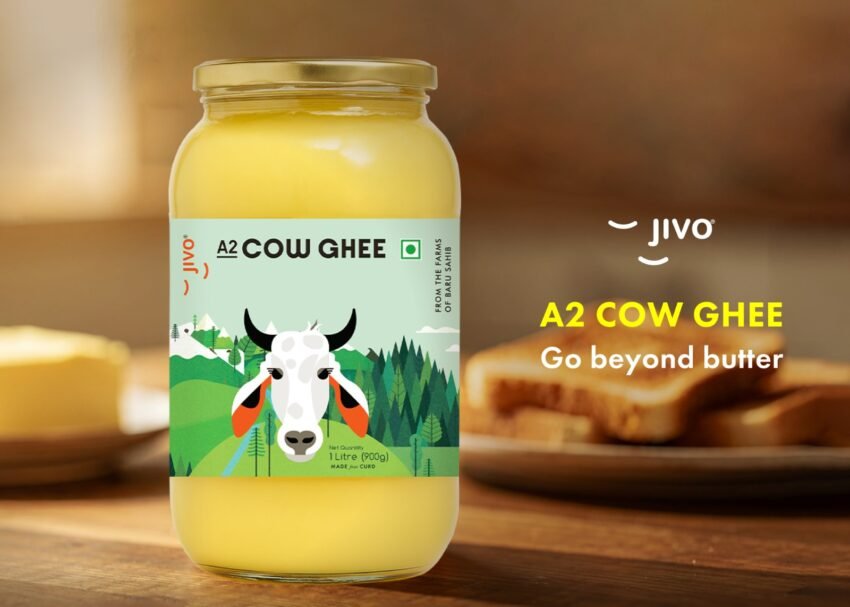
If you are looking for the best ghee in India that combines authentic taste with dependable quality, Jivo A2 Cow Ghee is a great choice. Made from A2 cow milk, it delivers the rich aroma and flavour that Indian families love while meeting the quality standards expected from a trusted brand. Whether you are preparing everyday meals or festive favourites, Jivo A2 Cow Ghee is suitable for a variety of recipes, adding its distinctive aroma and flavour to your cooking.
ALSO READ: What is A2 Beta-Casein Protein in A2 Cow Ghee? Benefits & Facts