
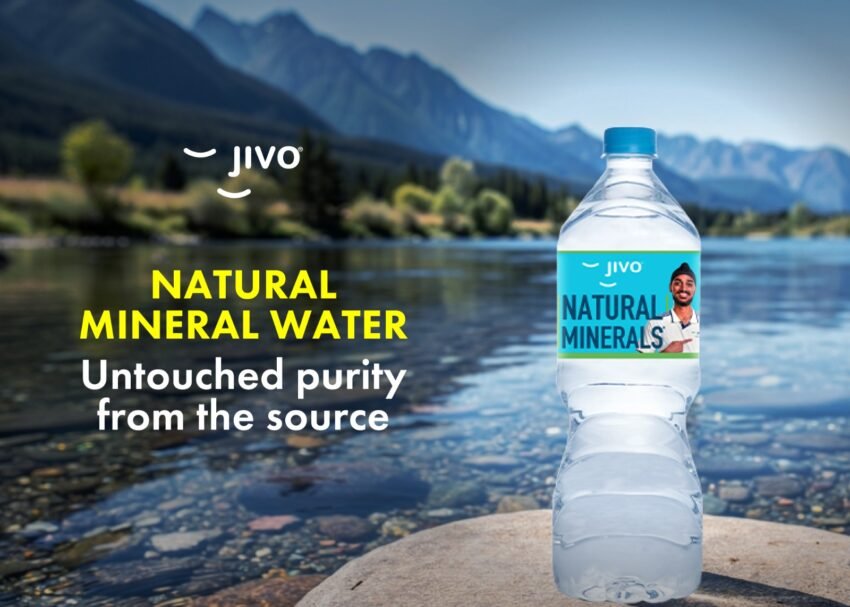
Confused about differentiating between the best natural mineral water and mineral water in India? It’s not just you, many people in India aren’t able to spot the difference. This information gap is huge because most of us don’t really care to read the label on packaged water bottles. Instead, we blindly trust brands that have invested more in marketing than in water quality.
When visiting a supermarket or store, people usually buy a bottle of drinking water simply by scanning the brand name. This is called a brand-led purchase, not a health-focused purchase. Hardly anyone checks the ingredient section or looks for minerals.
Water without minerals is just plain water. In packaged drinking water, minerals may either be naturally present or added later, both are completely different. Most mineral water brands contain added minerals, which is why it is important to check the label before buying.
The best natural mineral water in India contains minerals naturally picked up from underground rocks and is considered better for hydration. Mineral water bottles may also contain minerals, but in many cases, these minerals are artificially added rather than naturally occurring.
So, the best mineral water in India contains minerals that are naturally absorbed as water seeps through rocks and underground layers.
What Is Natural Mineral Water in India?
Water sourced from natural water sources is known as natural mineral water. The sources refer to protected underground water beds, springs and deep aquifers. These underground water holds unaltered, natural minerals absorbed while passing through layers of rocks and soil layers. Calcium, magnesium, and potassium are the essential minerals found naturally in the underground water beds. This type of water is known as the best mineral water containing natural minerals. It provides better taste and hydration due to the natural filtration process and the presence of balanced mineral composition.
Unlike regular packaged drinking water (mineral water), the best natural mineral water in India is sourced and bottled directly at or near the source with minimal processing. The purpose is to help preserve the water’s original properties, natural minerals, and taste.
According to FSSAI natural mineral water standards, this category of water must meet strict quality and safety requirements. The mineral composition should remain stable, and the source must stay protected from contamination and pollution. Only limited treatments, such as filtration to remove unstable elements like excess iron, are permitted. Any process that alters the natural composition or essential properties of the water is not allowed.
These regulations help ensure that natural mineral water retains its underground purity and naturally occurring minerals from source to bottle. This is why many people in India prefer natural mineral water for daily drinking, as it offers naturally sourced minerals and refreshing hydration straight from protected underground water beds and springs.
What Is Packaged Drinking Water (Commonly Called Mineral Water)? Key Differences Explained
Most bottles sold as “mineral water” in India actually fall under the packaged drinking water category. Unlike natural mineral water, this water can come from different sources such as borewells, municipal water supplies, or other approved sources. Before bottling, the water undergoes multiple purification processes to make it safe for drinking.
The treatment process commonly includes reverse osmosis (RO), UV purification, ozonation, and advanced filtration. In many cases, minerals are added later to improve taste and balance. While packaged drinking water is clean, safe, and widely available, its source and processing methods are very different from those of natural mineral water.
Natural mineral water contains naturally occurring minerals absorbed as water passes through underground rocks and protected water beds over time. Packaged drinking water, on the other hand, is heavily purified and may contain added minerals after treatment.
One of the biggest advantages of packaged drinking water in India is affordability and easy availability. It is commonly used for daily household consumption, travel, offices, and public spaces because it offers reliable hydration at an accessible price point.
The key difference between the best natural mineral water and packaged drinking water lies in the source and level of processing. Natural mineral water retains its original underground mineral composition with minimal treatment, whereas packaged drinking water focuses mainly on purification and safety through extensive processing methods.
Source Difference: Underground Aquifers vs. Treated Municipal/Borewell Water
The source of natural mineral water lies deep underground in protected aquifers and natural springs. These underground water sources remain naturally shielded from surface contamination and pollution. As the water slowly moves through layers of rocks and underground beds over many years, it naturally absorbs essential minerals, creating a stable and unique mineral composition.
This long geological journey gives natural mineral water its distinctive taste, balanced mineral profile, and natural purity.
In contrast, most packaged drinking water or regular “mineral water” in India usually comes from municipal water supplies, borewells, or other approved water sources. Since these sources may contain impurities, the water undergoes extensive purification and treatment processes before bottling.
The mineral water source in India can vary significantly based on region, groundwater availability, and local infrastructure. Treatments such as reverse osmosis (RO), UV purification, and ozonation help make the water safe for consumption, but they can also remove naturally occurring minerals. Manufacturers may later add minerals back to improve taste and quality.
This difference in sourcing plays a major role in mineral stability, taste, and the overall drinking experience. The best natural mineral water in India retains its naturally occurring underground character with minimal processing, while packaged drinking water focuses primarily on purification, consistency, and safety.
Treatment Process: No Chemical Disinfection in Natural Mineral Water
The natural mineral water treatment process involves minimal intervention to preserve the water’s original purity and mineral composition. Unlike heavily processed drinking water, natural mineral water is not allowed to undergo aggressive chemical disinfection or treatments that alter its essential mineral structure.
According to FSSAI natural mineral water standards, only limited physical treatments are permitted. These may include filtration or separation methods to remove unstable elements such as excess iron, sulphur, or manganese without changing the natural mineral balance of the water.
The comparison between RO water vs natural mineral water highlights a major difference in processing. Reverse osmosis (RO) purification removes most dissolved salts, minerals, and impurities from water. In many cases, manufacturers later add minerals back to improve taste and balance. Natural mineral water, however, naturally contains minerals acquired during its underground journey through rocks and aquifers, so extensive purification is not required.
This minimal-treatment approach helps preserve the water’s natural character, original mineral profile, and authentic taste. That is what makes the best natural mineral water different from heavily processed packaged drinking water options available in the market.
The Hidden Downsides of Chlorinated Water and Benefits of Natural Mineral Water
Mineral Composition: Naturally Occurring vs. Artificially Added Minerals
In natural mineral water, minerals come directly from the earth through a natural geological process. As water slowly flows through rocks and underground aquifers, it naturally absorbs essential minerals such as calcium, magnesium, potassium, bicarbonates, and sodium. These naturally occurring minerals remain stable and form part of the water’s original composition.
Calcium supports bone health, magnesium helps with muscle function and energy production, while bicarbonates may support digestion and maintain mild alkalinity. Together, these minerals contribute to the balanced taste and refreshing quality associated with natural mineral water.
In packaged drinking water, however, minerals are often added artificially after intensive purification processes like reverse osmosis (RO). Since RO treatment removes most naturally present minerals along with impurities, manufacturers may later reintroduce selected minerals to improve taste and overall composition.
The key difference lies in how the minerals are obtained. Natural mineral water contains minerals acquired naturally during the water’s underground journey, whereas packaged drinking water typically contains minerals added during manufacturing.
Understanding the difference between naturally occurring and artificially added minerals can help families make more informed choices when selecting the best drinking water for regular daily consumption.
Demineralized, Remineralized, or Natural Mineral Water: What’s Best for Hydration and Health?
TDS Levels & Mineral Content: Natural Mineral Water vs. Packaged Drinking Water
TDS (Total Dissolved Solids) levels help indicate the amount of dissolved minerals present in drinking water, including calcium, magnesium, potassium, bicarbonates, and other natural elements. These minerals play an important role in the taste, composition, and overall drinking experience of water.
Natural mineral water generally contains moderate levels of naturally occurring dissolved minerals acquired during its underground journey through rocks and aquifers. According to FSSAI natural mineral water standards, the TDS (Total Dissolved Solids) level for natural spring water should not exceed 750 mg/litre.
Because natural mineral water flows through protected underground layers over many years, it develops a stable mineral composition and a naturally balanced taste without extensive processing.
Packaged drinking water, however, usually undergoes purification methods such as reverse osmosis (RO), UV treatment, and ozonation before bottling. These purification processes can significantly reduce TDS levels by removing dissolved minerals and impurities. To improve taste and quality, manufacturers may later add selected minerals back into the water during remineralization.
The difference in TDS and mineral composition also affects the overall taste and hydration experience. Water with balanced natural minerals often offers a smoother taste and naturally occurring electrolytes, which many people prefer for everyday drinking, especially in hot climates like India where the body loses water and minerals through sweating.
Understanding TDS levels and mineral content can help consumers make more informed choices between natural mineral water and packaged drinking water based on their hydration preferences and daily needs.
FSSAI Regulations: Natural Mineral Water vs. for Packaged Drinking Water
FSSAI mineral water regulations create separate categories for natural mineral water and packaged drinking water to ensure consumer safety, transparency, and quality standards.
In India, natural mineral water is regulated under IS 13428, which focuses on protected underground sources, stable mineral composition, and minimal treatment. The standards require the water to maintain its natural mineral profile and original characteristics from source to bottle. Only limited physical treatments, such as filtration to remove unstable elements, are permitted without altering the essential composition of the water.
Packaged drinking water, on the other hand, falls under IS 14543. This category allows water to be sourced from municipal supplies, borewells, or other approved sources, followed by extensive purification processes such as reverse osmosis (RO), UV treatment, ozonation, and filtration to make the water safe for consumption.
The comparison between IS 13428 vs IS 14543 mainly highlights the difference in source and treatment process. Natural mineral water focuses on preserving naturally occurring minerals and underground purity, whereas packaged drinking water emphasizes purification, safety, and consistency through processing.
According to FSSAI natural mineral water and packaged drinking water standards, both categories must comply with strict safety and quality requirements before reaching consumers.
These regulations help consumers clearly understand the difference between the best natural mineral water and packaged drinking water, making it easier to choose the right option based on source, mineral content, and processing methods.
Health Benefits: Bioavailable Calcium & Magnesium in Natural Mineral Water
The health benefits of natural mineral water come from naturally occurring minerals that are present in bioavailable forms, making them easier for the body to absorb and utilize. As water passes through underground rocks and protected aquifers, it naturally collects essential minerals such as calcium and magnesium.
Calcium plays an important role in supporting bone strength and dental health, while magnesium contributes to muscle function, nerve support, and energy production. These naturally dissolved minerals also help maintain proper hydration and electrolyte balance in the body.
In India’s hot climate, where the body loses water and electrolytes through sweating, many people look for the best natural mineral water in India to support daily hydration with naturally sourced minerals. This makes natural mineral water a preferred choice during summers, travel, workouts, and active lifestyles.
Unlike heavily processed packaged drinking water, natural mineral water retains its original mineral composition without the need for artificial mineral addition after purification. This natural balance contributes to both taste and hydration quality.
While both packaged drinking water and natural mineral water help meet daily hydration needs, the presence of naturally sourced calcium, magnesium, and other trace minerals gives natural mineral water an added nutritional advantage when combined with a healthy and balanced diet. This is one reason why health-conscious consumers often consider natural mineral water among the best mineral water in India for regular consumption.
Does Natural Mineral Water Support Better Wellness? Fact-Checked Answers
Taste Difference: Distinct Natural Mineral Taste vs. Neutral Treated Water
The taste of natural mineral water feels crisp, refreshing, and slightly vibrant because of its naturally balanced calcium, magnesium, and bicarbonate content. Many people enjoy its subtle mineral-rich character, which gives the water a fresh and naturally smooth drinking experience.
In India, consumers searching for the best natural mineral water in India often prefer this naturally occurring taste profile for direct drinking, premium dining, and daily hydration. The underground mineral composition gives each source a distinct identity and mouthfeel.
Packaged drinking water, however, usually offers a more neutral and consistent taste because of extensive purification processes such as RO and UV treatment. This clean flavor makes it suitable for cooking, tea, coffee, and mixing with other beverages where a lighter taste is preferred.
The preference for the best mineral water in India ultimately depends on personal taste, usage, and lifestyle needs. Natural mineral water is often chosen for its refreshing mineral taste, while treated packaged drinking water remains a practical option for routine household consumption.
Price Comparison: Why Natural Mineral Water Costs More in India
Natural mineral water price in India is usually higher because of its protected underground sources, limited processing methods, and strict quality control requirements. Maintaining the purity of natural springs and aquifers involves careful monitoring, source protection, and bottling directly at or near the source, all of which increase production costs.
Many consumers looking for the best natural mineral water in India are willing to pay more for water that retains its naturally occurring minerals and original underground composition. The additional cost also reflects the effort required to preserve the natural quality and stability of the water without heavy processing.
In comparison, packaged drinking water is generally more affordable because manufacturers can source water from municipal supplies, borewells, or other approved sources and purify it efficiently on a large scale using technologies such as RO, UV treatment, and ozonation.
The difference in pricing largely comes down to sourcing, treatment methods, and production standards. While natural mineral water is often preferred for its natural mineral profile and premium quality, packaged drinking water remains a practical and budget-friendly option for everyday household use. This is why many families balance both options depending on their lifestyle, hydration preferences, and budget needs when choosing the best mineral water in India.
Common Confusion: Why People Mistake Packaged Drinking Water (Mineral Water) for Natural Mineral Water
Mineral water confusion in India is quite common because many packaged drinking water brands are casually marketed as “mineral water.” Similar bottle designs, branding, and advertising often make it difficult for consumers to understand the actual difference between packaged drinking water and natural mineral water.
This confusion becomes more common when labels do not clearly mention the water category, source, mineral composition, or applicable standards such as IS 13428 and IS 14543. As a result, many people assume that every bottle labeled as mineral water comes from protected underground springs or aquifers with naturally occurring minerals.
In reality, most bottled water sold in the market belongs to the packaged drinking water category and undergoes extensive purification before bottling. Natural mineral water, however, comes from protected underground sources and retains its naturally present minerals with minimal treatment.
Consumers searching for the best natural mineral water in India often overlook these differences because the packaging and terminology used in the market can appear very similar. Understanding the source, treatment process, and mineral composition can help buyers make better choices when selecting the best mineral water in India for daily hydration and family consumption.
Carbonated Water vs Natural Mineral Water: Are They the Same?
How to Identify Real Natural Mineral Water on the Label
Knowing how to identify natural mineral water starts with carefully reading the bottle label instead of relying only on the brand name or packaging. Genuine natural mineral water bottles clearly mention the term “Natural Mineral Water” along with the IS 13428 certification standard.
The label should also include details about the water source, such as the spring, aquifer, or underground origin from where the water is collected. Many premium brands additionally provide a mineral analysis showing naturally occurring minerals like calcium, magnesium, bicarbonates, and potassium.
A proper mineral water label in India must also display the FSSAI license number, manufacturer details, batch information, and the correct water category. These details help consumers differentiate between natural mineral water and regular packaged drinking water.
Consumers searching for the best natural mineral water in India should also look for labels that focus on source protection and natural mineral composition rather than heavy purification claims such as “RO processed” or “multi-stage purified.” Natural mineral water typically undergoes minimal treatment to preserve its original mineral balance.
These simple label checks can help buyers avoid confusion and make more informed decisions while choosing the best mineral water in India for daily drinking and hydration needs.
What Is Demineralised Water? Unpacking the Basics and Hidden Risks
Conclusion
For many people, natural mineral water and packaged drinking water may look identical, but they are not. Their source, treatment process, and mineral composition are completely different. Naturally occurring minerals are only found in water sourced from protected underground water beds, springs, and aquifers. Water collected from these sources, then minimally filtered and bottled, is what we know as the best natural mineral water in India.
Not all bottled water brands in India offer genuine natural mineral water. Only a few brands, such as Jivo Wellness, focus on sourcing water from protected underground water beds naturally enriched with essential minerals for refreshing everyday hydration. Jivo natural mineral water has a balanced mineral composition and minimal processing make it a preferred choice for consumers searching for the best mineral water in India with natural minerals.
Why Arshdeep Singh Chooses “JIVO Wala Pani”: A Deep Dive into Natural Mineral Water for Athletes