
Indians are chasing purity in their drinking water, but there is one thing we often ignore, what happens to the minerals during purification?
Purification is important because it removes unwanted and harmful substances from water. But depending on the process used, it can also remove some of the minerals present in the water. Adding minerals back later can increase the mineral content, but it may not give the water the same mineral balance as its original source.
This is where natural mineral water is different. It comes from a protected underground source and contains minerals from that source. So, when you are looking for the best natural mineral water, it is worth looking beyond just the word “pure”. Where the water comes from and what it contains also matter.
Now, there is another interesting addition to this category: Vitamin D.
Natural mineral water with Vitamin D brings together the minerals found in the water with a nutrient that many Indians may not get enough of. And that is worth talking about because Vitamin D deficiency is common in India, even though we get plenty of sunshine.
Our daily lives have changed. Many of us spend long hours indoors, work inside offices, and get much less sunlight than we think. This has made Vitamin D an important part of the nutrition conversation.
The idea behind Vitamin D-fortified natural mineral water is simple: if we already drink water every day, why not make it a convenient way to include Vitamin D in our daily routine?
Why This Category Is Suddenly Everywhere
Curiosity has taken the front seat now, thanks to growing awareness. Before buying or using a product, people want to know what is in it and whether it is actually worth choosing. Even a packaged drinking water bottle is often flipped front and back to check its source, contents and other details. The best natural mineral water in India is no exception.
Water brands have been experimenting with added electrolytes, minerals and vitamins for some time. But one category has recently started getting attention in the drinking water segment: Vitamin D-fortified natural mineral water.
The reason this category is picking up pace in India has a lot to do with the way we live today. Many of us spend most of our day indoors, in offices, cars and homes. Even when the sun is out, we may not get enough direct sunlight during the day.
Sunlight is one of the main ways our bodies get Vitamin D. So, when a product brings together something we already drink every day with a nutrient that many Indians may not be getting enough of, it is bound to make people curious.
The Vitamin D Problem Nobody Talks About Enough
Here is something that surprises a lot of people. India gets plenty of sunshine through the year, yet Vitamin D deficiency is shockingly common across the country. A review published in the Journal of Family Medicine and Primary Care looked at multiple Indian studies and found that deficiency prevalence ranged from 40 to 99%, with most studies reporting a prevalence between 80 and 90%, and this held true across every age group and high risk group. That is not a small statistic. That is most of the country.
A separate multicentre study on Indian children and adolescents published in Scientific Reports pointed out something that explains a lot about our modern routines. Even though India receives adequate ultraviolet B radiation through the year, deficiency remains widespread because of limited sun exposure, dietary gaps, skin pigmentation, pollution blocking UV rays, and other lifestyle factors. In simple words, we have the sunlight, we just are not using it the way our bodies need us to.
A more recent Delhi NCR based study published on PubMed looked closely at the difference between city dwellers and people living in rural areas. It found that severe deficiency, deficiency, and insufficiency in urban parts of the Delhi NCR region stood at 71%, 27%, and 2% respectively, while rural areas showed a noticeably different pattern of 20%, 47%, and 25%. Urban India, with its glass office buildings and long commutes, seems to be losing this particular battle faster than rural India.
The good news, if you can call it that, is things are moving in the right direction, slowly. A national assessment based on Metropolis Healthcare data covering figures up to 2023 and 2024 found that deficiency levels across the country declined from around 51% in 2019 and 2020 to about 43% in 2023 and 2024. Progress, yes, but the numbers still tell us there is a long way to go, and urbanisation along with reduced sun exposure and poor dietary habits continue to be the main reasons behind this gap.
What Vitamin D Actually Does for The Body
Before we go further, it helps to understand why this particular nutrient gets so much attention from doctors and researchers. According to the Office of Dietary Supplements at the National Institutes of Health, Vitamin D helps the body absorb calcium, which is one of the main building blocks needed for strong bones, and together with calcium it plays a role in protecting against osteoporosis, a condition that weakens bones over time. That single function alone explains why doctors keep bringing it up during regular checkups.
It is worth remembering that Vitamin D is not something we can easily get through food alone. Most natural diets, especially vegetarian ones common across India, do not offer enough of it. Sunlight remains the most efficient natural source, but as we have already seen, most urban Indians simply are not getting enough exposure. This is exactly the gap that has pushed the food and beverage industry to think about fortification, whether that is through milk, cereals, or now, water.
What Natural Mineral Water Really Means
Before jumping into the fortification angle, it helps to understand what natural mineral water actually is, because the term gets thrown around loosely in marketing. Under Indian food safety regulations, natural mineral water refers to water drawn from protected underground sources that naturally contain minerals, and it must be bottled at the source without altering its original mineral composition. This is very different from regular packaged mineral water, which is often treated or processed drinking water that has minerals added back into it after purification.
That distinction matters more than most consumers realise. When someone searches for the best natural mineral water in India, they are usually looking for something that has not been stripped down and rebuilt in a factory. They want water that carries its minerals naturally, the way it came out of the ground, rather than water that has been engineered to taste a certain way. This is also why natural mineral water tends to sit at a slightly premium price point compared to standard packaged mineral water, since the sourcing and bottling process is far more regulated and specific.
ALSO READ: RO Water vs. Natural Mineral Water
Where Vitamin D Fits into The Water Category
So how does Vitamin D end up in mineral water in the first place. The idea is fairly straightforward once you break it down. Since water is something almost everyone drinks daily, regardless of diet, age, or lifestyle, it becomes a practical carrier for nutrients that are otherwise hard to consume consistently. Unlike a supplement pill that many people forget to take, or a fortified food that not everyone eats regularly, water is universal.
This is why the idea of natural mineral water with Vitamin D has caught the attention of health-conscious Indians. It does not ask people to change their habits. It simply adds value to something they were already going to drink anyway. For a country dealing with such widespread Vitamin D gaps, especially in cities, this kind of quiet, everyday solution feels far more realistic than expecting millions of people to suddenly start taking supplements or spending twenty minutes in the sun every afternoon.
How This Compares to Regular Packaged Mineral Water
If you line up a bottle of regular packaged mineral water next to a bottle of natural mineral water with Vitamin D, the difference is not just about what is written on the label. Packaged mineral water focuses on one job, giving you clean, safe water to drink. That is a fair and important job, but it stops there. Natural mineral water with Vitamin D goes a step further by trying to address a nutritional gap that most Indians are dealing with anyway.
This does not mean regular packaged mineral water is inferior or unsafe. Both categories serve genuine purposes and both are regulated under FSSAI norms. The difference is really about what each product is trying to solve. One solves thirst. The other tries to solve thirst and a nutrient gap at the same time, which is a fairly clever use of something we already consume multiple times a day.
ALSO READ: Impact of Demineralised Water on Digestion and Gut Health
Why This Trend Deserves Attention, Not Just Curiosity
It is easy to dismiss new product categories as marketing gimmicks, and to be fair, plenty of fortified products in the past have been exactly that. But Vitamin D fortified water is backed by something harder to dismiss, decades of research showing just how widespread deficiency is across India, combined with a lifestyle shift that shows no signs of reversing anytime soon. Indians are not going back to spending hours outdoors under the sun. Cities are not getting less polluted overnight.
Given all that, a product category that quietly slips a helpful nutrient into daily water consumption feels less like a gimmick and more like a practical response to a real problem. Whether or not every brand executes it well is a different conversation, but the category itself makes sense.
Conclusion
As awareness around Vitamin D deficiency grows, and as more studies keep confirming just how common the problem is across every state and every age group, it is likely that more brands will enter this space. Consumers are also becoming sharper about reading labels, checking sourcing details, and asking questions before choosing between the best natural mineral water in India and a regular packaged mineral water bottle. That kind of awareness is good news for everyone, because it pushes brands to be more transparent about what they are actually offering.
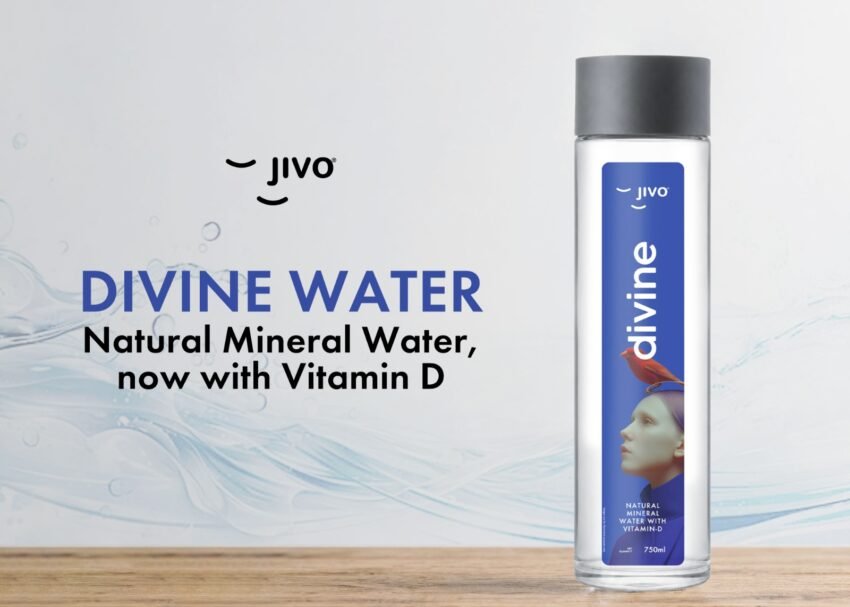
Jivo Wellness has been closely following this shift, and is preparing to launch Jivo Divine, a natural mineral water with Vitamin D, designed for exactly this kind of consumer, someone who wants their everyday water to carry a little more value without complicating their routine. As the launch approaches, it will be worth watching how this category grows and how Indian households respond to water that finally does a bit more than just quench thirst.
Vitamin D deficiency is not going away on its own, and neither is our indoor, screen heavy lifestyle. But small, thoughtful changes to what we drink every single day might just be one of the easier ways to chip away at a problem that has quietly affected most of the country for years.