
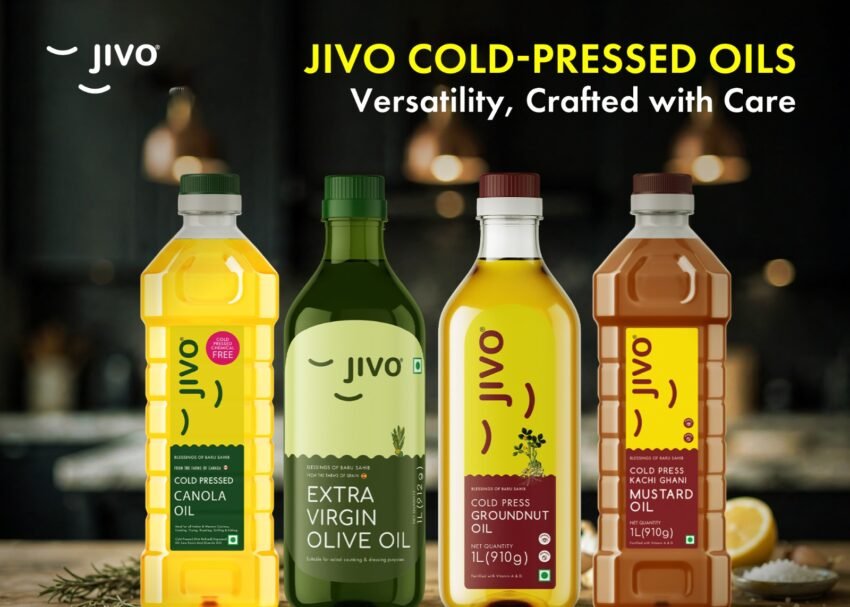
The Indian kitchen is changing, and the way people choose cooking oils is changing with it. According to a market report by IMARC Group, the cold pressed oil market in India was valued at INR 755.16 million in 2025 and is expected to grow in the coming years. A separate study estimates that Indians consumed more than 12.56 million litres of cold pressed oil in 2023, with consumption expected to reach nearly 16.82 million litres by 2030.
These figures point to a clear shift. Cold pressed oils are no longer limited to a small group of health-conscious consumers in big cities. More Indian households are exploring different cooking oils and looking for options that fit better into their everyday meals.
But this brings up an important question: Can you really cook everything with cold pressed oil? Can you use it to fry pakoras, prepare a tadka for dal, sauté vegetables, or even bake a cake? Or are cold pressed oils better suited to salads and light cooking?
Let’s look at how these oils work in everyday Indian cooking, without getting into complicated terms, so you can choose what works best for your kitchen.
What Exactly Is Cold Pressed Oil?
Before proceeding further with cooking, it is important to understand what separates cold pressed oil from regular refined oil.
Cold-pressing is quite different and is considered a natural process. It involves crushing plant seeds using a mechanical press or wooden ghani, applying minimal heat, normally below 50 degrees Celsius.
As per the Food Safety and Standards Authority of India (FSSAI), an oil can only be labelled Kachi Ghani or Cold Pressed if it meets specific compositional standards laid down under food product regulations. As compared to refining, cold-pressed extraction completely phases out solvent extraction and multiple-stage heating. This ensures the oil retains more natural nutrients and holds on to its original aroma and taste. This purity is not present in refined oils, as refining also involves bleaching and deodorising, which strips away much of their nutritional goodness.
This is the reason why many health experts are advocating cold-pressed oils and terming them healthy oils for everyday cooking. The only challenge is that consumers need to have enough knowledge to identify and choose the best cold-pressed oils in India.
Why Indian Households Are Switching to Healthy Oils
Without oil, Indian cooking is incomplete.
Whether it is dal tempering, deep-frying pooris, or drizzling over salads, oil is used in almost every meal preparation. It makes complete sense why health-conscious cooks and home chefs are keeping a close watch on minimally processed cooking oils.
Regionally, this shift looks a little different across India. Reports on the India cold pressed oil market show that North India has a strong demand for these oils. This is largely linked to the long-standing use of mustard oil in states like Punjab, Haryana, and Uttar Pradesh, where traditional cooking is still a big part of everyday meals.
Several reasons are encouraging Indian families to choose the best cooking oils in India that are cold pressed instead of refined oils.
First, there is more awareness about heart health. Many people are now paying closer attention to the type of oil they use for cooking. Reusing oil for frying is also a concern, as repeated heating can lead to the formation of unwanted compounds. Using cooking oil sensibly and in moderation is therefore an important part of a balanced diet.
Second, people are looking for oils that retain more of their natural nutrients and other useful compounds. Since cold pressed oils go through less processing, they can retain compounds such as vitamin E and polyphenols, depending on the type of oil and how it is processed.
Third, taste also matters. Cold pressed oils can have a more noticeable aroma and flavour compared with refined oils. A tadka made with cold pressed mustard oil or a salad dressed with cold pressed groundnut oil can add a distinct flavour to the dish.
Together, these reasons help explain why the demand for the best cold pressed oils in India has been growing in recent years. This interest is especially noticeable among urban and semi-urban households that are becoming more careful about the ingredients they use in their everyday cooking.
ALSO READ: What are Total Polar Compounds (TPC) in Cooking Oils?
Can You Cook Everything in Cold Pressed Oil?
Now comes the question most people have: can you use cold pressed oil for all the cooking you do in an Indian kitchen?
The simple answer is yes, but you need to choose the oil according to how you plan to use it. Different oils react differently to heat, so it helps to know their smoke points before you start cooking.
Everyday Cooking and Tempering
For everyday dishes such as sabzi, dal, curries, and sautéed vegetables, cold pressed oils can be a good choice. They also bring their own taste and aroma to the food, which can work especially well in dishes where the flavour of the oil is noticeable.
Deep Frying
Deep frying is where people often have doubts about cold pressed oils. You may have heard that they are not suitable for high-heat cooking because they have a low smoke point. But this is not true for every cold pressed oil.
The smoke point varies from one oil to another. For example, cold pressed groundnut oil has a relatively high smoke point and can be used for frying foods.
Salad Dressings and Raw Use
Some oils are better suited to low-heat or raw use. Extra virgin olive oil, for example, can be drizzled over salads and pasta. You can also use it in lighter cooking. If you are using it for cooking, avoid keeping it on very high heat for a long time.
Baking
Cold pressed oils can also be used in baking. A neutral-flavoured oil can work well in cakes and muffins, helping keep them moist without adding a strong oil flavour. For some recipes, it can be used in place of butter or refined oil.
So, you do not necessarily have to avoid cold pressed oils for certain types of cooking. The important thing is to choose an oil that suits the recipe and the amount of heat involved. Once you know which oil works best for which type of cooking, using cold pressed oils becomes much easier.
Versatile Cold Pressed Oils Every Indian Kitchen Should Know
Let us look at some cold pressed oils and how they can be used in everyday Indian cooking.
Cold-Pressed Mustard Oil
No list of the best cold pressed oils in India is complete without mustard oil. It has been used in North and East Indian kitchens for generations. Its strong aroma and pungent flavour can add a distinct taste to simple dishes like dal and sabzi.
Mustard oil also has a relatively high smoke point, making it suitable for cooking at higher temperatures, including frying fish and preparing pickles and curries. In many homes across Punjab, Bengal, and Uttar Pradesh, it is a regular cooking oil that has been part of traditional kitchens for years.
Cold-Pressed Groundnut Oil
Groundnut oil is another popular choice among the best cold pressed oils in India, especially in Western and Southern states where it has been used for generations. It has a relatively high smoke point, making it suitable for deep frying, stir-frying, and everyday tempering. It also has a mild, nutty aroma that goes well with Indian dishes such as sabzis, dals, and snacks.
Cold-Pressed Canola Oil
Canola oil has become a popular choice in many health-conscious Indian households. It has a balanced fat profile and a light texture, making it suitable for different types of cooking, including sautéing, baking, and light frying. Its mild taste also works well with Indian spices without overpowering the flavours of the dish, making it a practical option for everyday cooking. When consumed in moderation as part of a balanced diet, canola oil may support the maintenance of normal cholesterol levels. Consult a health expert for personalised dietary advice.
Cold-Pressed Extra Virgin Olive Oil
Extra virgin olive oil is often linked with Mediterranean cooking, but it is also becoming more common in Indian kitchens. It works well for salad dressings, light sautéing, and drizzling over cooked dishes before serving. Some people also use EVOO to prepare Indian breakfast dishes such as upma and poha. Using the right amount of oil can add flavour without making these dishes feel too oily.
Together, these oils show that choosing cold pressed does not mean having limited options. Once you know how each oil works, you can use different cold pressed oils for most everyday cooking, whether you are frying, making a salad dressing, or baking.
ALSO READ: Blending the Best Cold-Pressed Oils: Canola and Extra Virgin Olive Oil
Common Myths About Cold Pressed Oils
There are a few common myths about cold pressed oils that can make it difficult for first-time buyers to decide which one to choose.
One common belief is that cold pressed oils are always expensive and should only be used occasionally. But that is not necessarily the case. The amount of oil you use matters, and choosing the right oil for your regular cooking can help it fit into your monthly grocery budget.
Another belief is that all cold pressed oils have a strong smell and are difficult to use in everyday Indian cooking. Mustard oil does have a strong, pungent aroma, which may take some time to get used to. Groundnut and canola oils, on the other hand, have a milder taste and aroma and can work well in everyday dishes.
A third myth is that cold pressed oils cannot be used for high-heat cooking. This is not true for every oil. The smoke point varies from one oil to another, so it is important to choose an oil that is suitable for the type of cooking you are doing. Some cold pressed oils can be used for Indian-style frying as well.
How to Choose the Best Cold Pressed Oils in India
With so many options available today, picking the right oil can feel overwhelming. A helpful guide on reading edible oil labels in India points out a few practical checks that make this process much simpler.
Always check the extraction method mentioned on the label. Genuine cold pressed oils will clearly state that they are extracted without applying heat above a certain threshold, and will carry a valid FSSAI licence number.
Look at the colour and clarity of the oil. Cold pressed oils often have a slightly cloudy or richer colour compared to the crystal clear appearance of refined oils.
Smell the oil before buying if possible. A natural, earthy aroma that matches the source seed, such as mustard oil smelling distinctly of mustard, is usually a good sign of authentic cold pressing.
Buy in smaller quantities initially, especially if you are trying a new oil for the first time, so you can test how it works in your kitchen before going for larger pack.
Following these small steps will help you consistently pick from the best cooking oils in India without getting misled by overstated marketing claims.
How to Switch to Cold Pressed Oils
If you are new to cold pressed oils, there is no need to replace all your cooking oils at once. Start with one. You could use a cold pressed oil for everyday cooking and another for salads or lighter dishes. Once you get used to the taste and aroma, you can decide which oils work best for the dishes you make regularly.
Many Indian families keep two or three types of oil at home and use them for different dishes. This gives you more choice when cooking and also lets you enjoy the different tastes and aromas that each oil brings to a meal. Refined oils usually have a more neutral taste, while cold pressed oils can add their own flavour to the food.
Conclusion
So, can you really cook everything in cold pressed oil? Yes, but it is important to choose the right oil for the type of cooking you are doing. From everyday tadka and cooking to deep frying, salad dressings, and baking, different cold pressed oils can have a place in an Indian kitchen. The main thing is to understand how each oil works and use it accordingly.
If you are planning to switch to cold pressed oils, Jivo has options for different cooking needs, including mustard, groundnut, canola, and extra virgin olive oil. You can choose the oil based on the dish you are preparing and the type of cooking involved, and gradually find what works best for your kitchen.
You may also try cooking oils free of cholesterol and trans fats, available to order online from Zepto and Blinkit for quicker delivery: Jivo EVOO and Extra Light Olive Oil.